

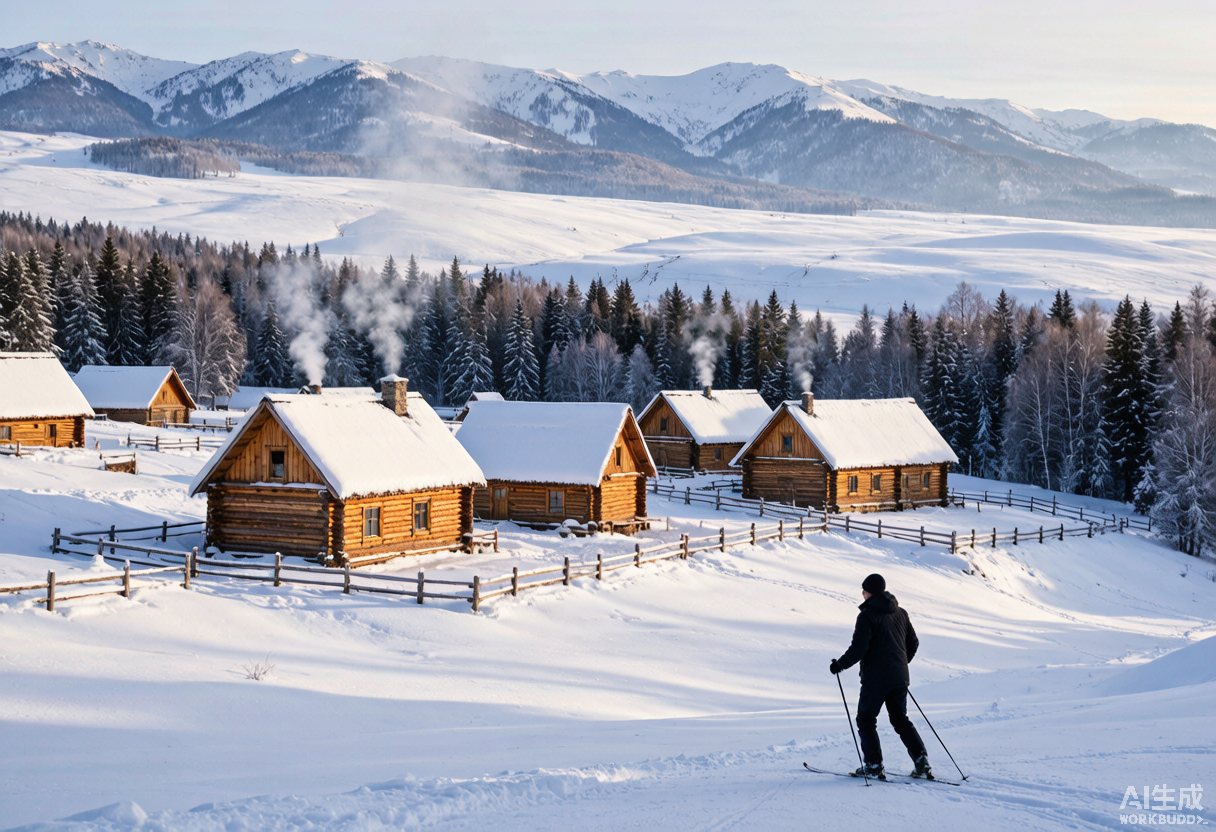
For experienced skiers, the groomed runs are only half the story. Xinjiang backcountry skiing opens up Xinjiang’s vast, untracked wilderness — deep snowfields, silent pine forests, and mountain passes that see fewer footprints in a season than a European resort sees in a single morning. But the backcountry demands respect. This guide covers the gear, training, and ethics you need before leaving the marked trails, so the freedom stays worth having.
What “Backcountry” Means Here
Backcountry, also called off-piste, means leaving the resort boundary to ride natural, unpatrolled terrain. Unlike the controlled slopes described in our Xinjiang skiing guide, there are no groomers, no avalanche control, and no ski patrol coming to find you. The freedom is real, and so is the risk. Every decision — where to turn, when to stop, which slope to avoid — rests entirely with your group.
Xinjiang is unusually appealing for this style of skiing because its north, especially the Altay range, receives some of the driest, lightest snow on earth. That same snow, however, is what builds the unstable layers that kill unprepared riders. Understanding that trade-off is the first lesson.
Essential Safety Gear
Never enter the backcountry without the three non-negotiables: an avalanche transceiver, a probe, and a shovel. These let your partners find and dig you out — or you them. Beyond those core items, assemble the rest of a responsible kit:
- Airbag pack: Can keep you near the surface in a slide by increasing your volume.
- Helmet and goggles: Standard on-piste, but vital off-piste where rocks hide under snow.
- Communication: A satellite messenger, since phone signal vanishes within minutes of leaving the resort.
- Layers: Xinjiang’s backcountry temperatures swing hard; pack more than you think you need.
- Repair kit: A ski tip, binding, or pole will fail eventually; carry spares and tape.
- Navigation: A downloaded offline map and compass, because GPS alone can die in cold.
Know the Terrain and the Snow
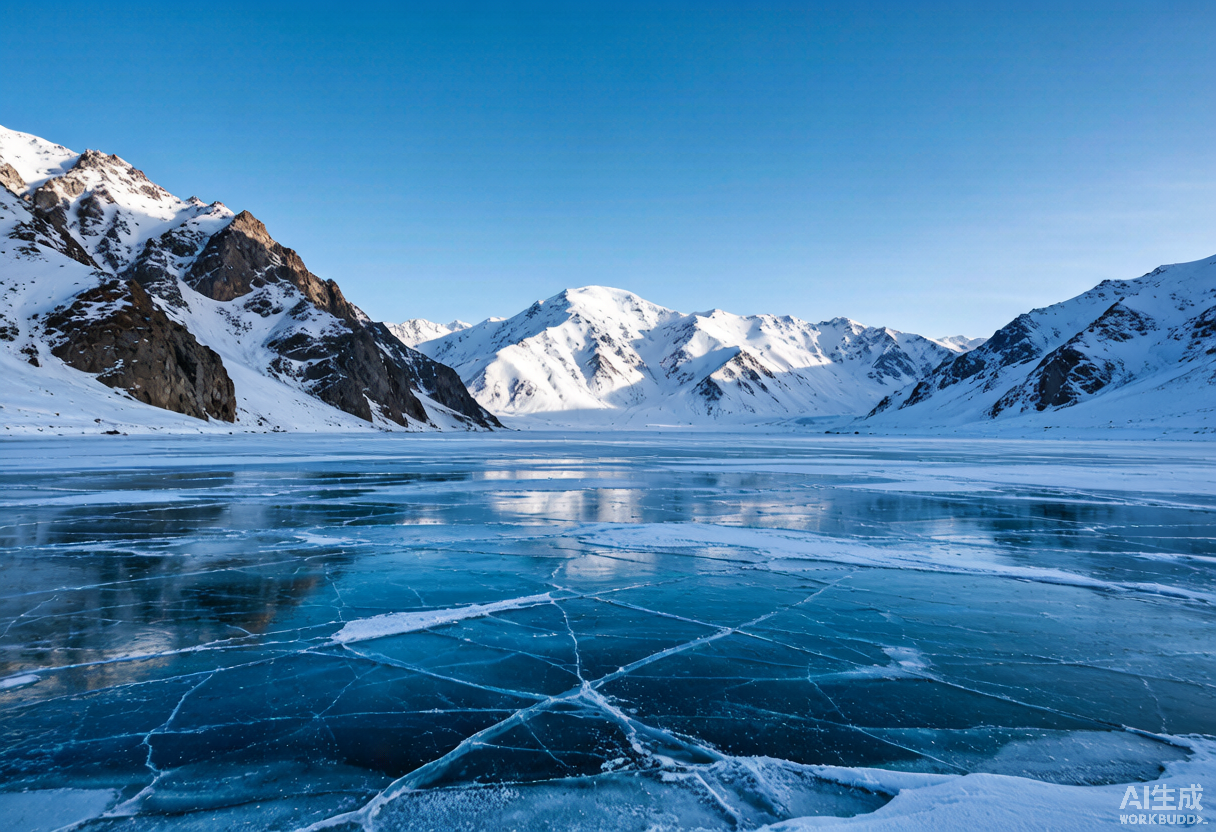
Xinjiang’s north receives legendary snow, but it settles into layered snowpack that demands reading. Before any trip, check local avalanche bulletins and learn to recognize slope angles, wind-loaded lips, and cornices. Our best time to ski Xinjiang guide explains how the seasonal snowpack changes the safety picture month to month, which directly affects where backcountry travel is sane.
A simple rule keeps many riders alive: avoid slopes steeper than about 30 degrees after a heavy storm, and never travel below a cornice or a known avalanche path. Terrain traps — gullies and flat creek beds — are where slides accumulate, so route around them even when the top looks inviting.
Training Before You Go
If your backcountry experience is limited, take a certified avalanche course before booking anything. Several international-standard providers run short programs in the region during peak season. The skills you must have are not optional:
- Companion rescue with transceiver, probe, and shovel, practiced until it is fast and calm.
- Route-finding and safe-group travel protocols, including spacing and communication.
- Reading terrain for wind-loaded slopes, buried weak layers, and overhanging cornices.
- Basic first aid for cold injuries, plus how to keep a buried victim alive while waiting.
Practice these at home, not on day one of your trip. Muscle memory under panic is the difference between a story and a tragedy.
Choosing Where to Start
Begin with guided access rather than solo missions. The resorts profiled in our Xinjiang ski resorts overview often run cat-skiing or guided off-piste days with local experts who know the snow. Jiangjunshan and the surrounding Altay ranges are popular launching points for guided backcountry tours that stay within sensible risk.
A good guide does more than show the line — they read the conditions hour by hour, know which aspects have sun-crusted safely, and abort the plan without ego when the mountain says no. Borrow that judgment before trusting your own.
Guided vs. Solo: A Honest Trade-off
Solo backcountry is the purest form of the sport, and also the most unforgiving. Save it for when you have a logged season of guided days, a reliable partner, and a region you know intimately. Even then, tell someone your exact route and return time, and carry the satellite messenger. The ego that says “I’ve got this” is exactly the voice that gets people lost.
Ethics and Leave-No-Trace
Xinjiang’s mountains are shared with herders, wildlife, and sacred sites. Respect closed areas, pack out all waste including organic litter, and ask before crossing private or pastoral land. The broader picture of responsible travel is covered in our China skiing guide, but the rule is simple: leave the mountain better than you found it, and the next skier — local or visitor — inherits something worth protecting.
What to Do in an Emergency
If something goes wrong, the first thirty minutes decide outcomes. Signal your messenger, start companion search immediately if anyone is missing, and begin shoveling the moment a transceiver beeps. Keep the group calm and warm; hypothermia sets in fast on a stopped skier. Know the nearest evacuation point before you climb, not after.
Physical Fitness and Pre-Trip Preparation
Backcountry skiing is far more demanding than resort riding. You will climb with skins, wade through breakable crust, and manage heavy gear at altitude where the air holds less oxygen. Build a base of cardiovascular fitness before you fly: trail running, cycling, and stair climbing with a pack all translate directly. Add single-leg strength work for knees that absorb variable snow, and core training for the rotations of deep turns.
In the weeks before departure, simulate the demands where you can. A few sessions on skin-track ascents or even hiking with your full kit builds the specific muscles and, just as importantly, reveals gear problems at home rather than on a frozen ridge. Get your bindings mounted and tested early, break in your boots, and confirm your transceiver batteries hold a charge in the cold.
Weather, Wind, and Whiteout Survival
Xinjiang’s interior climate can flip from bluebird to whiteout in under an hour. Wind builds the cornices that kill; flat light hides the terrain that breaks legs. Carry a bivy sack and an extra warm layer even on short tours, and set a hard turnaround time before you start — not after you are tired and reluctant to quit. If visibility fails, stop, group up, and navigate by compass bearing rather than instinct, which is notoriously wrong in a storm.
Frequently Asked Questions
Do I need a guide for backcountry skiing in Xinjiang?
Strongly recommended for first visits. Local guides know snow conditions, permitted zones, and emergency exits, and they dramatically reduce the odds of a preventable accident during your early trips.
Is backcountry skiing safe for intermediates?
Not as a first step. Build strong resort skills, take an avalanche course, and log several guided days before considering solo or untracked terrain of any real consequence.
When is the best snow for off-piste?
January through early March typically offers the deepest, most stable base, but always verify current avalanche conditions rather than relying on the calendar alone, since storms vary yearly.
Can I rent avalanche gear locally?
Some outfitters near major resorts rent transceivers, probes, and shovels, but availability is limited and quality varies. Bringing your own is the safer bet for a dedicated backcountry trip.
Will my travel insurance cover backcountry skiing?
Often not by default. Check your policy for “off-piste” or “winter sports” clauses, confirm helicopter evacuation is included, and consider specialized cover before you fly.