

Most visitors obsess over snowfall and slope maps, but the small comforts decide whether a trip feels effortless or exhausting. Understanding the Xinjiang ski resorts you are considering — and what each one offers at the base — saves you time, money, and cold fingers fumbling for gloves. This guide walks through the facilities you will actually use, from the moment you arrive to the moment you ski out the gate. We cover lockers, rental desks, food, tickets, safety, and the quieter services that separate a smooth holiday from a stressful one.
What “Facilities” Mean at a Xinjiang Resort
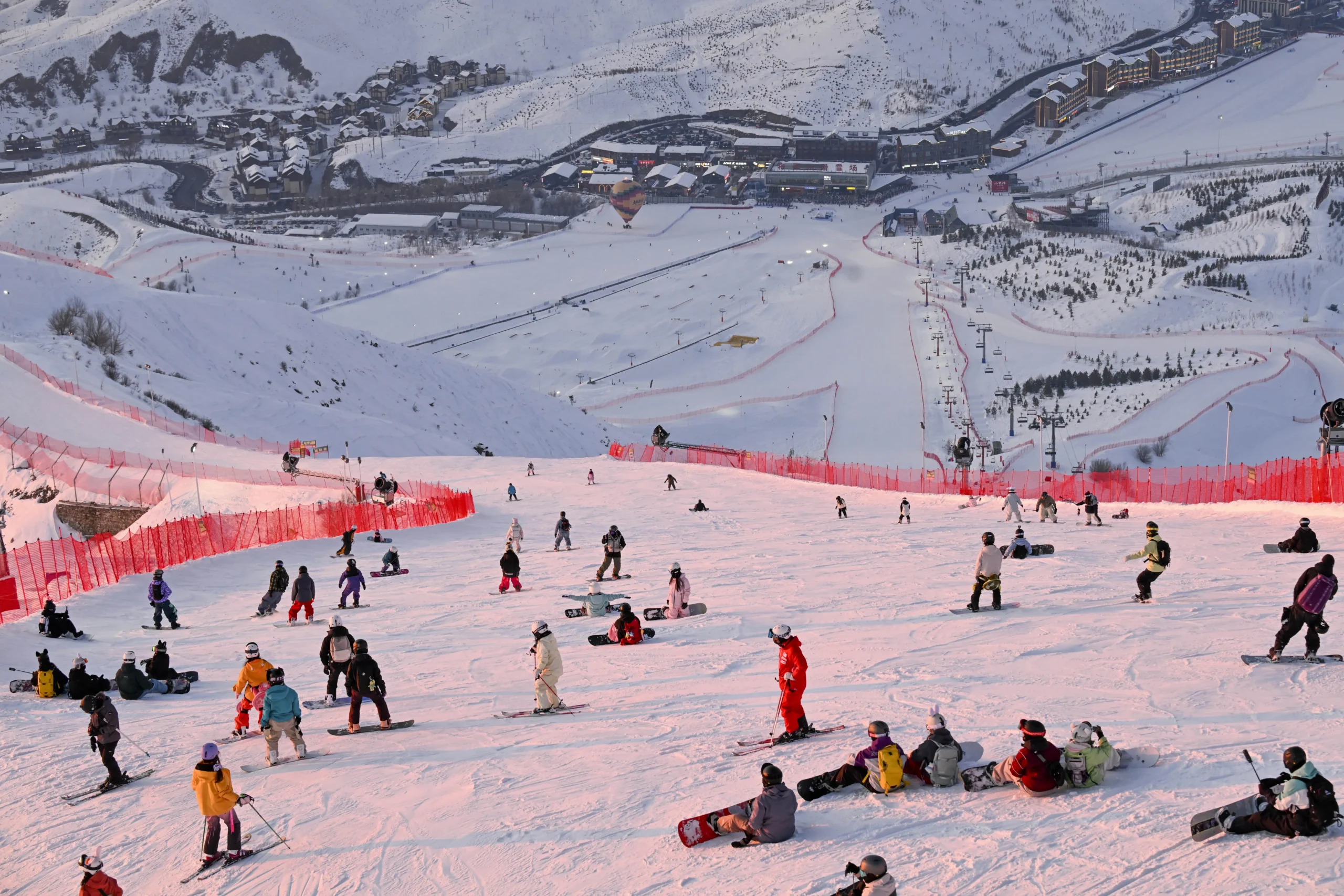
Facilities cover everything off the snow: parking, ticket offices, rental shops, lockers, restrooms, food courts, medical stations, and staff desks. At larger mountains such as those near Altay, these are clustered in a heated base village with signed walkways. Smaller hills may run a single lodge with a combined rental-and-ticket window. Knowing the layout before you go lets you pack lighter and move faster on day one. It also tells you whether you need to bring your own food or can rely on on-site dining for the whole stay.
Lockers and Day Storage
Almost every resort rents lockers by the day or week. Bring a small padlock if you prefer your own, though most use key-card or QR-code units that you scan with your phone. Stash your street boots, a spare layer, and anything valuable. If you are skiing multiple days, ask about multi-day locker passes — they are cheaper than paying per visit and spare you the daily shuffle of re-locking. Some resorts also offer overnight gear storage so you never carry skis to the hotel. For foreign visitors, the locker desk is also where you settle any deposit in cash or Alipay, so keep some small change handy for the refund at the end of the day.
Tips for Locker Use
- Label your gear with a bright ribbon so it stands out among identical black bags.
- Keep your ski pass and phone in an inside pocket, not the locker you will lock.
- Use the locker near your rental return to shorten the end-of-day walk.
- Photograph the locker number; cold, tired brains forget digits at 4 p.m.
Equipment Rental Desks
Rental is where first impressions are made. A good beginner-friendly Xinjiang resort will size your boots, skis, and helmet, then walk you through binding release. Arrive early on weekends; the best-fitting boots go first. If you followed a Xinjiang skiing guide and already own gear, you can still use the wax and tune desk instead of renting. High-end resorts stock performance skis for intermediates who want to try something narrower or wider than their daily setup.
What to Check Before You Leave the Desk
- Boots should feel snug, not painful — you will wear them for hours.
- Skis should reach roughly chin height for beginners, not overhead.
- Helmets must sit level and clip securely under the chin.
- Poles should touch the ground at your hip when upright.
- Bindings should release with a firm sideways twist, not fight you.
On-Mountain Food, Restrooms, and Rest Zones
Hydration and warmth matter more than people expect at -20°C. Most resorts have a base cafeteria plus one or two mid-mountain huts. Prices rise with altitude, so eat a solid meal at the base. Heated rest zones with benches are lifesavers for kids and beginners; use them rather than pushing through exhaustion, which is when injuries happen. Many base villages also have a convenience store selling hand warmers, lip balm, and snacks you will wish you had packed.
Ticketing, Passes, and the Resort App
Many Altay mountain resorts now sell lift passes through WeChat mini-programs or a resort app. Load the app before arrival and bind your passport or ID. A day pass covers lifts only; lessons, rentals, and lockers are usually separate. Keep a screenshot of your QR pass in case the mountain network drops — signal is patchy at the top of the lift. Some resorts let you top up a stored-value card that also works at the cafeteria, which speeds up every transaction once you are on the snow.
Medical, Safety, and Lost-and-Found
Every licensed resort runs a first-aid room near the base and patrols the slopes. If you lose a glove or a phone, report it at the lost-and-found desk the same day; items left on a chairlift are often recovered within hours. Travel insurance that covers winter sports is strongly recommended, and you should note the resort’s emergency number before your first run. Ski patrol also handles minor fixes like a thrown binding or a deep scratch in a base, so flag a damaged ski rather than risking a failure mid-run.
Family, Child, and Beginner Services
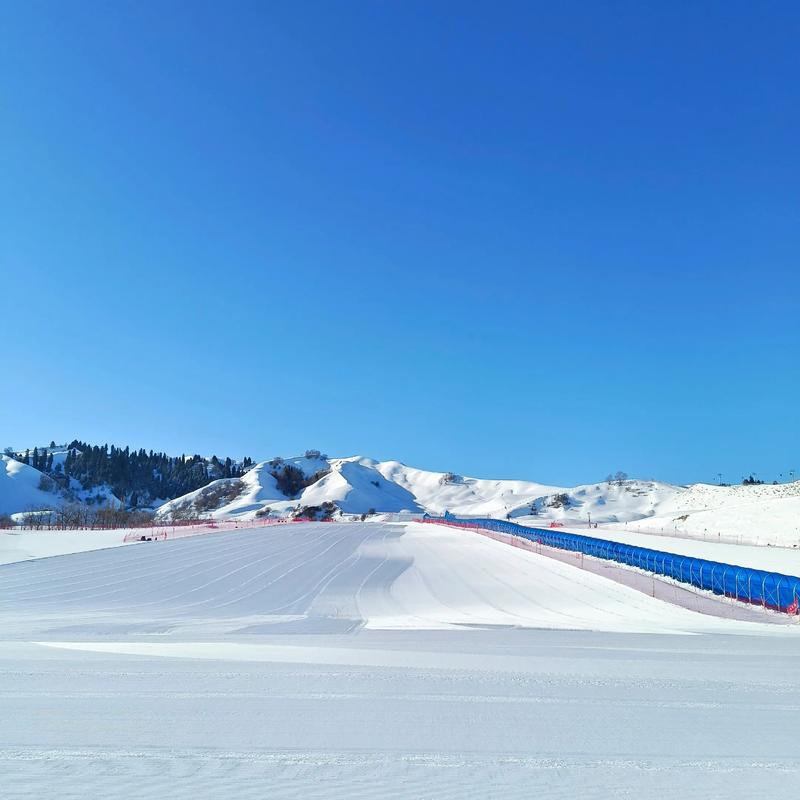
Families should look for a dedicated children’s zone with its own lift, shorter lines, and staff trained for young skiers. Many resorts run a supervised kids’ club so parents can ski separately. For pure beginners, the magic-carpet beginner area is the facility that matters most — a flat, gentle conveyor beats a chairlift for your first hour on snow. Ask at the desk where the novice zone sits so you do not accidentally queue for an advanced lift.
Getting There, Parking, and Last Lifts
Decide where you will ski using a where to ski in Xinjiang overview, then check the resort’s shuttle and parking rules. Big weekends fill lots by 10 a.m. The best time to ski in Xinjiang is deep winter, when days are short — plan to be off the mountain before the last lift, because facilities close promptly and staff will not extend hours for stragglers. If you drive, note the shuttle pick-up points; some base villages are a short bus ride from the remote lot, and missing the last shuttle means a cold walk.
Frequently Asked Questions
Do Xinjiang ski resorts have English signage?
Major resorts near Altay post key signs in both Chinese and English, especially for lifts, restrooms, and first aid. Smaller hills may be Chinese-only, so a translation app helps.
Can I rent clothing, or just skis?
Most rental desks offer full kits — jacket, pants, goggles, and gloves — alongside skis and boards. Renting clothing is convenient if you travel light, though fit and warmth vary by resort.
Are there places to warm up on the mountain?
Yes. Heated rest zones and mid-mountain huts are standard at larger resorts. Use them between runs to avoid cold-related fatigue and poor decision-making.
Is tap water safe to refill bottles?
Bring a reusable bottle; base buildings usually have hot-water dispensers. For drinking cold water, sealed bottled water from the cafeteria is the safer choice.
How early should I arrive on peak days?
Aim for opening time, typically 9 a.m. Lockers, rentals, and parking all fill fast on weekends and holidays, and queues grow through late morning.
What if I lose my lift pass?
Report it immediately at the ticket desk with your ID. Most passes are reissued for a small fee, but unreported passes can be misused by others.