

There is something unforgettable about carving down a slope under stadium lights while the temperature drops and the crowd thins out. Night skiing in China has grown fast over the last decade, and many resorts now floodlit runs well past dark. This guide explains where to go, what to wear, and how to stay safe and warm under the lights, so your first evening on the hill is fun rather than fumbling.
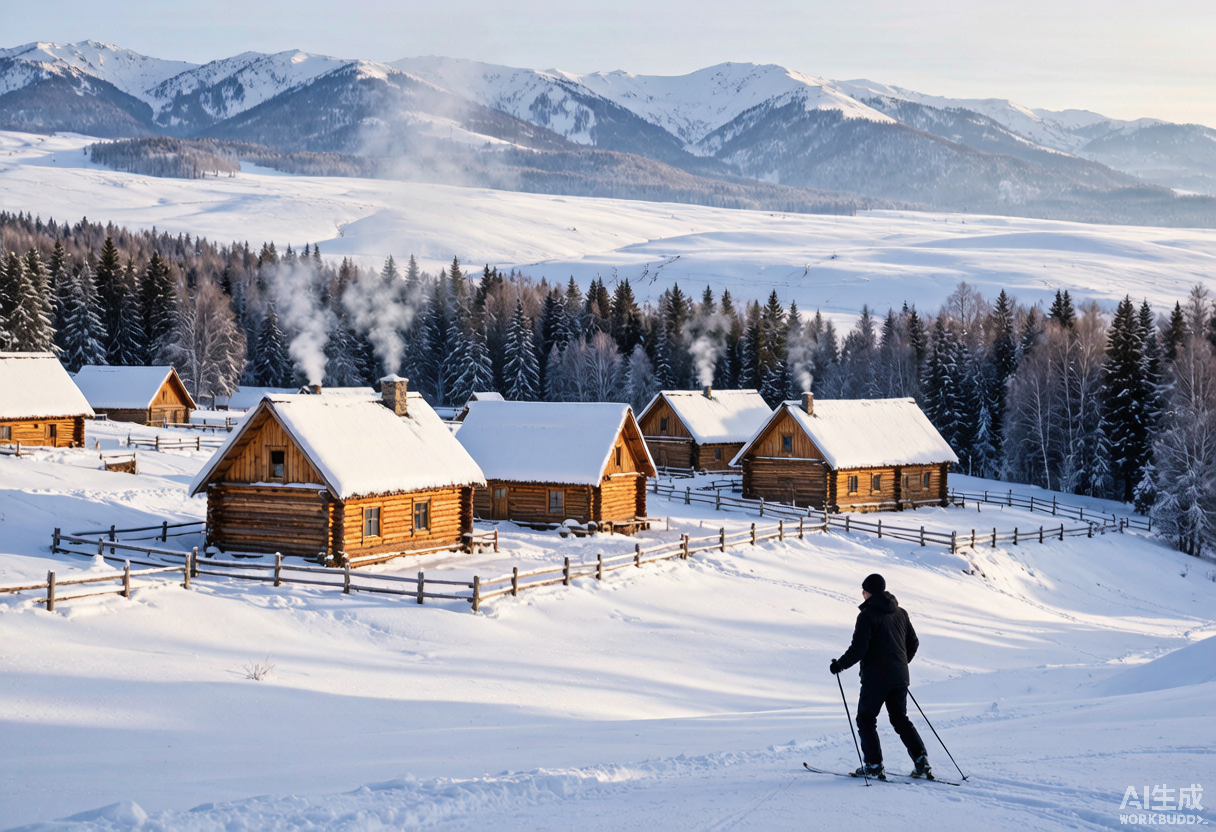
What Is Night Skiing, Exactly?
Night skiing means skiing or snowboarding on artificially lit runs after sunset. Lights are mounted on towers along the trail, illuminating a corridor wide enough for confident turns. It is usually calmer than midday, cooler, and — on clear nights — quietly magical. Most Chinese resorts open night sessions from around 6 p.m. to 9 or 10 p.m., often on select days of the week, so check the schedule before you travel because not every night is lit and peak weekends sell out first.
A Short History of Night Skiing in China
Lit slopes started as a way to extend busy urban resorts near Beijing and Harbin, letting commuters ski after work instead of losing the mountain to darkness. As domestic skiing boomed, destination resorts across the north copied the model, and today floodlit groomers are a standard feature at most mid-size hills. The result is a culture of evening riding that simply did not exist a generation ago, and it keeps growing as lift technology and LED lighting get cheaper and brighter.
Best Resorts for Night Skiing
The strongest night scenes sit near big cities and at the major destination resorts. For a broad overview, see our list of the best ski resorts in China, many of which run lit evening runs. Around the capital, the Beijing ski resorts are the easiest place to try night skiing because you can ski after work and be home the same night. Further north, the big destination resorts run longer lit windows and wider corridors, which feel less cramped than the tight city slopes.
What to Expect From the Light
Lit corridors are brighter than you think but dimmer than daylight. Shadows flatten, so terrain features read differently — a roller you would see at noon can sneak up on you at night. Keep your speed managed until your eyes adjust, and give the skier ahead more room because you will judge distances a beat slower than in full sun.
Night Skiing vs Day Skiing
Day skiing gives you the views and the variety; night skiing gives you the vibe and the value. The mountain is quieter, the air is crisp, and the glow of the lights makes even a familiar trail feel new. The trade-off is terrain: resorts usually light only a few groomed runs, so park features and steep stuff stay closed after dark. Treat night sessions as a relaxed cruise, not a mission to bag new lines, and you will enjoy them far more.
Gear and Clothing for Cold Evenings
Night sessions are colder than day sessions, full stop. Layer up, add a thin balaclava, and pack hand warmers. A clear or lightly tinted goggle lens beats dark sunglasses after dusk. For gear choices, our China ski equipment guide covers lenses, gloves, and base layers that suit low-light, low-temperature riding.
- Clear or yellow goggle lens for contrast under lamps.
- An extra mid-layer you can add as the temperature drops.
- Touchscreen gloves so you can check the lift queue without freezing.
- A small light if you plan to walk back to a cabin after last chair.
Skip the dark sunglasses entirely after sunset. Even “photochromic” lenses that worked at noon may not clear fast enough under lamps, and you will squint your way down the first run. A spare dry pair of gloves in your pocket is also worth its weight when the first pair gets soaked.
Safety on Lit Slopes
Fatigue is the real enemy at night — you have already skied the day. Warm up gently, stay on open lit trails, and avoid sidecountry you cannot see. Follow the same slope manners you would by day; our China ski etiquette and slope rules explain right-of-way and stopping safely so everyone gets home happy. Never ski past the last lit tower, and if a light is out, treat that section as closed rather than a challenge.
Where to Stay and How to Get Back
City resorts are easy: ski, shower, train home. Destination resorts need a plan — book a room within the resort base area so you can walk back instead of driving tired on icy roads. If you do drive, the cold and the dark make a familiar road unfamiliar, so leave with the crowd rather than lingering for a last unofficial run after the lights go off. Group trips are the relaxed option: one designated driver who skis the day only, or a shuttle booked in advance, removes the temptation to drive cold and tired.
Cost and Planning
Night passes are often cheaper than full-day tickets, which makes them brilliant for a quick fix after work. Budget realistically with our China ski budget guide, which breaks down passes, rentals, and food so an evening on the hill does not become a surprise expense. Buy online in advance, arrive an hour before the lights come on to beat the queue, and you will get a relaxed warm-up run in the last of the daylight.
Frequently Asked Questions
Is night skiing safe for beginners?
Yes, on green and easy blue lit runs, with a lesson. Just keep speed down, stay in the bright corridor, and quit before you are too tired to react. Many resorts restrict difficult terrain to daytime only, which naturally keeps beginners on the right trails.
Do I need special goggles for night skiing?
A clear or yellow-tinted lens helps a lot. Dark lenses cut too much light. If you only own one lens, a light rose or clear option is the better all-rounder for evening sessions, and it still works fine on grey daytime runs.
Which Chinese city is easiest for night skiing?
Beijing. The Beijing ski resorts sit close to the city, so you can ski under the lights and still make it home the same night without an overnight stay. Trains and rideshares make the return simple even late.
Are night passes cheaper than day passes?
Usually. Resorts use evening slots to fill the mountain after the day crowd leaves, so a night ticket is commonly the better value — check the resort’s weekly schedule because not every night is lit, and holiday nights can cost more.
What should I eat before a night session?
A warm meal and water. You have likely already burned energy during the day, and cold evening air hides how much fluid you lose. A hot noodle bowl before last chair is the local move, and it keeps you warm for the walk to the car.
Can kids go night skiing?
At most resorts yes, on easy lit trails and with an adult. Keep it short, dress them warm, and finish before they get cold or tired — a fun first night beats a miserable late one, and a headlamp in the pocket covers the walk back.