

Your first ski trip to China should be thrilling, not painful. Yet the same avoidable errors trip up almost every beginner. Learning the common skiing mistakes first-timers make before you fly means fewer falls, lower costs, and a real shot at linking your first turns. This article breaks down the slip-ups and, more importantly, how to dodge them — so you spend the trip smiling instead of icing a twisted knee. China’s resorts range from beginner-friendly hills near Beijing to serious powder in Xinjiang, but the beginner pitfalls are universal across all of them.
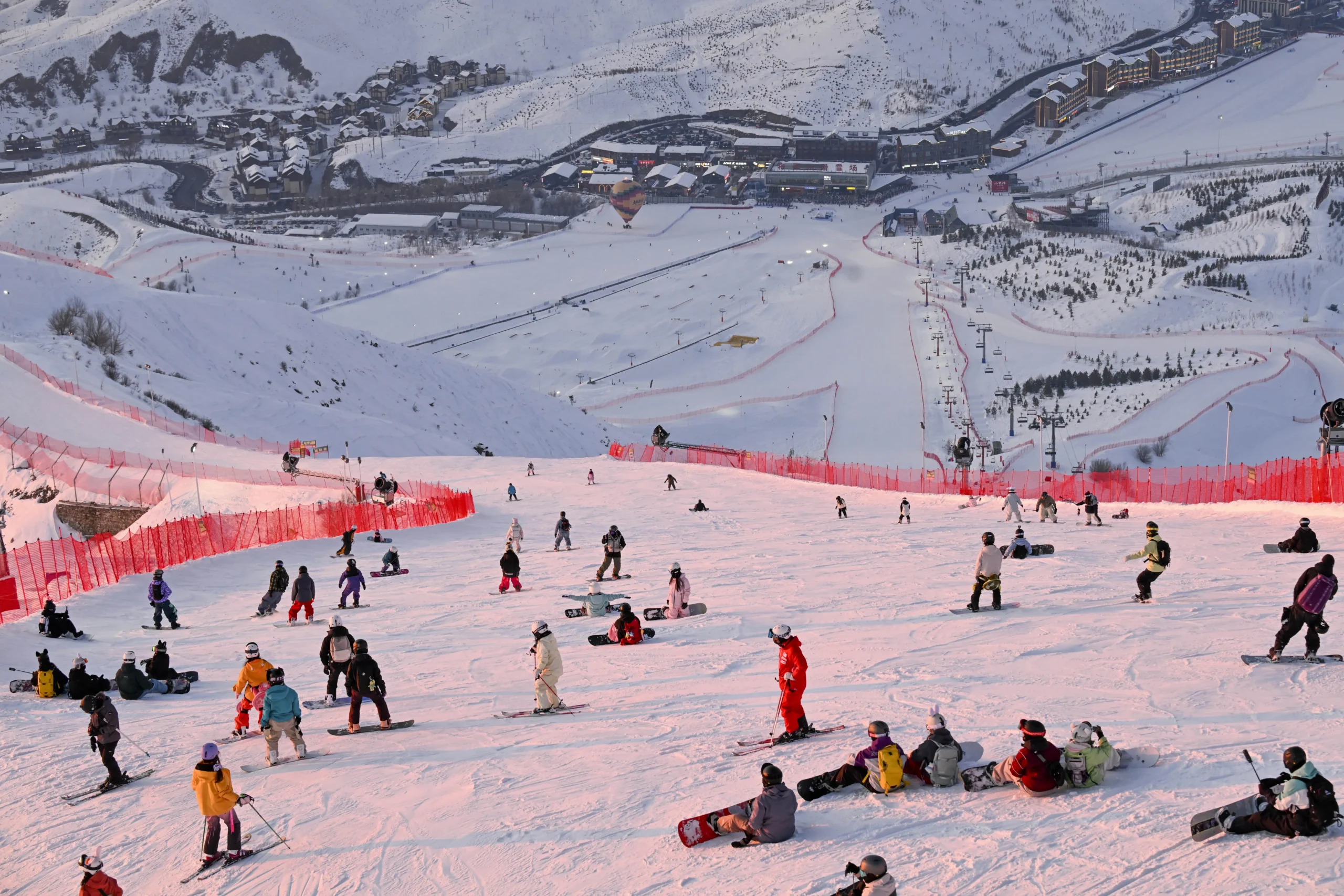
Mistake 1: Skipping the Lesson
The single biggest error is believing you can teach yourself from videos. Chinese resorts offer group and private instruction, often with English-speaking coaches at major mountains. A half-day lesson beats a full day of bad habits. Build fundamentals with a beginner’s guide to skiing in China plus a real coach, and you will progress in hours instead of days. Instructors also teach the mountain’s specific rules, which a video filmed in the Alps will never cover. Group lessons are cheaper and social; private sessions fix your personal flaws fastest. Book the first morning slot so you learn the mountain before the crowds arrive.
Mistake 2: Wearing the Wrong Clothes
Cotton kills warmth. Beginners wear jeans and a hoodie, then freeze by the second run. Layer a moisture-wicking base, an insulating mid-layer, and a windproof shell. Rent the jacket and pants if you must — most resorts stock them. Gloves and goggles are non-negotiable; bare hands on metal lifts at -15°C end trips early. Pack a neck gaiter too; wind whips exposed skin on the chairlift and a red face is the mildest outcome.
Clothing Checklist
- Base layer that wicks sweat, never cotton.
- Insulated, waterproof outer shell and pants.
- One spare dry pair of socks — wet feet ruin days.
- Goggles with UV protection, not sunglasses alone.
- Neck gaiter or balaclava for lift rides.
Mistake 3: Renting Ill-Fitted Boots
Beginners tolerate painful boots instead of asking for a different size. A boot that is too big slides; too small numbs your foot. Spend the extra minutes at the rental desk. Pair this with a beginner ski checklist so nothing is forgotten at the counter, and you will start comfortable. If a boot hurts after ten minutes of walking, go back — a good shop will swap it without attitude.
Mistake 4: Pushing Too Hard, Too Soon
Energy management wins trips. New skiers ride every lift, skip food, and crash by noon. Take breaks, eat, and hydrate. The best months to ski in China bring cold, short days — pace yourself so your last run is as clean as your first. Fatigue is when knees twist and confidence overshoots skill. A tired beginner on a crowded slope is a risk to everyone nearby. Set a phone alarm for a midday meal; hunger hides until it becomes a shaky, dangerous descent you cannot enjoy.
Mistake 5: Ignoring the Budget
Costs sneak up: passes, rentals, lockers, lessons, food, and transport. Plan a realistic number using a China ski budget guide before you book. Many first-timers blow the budget on day one, then skip the lessons that would have helped most. Spend on instruction before luxuries. A private lesson that costs more upfront often saves money by preventing an injury that ends the trip.
Mistake 6: Forgetting Mountain Etiquette
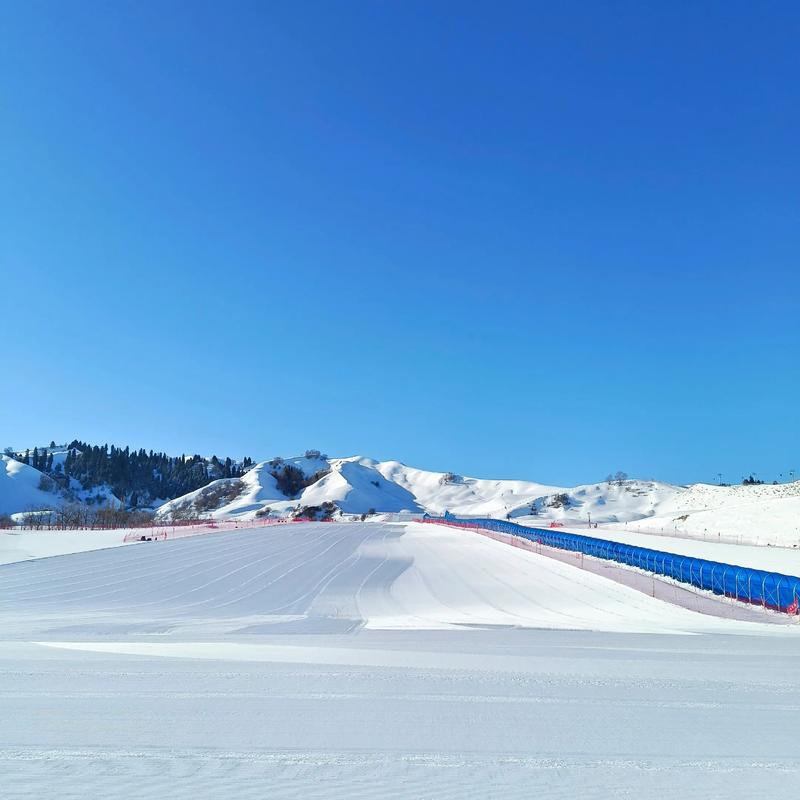
Chinese slopes are busy, especially on weekends. Look uphill before merging, don’t stop in the fall line, and yield to the skier below. A Xinjiang skiing guide covers regional quirks, but the universal rule holds: predictable skiing is safe skiing. Wandering across a busy trail invites collisions. When you do fall, clear the lane quickly so the skier behind you is not forced into an awkward line. Call out “track left” or “track right” if you must pass, and keep a wide berth around children, who move unpredictably.
Mistake 7: No Insurance or Emergency Plan
Winter-sports cover is cheap; medical bills abroad are not. Buy a policy that explicitly includes skiing. Save the resort emergency number and your passport copy to your phone. First-timers who skip this gamble on a single fall turning expensive — a mistake with no upside. Also register with your embassy’s travel advice page so someone knows your region if plans change.
Mistake 8: Chasing Harder Slopes Too Early
Nothing humbles a beginner like a blue run attempted on day one. Stick to green and easy-blue terrain until stops are automatic and turns are controlled. Confidence built on easy slopes transfers upward safely; confidence borrowed from a harder run usually ends in a tumble. Let the mountain earn your ambition rather than demanding it immediately. A good rule: if you cannot stop on demand, you are not ready for the next grade up.
Mistake 9: Booking Accommodation Too Late
Base-village rooms near popular resorts sell out on holidays, and the cheap ones go first. Booking late forces a long commute from a distant town, stealing morning time you will never get back. Reserve lodging the same week you buy lift passes, and prefer a place within walking distance of the rental desk. The convenience of rolling out of bed and onto the snow is worth more than the small saving of a remote hotel.
Mistake 10: Forgetting Sun and Altitude
High, clear skies mean intense UV that burns faces fast, even in freezing weather — pack SPF and lip balm. Thin mountain air also tires newcomers quicker than sea-level exercise. Drink extra water and ease off alcohol on night one. Ignoring altitude is a quiet mistake that saps energy on day two, when you most want to be carving confidently.
Frequently Asked Questions
Is a one-day lesson enough for a first-timer?
A half or full day gets most people sliding and stopping safely. You will not be an expert, but you will be independent on gentle slopes. Add a second session if the resort feels comfortable.
Should I buy or rent gear as a beginner?
Rent for your first one or two trips. Buying before you know your preferences wastes money on the wrong flex or fit. Rentals at Chinese resorts are decent and let you experiment.
Are Chinese ski resorts beginner-friendly?
Yes, especially the larger mountains with dedicated novice areas and English signage. Start on the bunny slope, take a lesson, and advance only when confident.
What is the biggest cost surprise for first-timers?
Lessons and rentals. Many budget only for the lift pass, then discover instruction is separate. Plan for the full kit upfront to avoid cutting corners on safety.
Can I ski in China without speaking Chinese?
At major resorts, yes. Apps, picture menus, and English-speaking instructors cover the basics. Learning a few polite phrases still smooths interactions off the mountain.
How do I avoid getting tired too fast?
Warm up, take regular breaks, eat, and hydrate. Ski in short sessions rather than marathon days, and quit while you are still enjoying it rather than pushing to exhaustion.