

There is a particular magic to skiing under floodlights: the mountain goes quiet, the air sharpens, the groomed corduroy glitters like frozen static, and every turn feels faster than it does at noon. In Xinjiang, night skiing has grown from a novelty into a regular feature at several resorts, especially the city-adjacent hills around Urumqi where office workers clock out at six and are carving by seven-thirty. If your itinerary is tight, night sessions effectively add hours of skiing to every travel day. This guide covers where night skiing is offered, what conditions to expect after dark, how to dress for the temperature plunge, and how to make evening laps a highlight of your trip rather than a shivering afterthought. If you are still choosing your base area, our overview of where to ski in Xinjiang will help you pick a region first.
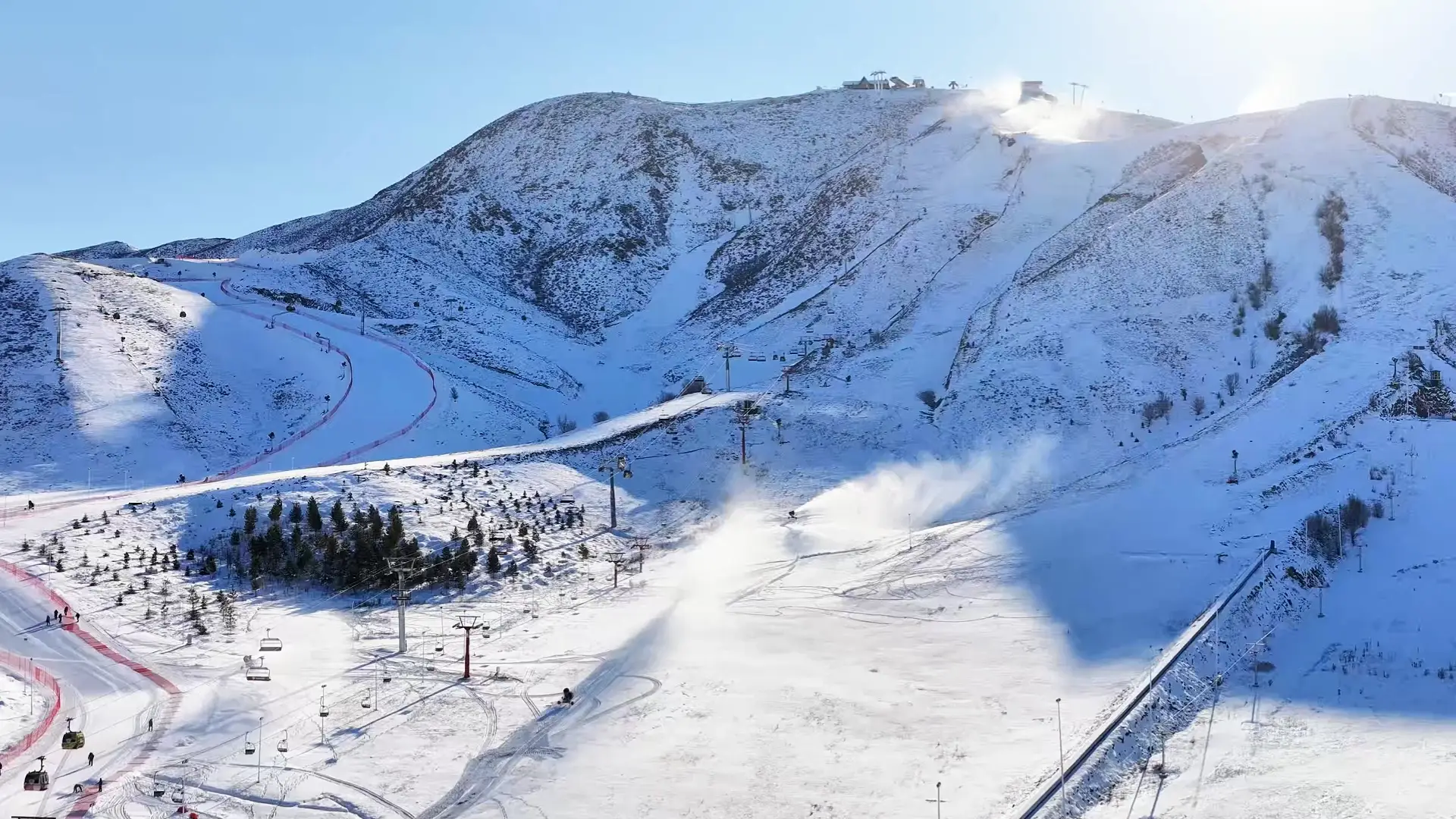
Where You Can Ski at Night in Xinjiang
Night operations cluster around population centers, because floodlit skiing is fundamentally an after-work product. The pattern in Xinjiang looks like this:
- Resorts near Urumqi. The hills within an hour of the capital are the most reliable night-skiing venues in the region. Several run evening sessions on weekends and holidays through the core season, typically lighting a selection of beginner and intermediate runs plus a terrain park zone.
- City ski hills in other prefectures. Smaller hills near regional cities often light one or two main slopes. Sessions may run only on Friday and Saturday nights, so check schedules before driving out.
- Destination resorts in Altay. The big northern mountains focus on daytime operations, but some maintain limited floodlit areas near the base village, which are pleasant for an easy after-dinner lap even if they will not challenge advanced skiers.
Schedules shift year to year and even week to week around holidays, so treat published times as provisional. Resort apps and official social accounts post the current session calendar; it is worth saving offline copies of schedules and trail maps before you head into patchy signal areas, a trick we cover in our guide to ski apps and offline maps for Xinjiang.
What Night Snow Is Actually Like
Night skiing conditions in Xinjiang are usually firm and fast. Most resorts groom lit runs in the late afternoon, so the evening session opens on fresh corduroy that stays intact far longer than a daytime groom would, simply because far fewer skiers are cutting it up. As the air temperature drops after sunset, the surface tightens: expect packed-powder-to-firm conditions that reward sharp edges and clean technique.
Visibility and Depth Perception
Floodlights flatten the terrain. Rollers, wind ripples, and small bumps cast confusing shadows or disappear entirely, and the transition zones between bright pools of light and darker margins demand caution. A few practical adjustments help:
- Use a clear or light-yellow lens. Dark daytime lenses are dangerous at night. Yellow and rose tints boost contrast under artificial light.
- Ski the middle of the run. Lighting is strongest down the center line; edges and tree margins hide ice patches and debris.
- Slow down on your first laps. Give your eyes twenty minutes to adapt and learn where the shadows lie before opening up speed.
- Keep more distance from other skiers. Closing speeds are harder to judge under lights, and beginner-heavy evening crowds can be unpredictable.
Dressing for the Evening Temperature Drop
This is where most first-timers suffer. A pleasant minus-eight afternoon in Urumqi’s foothills can become minus-eighteen or colder two hours after sunset, and the radiative cooling under clear desert-margin skies is brutal on exposed skin. Dress for a full winter day plus a margin:
- Add one more insulating layer than you wore for the same resort in daytime, ideally a down or synthetic mid-layer under your shell.
- Upgrade your gloves. Mittens with liners beat gloves at night. Chemical hand warmers are cheap insurance and sold at most resort shops.
- Cover every bit of skin. A balaclava or neck gaiter pulled over the chin and nose prevents frostnip on lift rides, which is when the cold really bites.
- Warm your boots beforehand and consider boot gloves or heated insoles if your feet run cold; standing snow at night is unforgiving.
- Take indoor breaks every 45 to 60 minutes. Base lodges stay open through the session; use them before you are shivering, not after.
Deep-winter cold management matters even more after dark, and the same principles from our main Xinjiang skiing guide apply: cotton kills warmth, wind is the multiplier, and slightly-too-warm beats slightly-too-cold every time at night.
Making a Night Session Fit Your Trip
Night skiing shines as a schedule extender. Common patterns that work well:
- Arrival-day warm-up. Land in Urumqi in the afternoon, check in, and take a relaxed evening session to shake off the flight and test rental gear before your first full day.
- City-day combo. Spend the day at the bazaar and museums, then ski a two-hour night session — the best of both worlds on a short itinerary.
- Lesson laboratory. Evening slopes are quieter, and the firm consistent surface is ideal for drilling technique. Some schools offer discounted evening lessons.
- Festival nights. Around holidays, resorts pair night sessions with music, food stalls, and fireworks; these are worth planning around, and our calendar of Xinjiang ski festivals lists the headline dates.
Tickets and Costs
Night tickets are one of Xinjiang skiing’s best bargains, typically 40 to 60 percent cheaper than a full-day pass for a two-to-three-hour session. Rental shops usually stay open through the evening, though the selection thins, so reserve gear ahead on busy weekends. If you plan multiple evenings, ask about multi-session night passes; several resorts sell them quietly at the ticket window even when they are not advertised online.
Night Skiing Etiquette and Safety
A few habits keep evening sessions safe and pleasant for everyone. Ski in pairs or at least tell someone your plan, because a fall into a dark run edge is easy to miss. Obey closing sweeps: patrol clears the lit runs at session end, and ducking into unlit terrain after hours is genuinely dangerous as groomers with winch cables work the mountain at night. Keep headphones at low volume or off; your ears do more work when your eyes have less to go on. And save the phone photos for lift rides, because standing mid-slope in a dark jacket is how collisions happen. If you are extending your season into the warmer months, note that spring evenings stay bright much later — by late March you can ski daylight until nearly eight, as we describe in our guide to spring skiing in Xinjiang, and floodlights become almost decorative.
Frequently Asked Questions
Which Xinjiang resorts offer night skiing?
The most consistent night operations are at the hills within about an hour of Urumqi, with smaller regional city hills lighting one or two runs on weekends. Large Altay destination resorts focus on daytime skiing but may keep small floodlit base areas open. Always check the current session calendar before you go.
How cold does night skiing in Xinjiang get?
Expect temperatures 8 to 12 degrees Celsius colder than the afternoon, commonly minus 15 to minus 25 in deep winter. Dress with an extra insulating layer, mittens, and full face coverage, and take regular indoor breaks.
Is night skiing suitable for beginners?
Yes, with caveats. Lit runs are usually gentle and freshly groomed, and crowds are lighter than daytime weekends. However, flat light makes terrain harder to read, so beginners should stay on the brightest central lines and keep speeds modest.
What lens should I use in my goggles at night?
Clear, light yellow, or rose lenses work best under floodlights. Never use dark daytime lenses after sunset, as they cut too much light and hide surface changes.
Are night tickets cheaper than day passes?
Almost always. A night session typically costs 40 to 60 percent less than a full-day ticket, making it one of the best-value ways to add ski hours to a Xinjiang trip.