

Ski mountaineering in Xinjiang is one of the last truly wild alpine experiences left in Asia. Instead of riding a chairlift, you climb under your own power on skins or crampons, then ski back down untracked snow through the Altai and Tianshan ranges. For foreign skiers who already love the backcountry, Xinjiang offers long powder seasons, thin crowds, and peaks that see only a handful of ascents each winter. This guide explains where to go, what to bring, how to stay safe, and how to plan a realistic first expedition. If you are new to the region, start with our broad Xinjiang skiing guide before committing to a mountain objective.
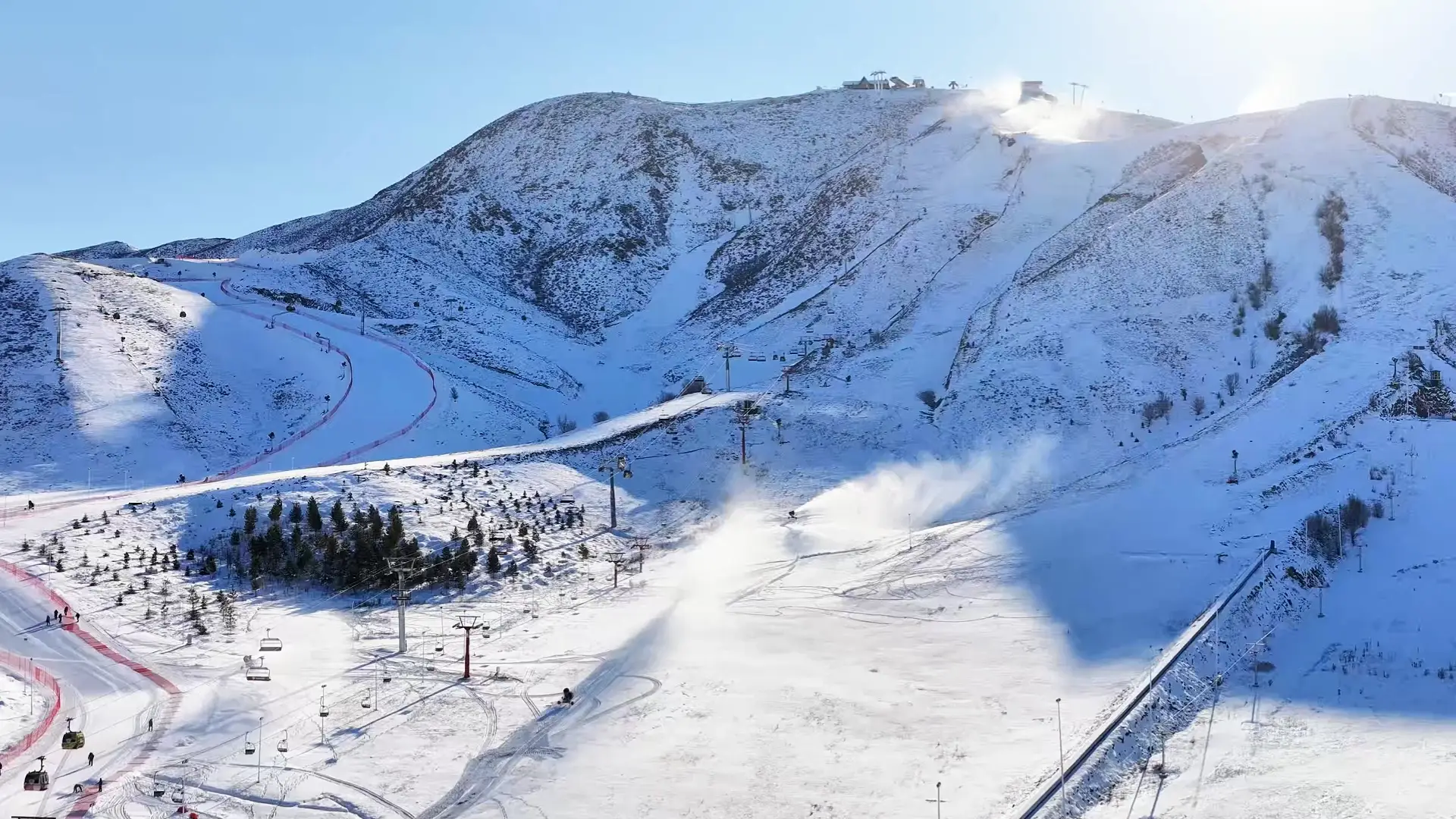
Why Xinjiang Is Made for Ski Mountaineering
Xinjiang sits at the junction of Siberian cold fronts and dry continental air, which produces exceptionally light, deep snow. The Altai mountains in the far north are often called the birthplace of skiing, and their rounded, treeline-friendly ridges are perfect for touring. Further south, the Tianshan range delivers steeper, more serious alpine terrain for experienced parties. Because the region is enormous and lightly developed, you can spend a full day earning turns without seeing another team, which is increasingly rare anywhere in the world.
- Long season: reliable snow from late November into April, with the best stability windows in January and February.
- Low traffic: most objectives are untouched, so route-finding and avalanche judgment matter more than lift lines.
- Varied terrain: gentle rolling meadows for skin-track beginners and committing couloirs for advanced tourers.
- Cold, dry snow: the continental climate keeps powder light for days after a storm, unlike maritime ranges where snow settles quickly.
The trade-off for all this solitude is self-reliance. There is no dense hut network and limited professional forecasting, so your planning, fitness, and decision-making carry more weight than they would in the Alps or Japan. Choosing the right months for your fitness and goals is the first planning step, since early-season snow can be thin over rocks and late-season warming changes stability by the hour.
Where to Go: Key Zones
Altai Range (Northern Xinjiang)
The Altai is the friendliest introduction to Xinjiang ski touring. Around Koktokay (Keketuohai), Hemu, and the Kanas basin you will find aspen-fringed slopes, moderate angles, and easy access from village guesthouses. These zones pair well with lift-served warm-ups; many tourers spend a day at a resort dialing in gear before heading into the hills. The vertical relief is modest, but the snow quality and scenery are world-class. If your priority is bottomless powder rather than big summits, read our notes on backcountry powder skiing in Xinjiang.
Tianshan Range (Central Xinjiang)
South and east of Urumqi, the Tianshan offers higher, colder, and more technical peaks. Objectives here can involve glaciated approaches, longer summit days, and real exposure. This is expedition territory: plan for altitude, carry rope and glacier gear where needed, and hire an experienced local guide. Weather can shift quickly, and escape routes may be long, so conservative decision-making is essential. Only teams with solid alpine experience should attempt the bigger Tianshan lines.
Gear Checklist for Xinjiang Touring
Ski mountaineering gear must handle deep cold, self-powered climbing, and self-rescue. Temperatures can drop below minus 25 Celsius, so redundancy is not optional.
- Touring skis or a splitboard with climbing skins and adjustable poles.
- Tech (pin) bindings and boots with a reliable walk mode.
- Avalanche transceiver, probe, and shovel — carried by every member and practiced with.
- Ski crampons and boot crampons plus an ice axe for firm or steep sections.
- Insulated layers, a wind shell, spare gloves, goggles, and a warm belay jacket.
- Navigation: offline maps, a GPS, spare batteries, and a paper backup.
- Repair kit, first-aid supplies, a headlamp, and a thermos of hot fluid.
Battery life plummets in extreme cold, so keep your transceiver and phone close to your body. For a full seasonal packing framework you can adapt to touring, see the advanced Xinjiang ski gear checklist.
Fitness, Altitude, and Acclimatization
Skinning uphill for several hours at altitude is demanding even for strong resort skiers. Many Tianshan objectives sit between 2,500 and 3,500 meters, high enough that acclimatization matters. Arrive a day or two early, hydrate aggressively, and build your vertical gradually rather than attempting your biggest day first. In the months before your trip, train with uphill cardio, stair intervals, and load-carrying hikes so your legs and lungs are ready. Our guide to Xinjiang ski altitude acclimatization covers how to spot early symptoms and pace your first days on snow.
Avalanche Safety and Risk Management
Xinjiang has no dense professional avalanche forecasting network, so your team is your own safety system. Take a recognized avalanche course before you travel, practice companion rescue until it is automatic, and always ski slopes one at a time with a spotter. Each morning, study the aspect, recent wind loading, and temperature trends, and be willing to turn around when the snowpack sends warning signs such as cracking or whumpfing. Keep terrain choices conservative early in a trip while you gather local information. Combine this discipline with the cold-weather and rescue advice in our Xinjiang ski safety and altitude article to build a complete risk plan.
Guides and Logistics
Unless you have serious expedition experience, hire a local guide who knows current snow conditions, access permits, and evacuation options. Guides also handle transport between villages and trailheads, which saves enormous time and stress. Base yourself in Altay City or a Kanas-area guesthouse for the north, or Urumqi for Tianshan objectives. Budget for private drivers, since public transport rarely reaches trailheads. If you enjoy uphill travel but want a lower-commitment option, consider pairing your trip with skimo and rando uphill skiing in Xinjiang, which uses lighter gear on mellower terrain.
Sample 5-Day Touring Itinerary
- Day 1: Arrive Altay, gear check, avalanche refresher, and a short skin-track shakeout.
- Day 2: Moderate treeline tour near Koktokay, focusing on skin technique and transitions.
- Day 3: Bigger objective with a defined summit, weather and stability permitting.
- Day 4: Rest or a lift-served powder day to recover your legs.
- Day 5: Final tour close to town, then transfer out.
This template balances ambition with recovery and leaves room for weather delays, which are common in the mountains. Stay flexible and treat the summit as a bonus rather than the goal.
Frequently Asked Questions
Do I need previous ski touring experience for Xinjiang?
For the gentle Altai zones, strong intermediate resort skiers with a guide and an avalanche course can manage. Tianshan alpine objectives require solid backcountry and glacier experience.
When is the safest time to go?
Mid-January through February usually offers the most settled snowpack and reliable cold powder, though conditions vary from year to year.
Is a guide really necessary?
Strongly recommended. Local guides provide current avalanche knowledge, logistics, and evacuation support that are difficult to arrange independently as a foreign visitor.
How high are the peaks?
Altai touring commonly stays below 3,000 meters, while Tianshan objectives often reach 2,500 to 3,500 meters, so plan for altitude and acclimatize.
What about permits?
Some border and protected zones require permits. A local operator will arrange the correct paperwork before you arrive.
Can I do this as a splitboarder?
Yes. A splitboard with skins works well in Xinjiang; just ensure your bindings and boots handle the deep cold and that you carry the same avalanche safety kit.