

Planning a ski trip to China is easier than it looks, but a few China ski travel tips save foreigners from the avoidable headaches that catch first-timers. The country’s resorts are welcoming and increasingly used to international guests, yet the systems — visas, mobile payments, language, and slope etiquette — differ enough from Europe or North America that a little preparation pays off. This guide covers the practical setup every foreign skier should handle before flying, with the goal of more time on snow and less time lost to logistics. For the national overview, our China Skiing Guide is the right starting point before you work through the details below.
Visas and Permits
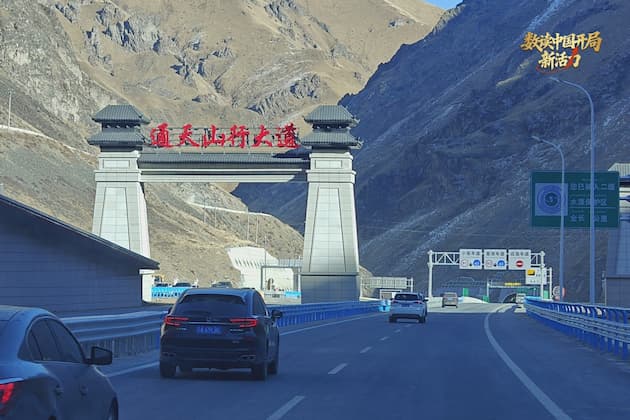
Most visitors need a Chinese tourist visa before arrival; apply through an embassy or consulate well ahead of peak season, because processing can slow around holiday periods. Xinjiang in particular is a sensitive region, and while standard tourist access covers the main ski areas, you should carry your passport and visa at all times and expect occasional document checks. The visa for Xinjiang skiing guide goes deeper on regional rules, and it is worth reading if your trip centres on the west. Do not overstay and do not assume visa-free transit covers a ski holiday — check your specific nationality’s requirements before you book any non-refundable flights or accommodation in a border region.
Payments: Cash, Cards, and Apps
China is close to cashless, and foreign cards do not always work at small vendors. International credit cards are accepted at major hotels and some resort desks, but day-to-day spending — canteens, taxis, tickets — runs on mobile payment. Set up a travel-friendly option before you go, or carry enough cash for small purchases. The skiing in China for foreigners guide explains the payment setup in detail, including which apps tourists can now link. The practical move is to carry a mix: a working international card, some yuan cash, and a configured phone payment so no single failure strands you at a ticket window on a cold morning when the hill is about to open.
Language and Translation
English drops off quickly outside the flagship resorts. A translation app with camera recognition is essential for signs, menus, and rental forms. Learning a few key Chinese ski terms glossary words — resort, run, rent, pass, powder, closed — speeds up the hundred small moments a day. Staff are generally patient and helpful when you try, so the combination of app plus a handful of phrases covers almost everything. Download offline language packs before you fly, because mountain connectivity is patchy and you do not want a dead app when you need to read a closed-run sign near an exposed ridge.
Getting There and Around
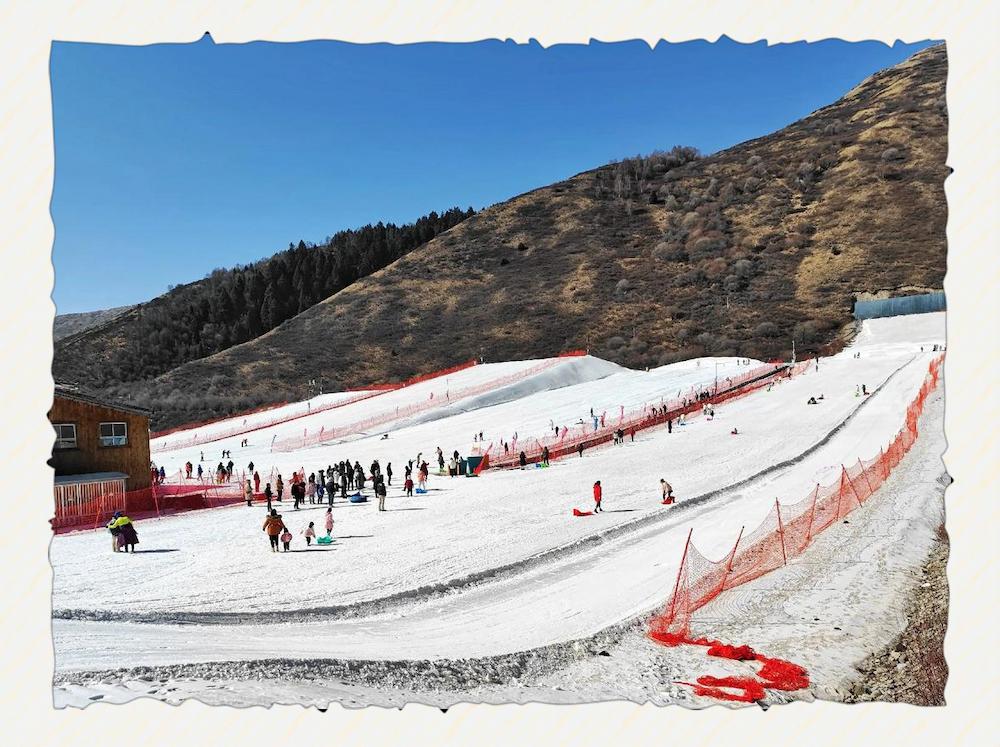
International flights land in major hubs like Beijing, Shanghai, or Urumqi, the last being the gateway to Xinjiang’s slopes. Domestic travel is excellent: high-speed rail and frequent flights connect hubs efficiently, and resort shuttles handle the last mile. Book the long domestic hops in advance during peak winter. The history of skiing in China is worth a read on the flight, but operationally, plan rail or a short flight between regions and avoid self-driving in snow unless you are experienced with local conditions and winter mountain roads that can close without warning after a storm.
Best Regions for Foreign Skiers
Two regions dominate. Xinjiang offers the best powder and dramatic terrain, with growing English support at the top resorts; the northeast offers easier logistics, legacy hills, and family comfort. The skiing in Northeast China guide covers that region’s Harbin-to-Changbaishan loop, while Xinjiang’s Altai is the value-and-powder pick. First-timers often do well starting in the northeast for familiarity, then graduating to Xinjiang for the deep snow, but confident travellers can dive straight into the Altai and never feel they missed the easier introduction elsewhere in the country.
On-Mountain Etiquette
Chinese slopes are busy and the etiquette norms are still maturing, so a few habits keep you safe and welcome. Keep right on a piste to pass, call out before overtaking, and never stop in the fall line where others cannot see you. Watch for less experienced skiers who may not hold a line. Yield at intersections and respect closed signs absolutely — they often mark thin snow or unpatrolled terrain. A little courtesy goes a long way in a culture that values politeness, and local skiers respond well to foreigners who clearly try to follow the same unspoken rules everyone else is learning together on the hill.
Health, Insurance, and Altitude
Buy travel and medical insurance that covers skiing before you leave; rescue and care in remote areas can be costly without it. Xinjiang’s resorts sit at altitude, so expect thinner air for the first day or two and hydrate well. The dry cold is manageable with layering, but frostbite is a real risk on exposed skin. Carry a basic kit and know your resort’s patrol contact. If you have altitude sensitivity, arrive a day early and take it easy before pushing hard, because the combination of cold, elevation, and exertion can sneak up on visitors who assume a ski trip is no different from one back home at lower elevations.
What to Pack
Beyond normal ski kit, bring: a translation app loaded offline, passport copies, a power bank, warm spare gloves, and any prescription medicines in labelled packaging. A VPN-free communication plan helps if you rely on blocked apps at home. Thin merino layers beat bulky ones in the dry cold, and a thermos keeps you going between lodge breaks. Sunscreen and lip balm are non-negotiable — the high-altitude glare off the snow is strong even when the air feels freezing, and chapped skin ruins a trip faster than almost anything else short of an actual injury on the mountain.
Booking Lessons and Rentals
Book English lessons ahead through the resort or a guide, because slots are limited in peak season. Rentals are available at every major hill; quality is good at the flagships and basic at smaller ones. Confirm boot fit and binding clicks before you leave the desk. If you are particular about gear, bring your own boots at minimum. Arriving early on your first day gives you the best boot selection and a calm fitting before the local crowds arrive, which matters more than it sounds when the good sizes disappear within an hour of the lifts opening on a busy weekend morning.
Frequently Asked Questions
Do I need a visa to ski in China as a foreigner?
Almost always, yes — a standard tourist visa obtained before travel. Xinjiang may involve extra document checks, so carry your passport and visa at all times. Check your nationality’s specific requirements before booking anything non-refundable, including internal flights.
Can I use foreign credit cards in Chinese ski resorts?
At major hotels and some resort desks, often yes, but day-to-day spending runs on mobile payment. Carry an international card, some yuan cash, and a configured payment app so a single failure never strands you at a ticket window on a cold morning.
Is English spoken at Chinese ski resorts?
At flagship resorts in peak season, partially, with limited English instructors available. Elsewhere, little. A translation app plus a few ski terms covers most situations, and staff are patient with visitors who make an effort to communicate clearly.
Is it safe for foreigners to ski in Xinjiang?
Yes. The main concerns are weather, cold, and altitude, not security. Resorts are well run and heated; carry insurance, respect closures, and acclimatise to elevation. Document checks happen but are routine for the region and not a cause for concern.
What etiquette should foreign skiers follow on Chinese slopes?
Keep right to pass, call out before overtaking, never stop in the fall line, and respect closed signs absolutely. Slope etiquette is still maturing, so courteous, predictable skiing keeps you safe and welcome among less experienced local skiers sharing the run.
When is the best time for foreigners to ski China?
December through February for reliable snow, with January the coldest and most snow-sure. Avoid the Chinese New Year weeks if you want lower prices and quieter slopes, because domestic demand peaks sharply then and resorts fill with holiday crowds.