

Skiing in Northeast China is the country’s original winter-sport heartland, and most visitors only scratch its surface by stopping at Harbin’s famous ice festival. The real skiing lives further out, across the cold, snowy provinces of Heilongjiang and Jilin, where legacy resorts, volcanic mountains, and some of Asia’s most reliable seasonal snow have quietly built a serious ski culture. This guide moves past the festival postcards to the slopes that matter: Yabuli’s big hills, Jilin’s tree skiing, and the Changbaishan range that anchors the region’s newer destination resorts. For the national picture, our China Skiing Guide sets the context before you plan a northeastern loop.
Why the Northeast Came First
China’s modern ski story began here, not in Xinjiang. The northeast’s long, brutally cold winters, Russian proximity, and industrial cities created the conditions for organised skiing decades before the west caught up. Heilongjiang in particular became the training ground for Chinese competitive skiing, and its resorts still carry that serious pedigree. The Yabuli ski resort profile captures the flagship: big, established, and built for both racing and recreation. Understanding this history explains why the northeast feels more “developed” as a ski region than its younger western rival, even if the powder is lighter out west.
Heilongjiang: The Legacy Province
Heilongjiang is the cornerstone of best ski resorts in China lists for good reason. Beyond Yabuli, the province spreads smaller hills around cities like Harbin and Mudanjiang, many aimed at day-trippers and families. The snow here is cold and abundant through the heart of winter, and the resorts are geared for volume — Chinese families on their first ski holiday. If you want to see where the mass sport took root, Heilongjiang is the place, with infrastructure and lesson systems that newer regions are still learning to match in terms of scale and operational polish on busy weekends.
Harbin: Festival City and Launch Pad
Most foreigners arrive via Harbin skiing, the gateway city famous for its January ice festival. Harbin itself has nearby slopes for a quick taste, but treat it as a launch pad rather than a destination. The city’s real value is the airport, the hotels, and the spectacle; the serious skiing is a drive away at Yabuli or further into Jilin. Build a night for the ice festival into your plan, then move to the hills — that combination is the classic northeastern introduction, and it satisfies both the sightseeing urge and the urge to actually slide on snow.
Jilin: Tree Skiing and Volcanic Peaks
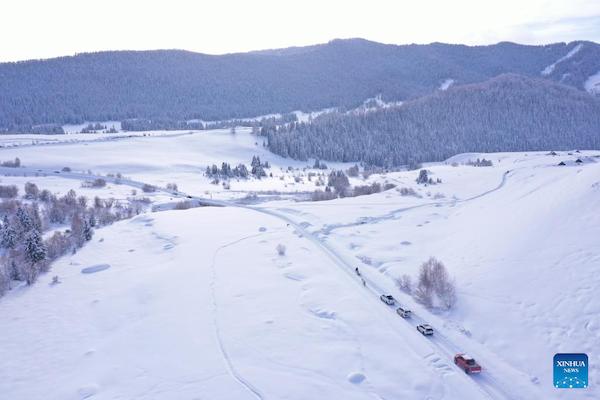
Jilin offers a different flavour. Its resorts sit in forested, often rime-prone country where cold mist freezes to every branch — the famous “rime ice” that turns slopes into crystal galleries after a calm night. The tree skiing is excellent for intermediates who like gladed runs, and the snow is dependable. The Changbaishan skiing area is the headline: slopes built beneath the towering volcanic Changbai mountain, with hot-spring towns and a destination-resort feel that rivals anything in the country. Jilin suits travellers who want scenery and comfort alongside their turns, rather than pure backcountry adventure in the remote north.
Yabuli in Detail
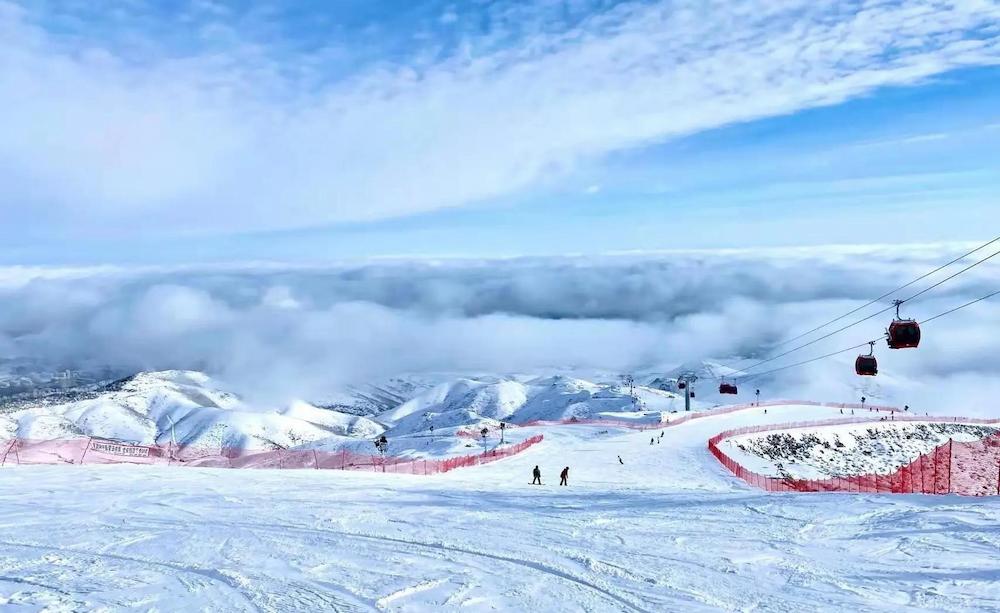
Yabuli deserves its reputation. It is the largest and most famous Heilongjiang resort, with substantial vertical, long runs, and a history of hosting national and international competitions. The terrain spans gentle beginner boulevards and steeper racing pitches, so a group with mixed ability can ski together. Conditions are cold and snow-sure in peak season. The trade-off is that Yabuli is busy and can feel corporate; English is limited off the main desk. Still, for a first serious taste of Chinese skiing with real infrastructure, it remains the safest, most complete choice in the northeast, and the training centres there explain much of China’s competitive strength on snow.
Changbaishan: The Resort Destination
Changbaishan is the northeast’s aspirational pick — a purpose-built destination resort with hotels, lifts, and a volcanic backdrop that photographs like a poster. The skiing is solid rather than extreme, oriented to comfort and families, but the setting is unmatched. Pair it with the region’s hot springs and the nearby nature reserve for a well-rounded winter trip that is as much about relaxation as slope time. For visitors comparing regions, the China vs USA skiing comparison is useful context, because Changbaishan’s resort model will feel familiar to anyone used to American destination mountains and their amenity-rich base villages.
Getting Around the Northeast
The region is well connected by high-speed rail and flights, which makes a multi-resort loop realistic without a car. Harbin is the hub; from there, trains reach Yabuli and links extend toward Jilin and Changbaishan. Internal transfers are easier and faster than in remote Xinjiang, a genuine logistical advantage for travellers who dislike long cold drives. Plan rail between hubs and use resort shuttles for the last mile, and you can sample three distinct hills in a single week with far less friction than a similar tour would involve out west in the mountains.
When to Ski the Northeast
The reliable window is December through February, with January the coldest and snow-surest. The extreme cold — routinely well below minus 20°C — is the defining challenge, so pack for genuine winter and keep extremities covered. March softens and thaws in the valleys. Because the northeast’s snow is cold and dense rather than the dry powder of Xinjiang, expect a different, grippier ride underfoot; it is forgiving for learners and predictable for confident skiers who like a firm, carvable surface through the morning before the afternoon sun touches the lower slopes.
Northeast vs Xinjiang: A Quick Note
Both regions ski well, but they suit different travellers. The northeast offers easier logistics, deeper resort heritage, and family-friendly comfort; Xinjiang offers lighter powder, bigger wilderness, and ancient-skiing romance. Many serious China skiers do both on separate trips. The China Skiing Guide compares the national options, and knowing the contrast helps you pick a region that matches your style rather than simply following where the festival crowds go each January when the ice sculptures draw the largest international attention of the year.
Frequently Asked Questions
Is Harbin good for skiing or just the ice festival?
Mostly the festival. Harbin has nearby slopes for a quick taste, but the real skiing is at Yabuli and in Jilin. Use Harbin as your arrival city and launch pad, then transfer to the hills for proper turns on snow.
Which northeast resort is best for first-timers?
Yabuli offers the most complete infrastructure and lesson system, while Changbaishan adds comfort and scenery. Both suit beginners; pick Yabuli for scale, Changbaishan for a resort-destination feel with hot springs nearby.
How cold does it get skiing in the northeast?
Commonly minus 20 to minus 30°C in January. Dress for real winter, keep batteries warm, and take frequent breaks. The dry cold is manageable with layering, but frostbite risk on exposed skin is genuine in the deep cold.
Is the northeast better than Xinjiang for skiing?
Neither is simply better. The northeast wins on logistics, heritage, and family comfort; Xinjiang wins on powder and wilderness. Choose based on your priorities — convenience and resort polish versus deep snow and remote adventure in the mountains.
Can I visit multiple northeast resorts in one trip?
Yes. High-speed rail and flights connect Harbin, Yabuli, and Jilin/Changbaishan efficiently. A rail-based loop of two or three hills in a week is practical and far less logistically painful than a comparable tour in remote western China.
What is rime ice skiing like in Jilin?
After calm cold nights, mist freezes to trees, creating gladed runs framed by ice-coated branches — visually spectacular and great for intermediate tree skiing. It is a signature Jilin experience you will not find in most other Chinese ski regions.