

China vs USA skiing is a comparison more foreign skiers should make before they book, because the two countries deliver the sport in strikingly different ways. The United States offers a mature, English-speaking resort model with legendary mountains and high prices; China offers emerging, often cheaper hills with deep northern powder and a cultural learning curve. This guide weighs the two on cost, terrain, snow, and the on-mountain experience so you can decide where your next ski trip belongs. Our China Skiing Guide is the natural companion if China wins your vote after the comparison below lands in its favour.
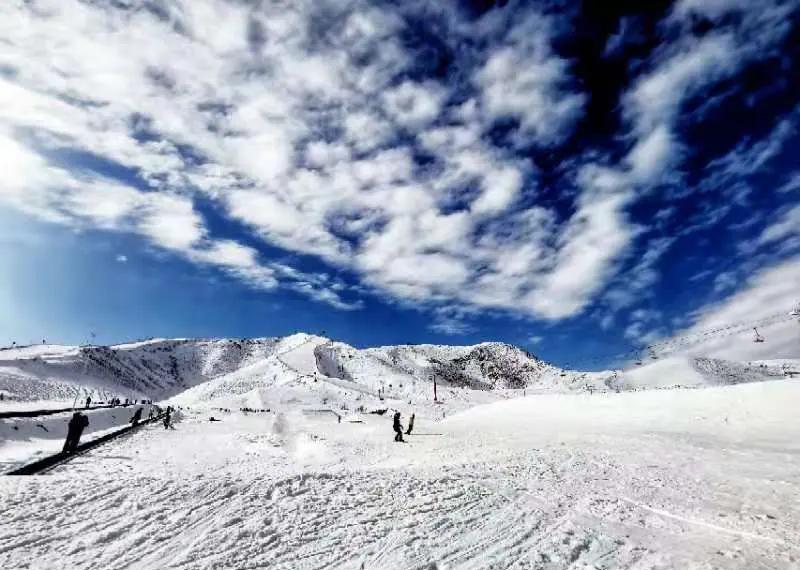
Cost: Where China Pulls Ahead
The clearest difference is money. Lift tickets, rentals, lessons, and lodging in China cost a fraction of comparable American resorts. A multi-day pass at a top Chinese hill might equal a single peak-day ticket at a famous US mountain, and food and hotels follow the same pattern. For budget-conscious skiers, this alone reframes the trip: more days on snow for the same spend. The best ski resorts in China list shows where the value is highest without sacrificing snow quality. The trade is less polish and fewer English speakers, but for many visitors the savings buy extra turns that matter more than marble base lodges and valet parking at the resort.
Terrain and Vertical
The US still leads on sheer variety and scale. American resorts like those in the Rockies offer huge vertical, vast inbound terrain, and world-class freeride zones with mature safety infrastructure. China’s terrain is younger but underrated: Xinjiang’s Altai holds dramatic steeps and deep powder, and the northeast has solid resort hills. The why Xinjiang is China’s best ski destination argument rests on exactly this terrain — big mountains and light snow. For a first China trip, expect good-to-great skiing rather than the endless acreage of a US mega-resort, and you will be pleasantly surprised by how much untracked snow you can still find.
Snow Quality
Both countries have excellent snow in the right regions. The US Rockies and Utah deliver the famous light powder; China’s Altai delivers a similarly dry, deep snow thanks to the same Siberian storm track that feeds Hokkaido. The northeast of China skews colder and denser. So on snow alone, China’s northwest can rival the best of America on a good storm day, especially in Xinjiang. The difference is consistency and grooming: US resorts invest heavily in snowmaking and piste management, while Chinese hills vary more by region and by how new the resort is, with the flagships closing the gap quickly each season.
Culture and Crowds
The on-mountain culture differs sharply. US resorts cater to a ski-savvy public with clear signage, English everywhere, and a strong safety-and-etiquette norm. Chinese resorts serve a newer, fast-growing domestic crowd: enthusiastic but less experienced, with etiquette still forming and English thin outside the flagships. Crowds are real on holiday weeks but thin midweek. The China vs Europe skiing comparison is a useful second read, because the cultural gap with Europe is smaller than with the US, yet the value story repeats. Patience and a few local phrases go a long way toward a smooth Chinese experience on the hill.
Language and Ease of Travel
Here the US wins for most foreigners: everything is in English, rentals and lessons are straightforward, and the resort model is familiar. China requires more preparation — translation apps, some Mandarin terms, and an understanding of payments and permits. The China ski travel tips for foreigners guide walks the practical setup so the language gap does not become a barrier. If you want zero friction, the US is easier; if you want adventure and value, China’s learning curve is part of the reward rather than a drawback to fear on your first visit.
Resort Amenities
American resorts generally offer plusher base villages, more dining, and refined aprés scenes. China’s top hills are catching up fast, especially in Xinjiang and around the destination resorts, but the average Chinese mountain is more functional than luxurious. You will eat well — Xinjiang’s hearty food is a highlight — but do not expect comparable spa complexes and slope-side fine dining at every hill. For travellers who rank terrain and cost above amenities, China closes the gap entirely; for those who ski as much for the village as the mountain, the US still sets the standard for comfort and the full resort experience.
Safety and Infrastructure
US resorts have decades of refined avalanche control, patrol systems, and clear boundaries. China’s safety culture is improving quickly and the major resorts are well run, but signage, patrol density, and off-piste rules can be less consistent, particularly at smaller hills. Stay inbounds, carry insurance, and respect closures. The gap is narrowing every season as Chinese resorts professionalise, yet a cautious visitor still benefits from treating unknown Chinese backcountry with more respect than they might in a familiar, patrolled American zone where boundaries and rescue are second nature to everyone.
Which Should You Choose?
Choose the USA if you value familiarity, English, amenities, and vast terrain and can pay for it. Choose China if you want extraordinary value, genuine adventure, and excellent northern powder, and you are happy to navigate a new culture. Many skiers do both — the US for a splurge trip, China for a longer, cheaper, exploratory season. Neither is “better” absolutely; they serve different travel styles, and the honest comparison above should point you to the mountain that fits the kind of ski holiday you actually want rather than the one you assume you should take.
Frequently Asked Questions
Is skiing in China cheaper than the USA?
Substantially. Lift tickets, rentals, lessons, and lodging in China typically cost a fraction of US resort prices, often letting you ski more days for the same total spend, especially outside holiday peaks when domestic demand surges.
Does China have terrain as good as America?
Not the same scale, but Xinjiang’s Altai offers dramatic steeps and deep powder that rival good US storm days. The variety and acreage of American mega-resorts still exceed China’s, but the snow quality in the right Chinese region is genuinely competitive.
Is language a big barrier for skiing in China?
It can be, off the flagship resorts. English is limited and signage is Mandarin. A translation app and a few ski terms solve most issues; the travel tips guide covers the setup so the gap rarely becomes a real problem on the hill.
Which has better snow, China or the USA?
Both have excellent snow in prime regions — Utah and the Rockies versus Xinjiang’s Altai. China’s northeast is colder and denser. On a good storm day, northwest China competes with America’s best powder, though US grooming consistency is higher overall.
Is China safer for skiing than the USA?
US resorts have more mature safety infrastructure and patrol systems. China’s major resorts are well run and improving fast, but smaller hills vary. Stay inbounds, carry insurance, and respect closures to ski China safely without trouble.
Should a first-time China skier start in Xinjiang or the northeast?
The northeast offers easier logistics and familiar resort comfort; Xinjiang offers the best powder and wilderness. First-timers wanting ease may prefer the northeast, while value-and-powder seekers should aim straight for Xinjiang’s Altai hills.