

The history of skiing in China is far older and stranger than most visitors expect. While Europe and North America built their ski cultures around alpine sport in the nineteenth century, northwestern China’s Altai mountains hold claims to some of the earliest skiing on Earth — born not from leisure but from survival in deep snow. Understanding China ski history changes how you see the slopes today, because the same dry northern storms that fed ancient hunters now fill the country’s modern resorts. Our China Skiing Guide frames the present; this article traces the long road that led there, from primitive skis to the busy lift lines of the current boom.
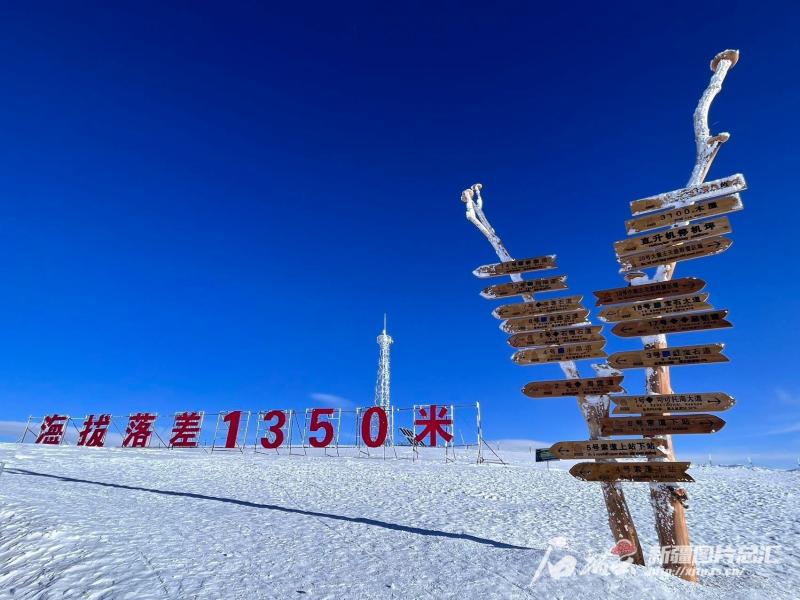
Altay: The Ancient Origins
The Altay mountains of northern Xinjiang are central to the story. Local oral tradition and rock art suggest that people of the region used wooden skis with horsehair mats to cross snowy terrain thousands of years ago, hunting and travelling through long winters. This is why some researchers call the area a birthplace of skiing, arguing that human skiing may have first taken practical form here. The skis were simple — shaped wood, sometimes fur-lined underneath for grip — but the principle was identical to modern Nordic touring. That heritage is not museum trivia; it is the reason Xinjiang markets itself as the spiritual home of the sport, and why the region leans so hard on its snow today.
Skiing as Utility, Not Sport
For most of Chinese history, sliding on snow was a tool, not a pastime. In the cold north, skis and sledges moved people, mail, and goods across frozen country that wheels could not cross. Ethnic groups in the Altai and the northeast used ski-like boards for hunting well into the twentieth century. Recreation barely existed; the idea of skiing for fun arrived with outside influence, first from Russia and later from Europe and Japan. This utilitarian past explains why China’s ski culture feels newer than its geography suggests, with the sport’s leisure side only a few decades old despite ancient roots in the snow.
The Northeast Leads the Modern Era
Organised skiing in modern China began in the northeast, where cold, snowy winters and Russian proximity made the sport natural. The famed Yabuli area in Heilongjiang hosted early domestic ski activity and later became the country’s flagship resort, even staging international competitions. The northeast’s head start meant that for decades “Chinese skiing” meant northeastern skiing — a fact the best ski resorts in China list still reflects, with several legacy hills in Heilongjiang and Jilin. But the northeast was only the opening chapter; the real explosion would come from economics and policy rather than snowfall alone.
The Boom of the 2000s and 2010s
China’s ski growth accelerated fast in the new century. Rising incomes turned winter sport from a novelty into a middle-class hobby, and a string of new resorts opened from Beijing’s fringe to the far west. Indoor ski domes appeared in southern cities with no snow at all, proof of demand divorced from climate. Then the 2022 Beijing Winter Olympics became the catalytic moment: infrastructure investment, media attention, and a national push to get millions of citizens on skis poured fuel on an already growing fire. Resorts expanded, lesson programmes scaled, and foreign visitors began to notice that China had quietly become a serious ski destination with real vertical and reliable snow in the right regions.
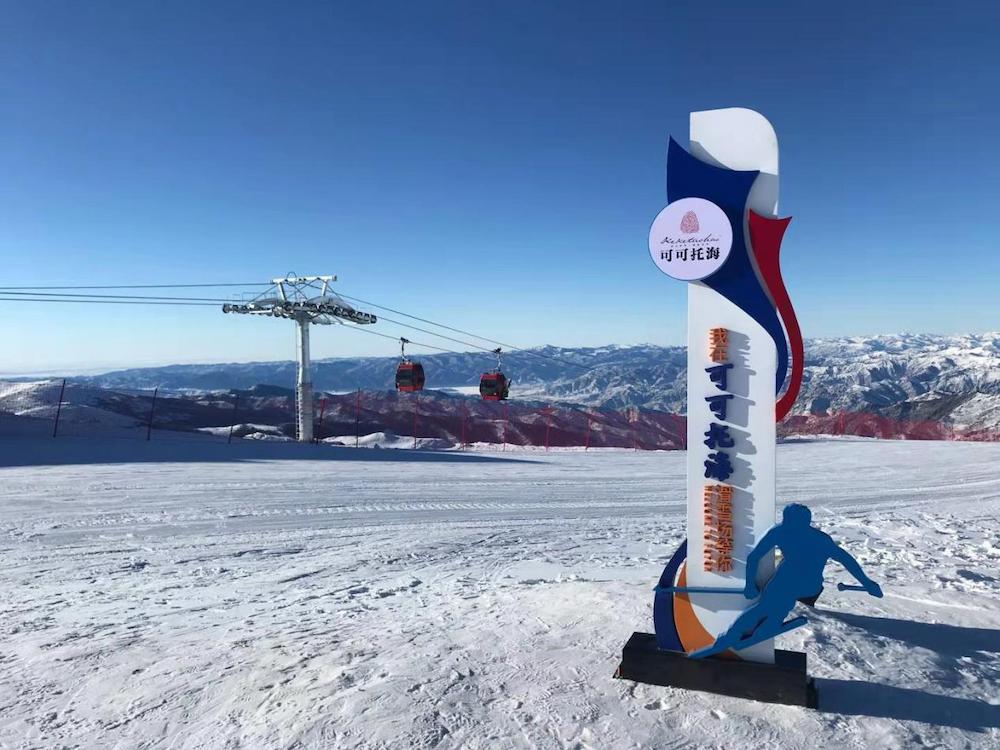
Xinjiang Enters the Spotlight
While the northeast built first, Xinjiang’s Altai and Tianshan ranges offered something the east could not: deep, dry, plentiful powder and dramatic mountain terrain. In the last two decades Xinjiang developed resorts like Jiangjunshan, Cocoa Tuohai, and the Tianshan hills near Urumqi, marketing both the snow quality and the ancient-skiing heritage. The region’s Chinese ski terms glossary and signage now serve a growing international crowd, but the local story is older than any lift. Xinjiang’s pitch is compelling: ski the birthplace of the sport, then ride some of its best new powder, all in one trip that links deep history to fresh tracks.
From Elite to Mass Sport
Perhaps the biggest shift in China ski history is who skis. What was once a niche pursuit for the wealthy or the military is now a marketed family activity, with gentle learn-to-ski areas, cheap lessons, and package deals aimed at first-timers. Resorts compete on convenience and beginner friendliness as much as on terrain. This democratisation is why you now meet children on magic carpets and grandparents in the lodge — a social change as significant as any new chairlift, and one that reshaped how resorts are designed across the country over a single generation of growth.
Competitions and International Standing
China’s competitive skiing arrived later but has grown quickly, aided by the Olympic spotlight and heavy talent investment. Domestic races, freestyle events, and cross-border competitions now dot the calendar, and Chinese athletes compete across alpine, freestyle, and Nordic disciplines. Hosting the Winter Olympics cemented international standing and left a legacy of venues and coaching that trickles down to recreational skiers through better instruction and safer, better-run hills. The skiing in Northeast China piece shows where much of that competitive heritage still lives in training centres and legacy resorts today.
What the History Means for Visitors
For a foreign skier, the takeaway is practical. China’s resorts are young but well funded, the snow in the north is genuinely good, and the culture is still welcoming newcomers rather than guarding old hierarchies. You can ski a millennia-old tradition of snow travel and a brand-new express chairlift in the same region. Appreciating that arc makes a visit richer: when you rope up at an Altai resort, you are sliding on the same storms that once carried ancient hunters, now groomed and lifted for pleasure rather than survival in the cold.
Frequently Asked Questions
Where did skiing in China begin?
The strongest claim points to the Altay mountains of northern Xinjiang, where ancient rock art and local tradition describe skiing-like travel on wooden skis thousands of years ago for hunting and transport through deep snow.
Is Altay really the birthplace of skiing?
It is argued to be one of the earliest centres of human skiing, based on archaeology and oral heritage. While “birthplace” is a bold claim, the Altai’s ancient ski tradition is genuinely among the world’s oldest documented forms of snow sliding.
When did modern recreational skiing start in China?
Organised modern skiing began in the northeast in the twentieth century, influenced by Russia, with Yabuli in Heilongjiang becoming the early flagship. Mass recreational growth came in the 2000s and surged after the 2022 Winter Olympics.
Why did skiing grow so fast in China?
Rising incomes, indoor and outdoor resort investment, and the national push around the Beijing Winter Olympics all combined. The sport shifted from elite novelty to a marketed family activity within roughly two decades of rapid expansion.
How is Xinjiang’s ski history different from the northeast’s?
Xinjiang claims ancient Altay origins and adds dry powder and big mountain terrain, while the northeast led the modern competitive era with legacy resorts like Yabuli. Both matter, but they represent different chapters of the same national story.
Does China’s ski history affect the slopes today?
Yes. The Olympic legacy improved coaching and safety, the northeast’s competitive heritage trains athletes, and Xinjiang’s ancient-skiing branding shapes how the west markets its snow. History is visible in both the culture and the infrastructure you ski.