

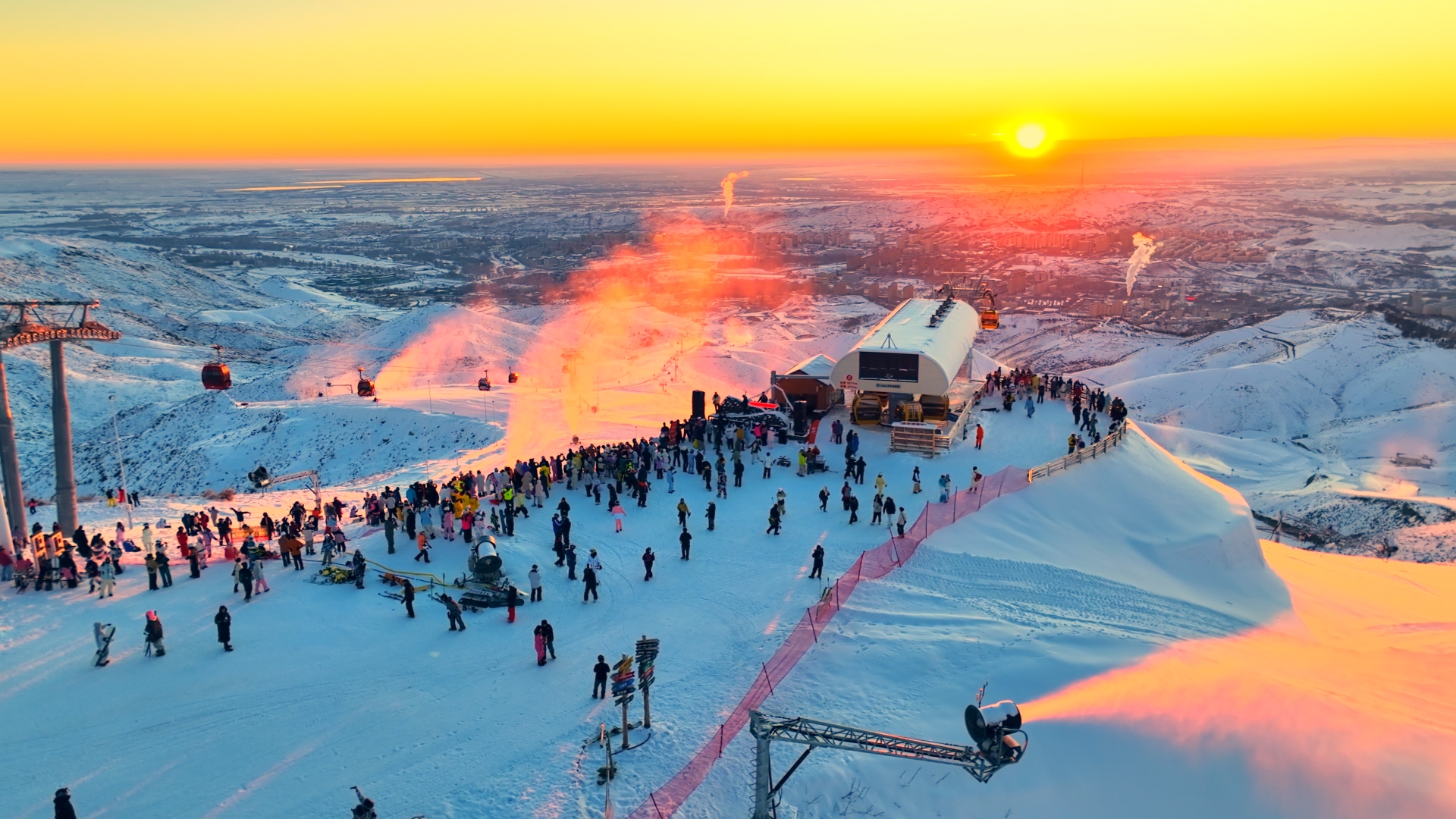
Downhill resorts get the headlines, but the quiet heart of Xinjiang’s winter is on the flat and the skin track. Cross-country skiing in Xinjiang opens up a landscape most visitors never see — frozen river valleys, silent spruce forests, and endless rolling grassland that turns into a perfect white track. Whether you want groomed loops near a town or multi-day touring through the Altai, the region is one of the best-kept secrets in Asian Nordic skiing, and it costs a fraction of a lift ticket to explore.
Why Touring Suits Xinjiang
Xinjiang’s geography is made for it. The Altai in the far north is a low, folded mountain range with deep snow and gentle terrain — exactly what classic and skate skiers want. Further south, the Tianshan offers bigger objectives for those ready to earn their turns with climbing skins. The dry climate means the snow is light and the glide is fast, and you rarely fight the heavy, wet snow that plagues maritime climates. A clear winter day on a frozen Xinjiang lake, with nothing but spruce and silence around you, is the kind of experience downhill lifts cannot deliver.
If you are new to the sport, start by understanding where to ski in Xinjiang, because the best touring zones are often away from the lift-served mountains entirely, in valleys and pastures that double as ski highways in winter.
Classic Cross-Country vs Ski Touring
Classic cross-country (and its faster cousin, skate skiing) is about efficient gliding on prepared or naturally packed trails. Ski touring — sometimes called backcountry or alpine touring — uses climbing skins to go uphill and skis built for descent. Xinjiang offers both, and many visitors blend them: a morning on groomed tracks, an afternoon skinning up a quiet ridge.
For those drawn to untracked lines, our backcountry skiing in Xinjiang guide covers the mindset and the terrain, while off-piste skiing in Xinjiang explains how lift-accessed side-country differs from true touring, and where each is permitted.
Where to Go
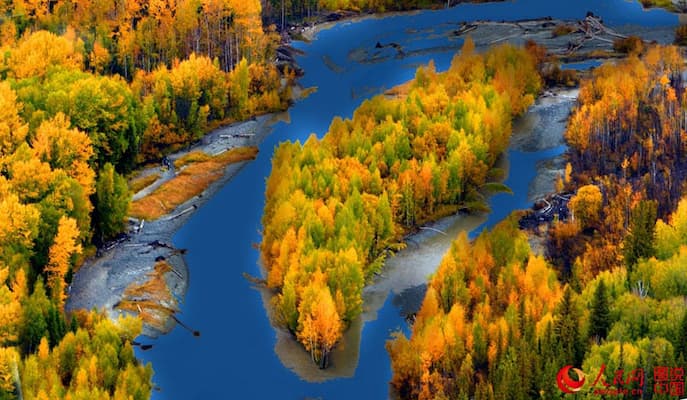
The Altai around Altay town and Hemu village has the gentlest, most scenic Nordic terrain, with long valley tracks and frozen lakes you can skate across. The Tianshan near Urumqi gives quicker access for day tours. For a real expedition feel, the remote northern valleys near the Kazakhstan and Mongolia borders offer multi-day routes, though these need permits and a guide.
- Hemu and Kanas valleys — classic scenic tracks through forest and frozen water, with cabin stays along the way.
- Altay town surrounds — easy groomed loops and beginner-friendly flats right outside the city.
- Tianshan day tours — bigger climbs, bigger views, closer to the airport for a quick fix.
- Border valleys — remote multi-day tours for experienced parties only, with a local guide.
Gear You Will Need
For classic skiing you need waxed or fish-scale skis, boots, and poles; for touring you need alpine-touring bindings, skins, and avalanche safety kit if you leave the valley. You do not have to own it — the Xinjiang ski equipment rental network covers Nordic kit in the main towns, though touring-specific gear is rarer, so reserve ahead and confirm the exact boots and bindings.
Clothing is lighter than downhill: you generate heat fast, so dress in breathable layers and carry a wind shell. A small pack with water, food, and a repair kit is essential on longer tours. Wax choice matters more than beginners expect — a good glide wax on a cold, dry day is the difference between a slog and a glide.
Safety and Etiquette
Touring takes you beyond patrol boundaries, so self-sufficiency matters. Learn the daily avalanche forecast, tell someone your route, and never tour alone in unfamiliar terrain. Our Xinjiang ski safety guide covers altitude and rescue basics that apply off the groomed runs too. Yield to faster skiers, skate on the right lane, and pack out everything you bring in. On shared frozen lakes, watch for fishermen’s holes and give them a wide berth.
Learning as You Go
If you have never skied Nordic, take a two-hour lesson before striking out. The diagonal stride looks simple and has a real technique; a short clinic saves a week of frustration. Altay town and the Urumqi resorts both run introductory sessions, and guide services can lead a gentle first tour so you learn route-finding and kick-turns in the field rather than from a video.
Family and First-Timer Nordic Days
Nordic skiing is one of the most family-friendly ways to enjoy a Xinjiang winter. Flat tracks let children and cautious adults find a rhythm without the fear of a fast pitch, and a planned loop always ends back where you started. Pack a thermos and a picnic, and a short outing becomes a half-day adventure the kids remember more than any chairlift. Many valley trails pass homesteads where you can buy warm milk tea from locals, which is both a break and a small cultural moment.
For first-timers, the single biggest tip is to relax the ankle and let the ski do the work — fighting the glide exhausts you in minutes. Spend the first session on a wide, packed loop, ignore speed, and focus on a steady diagonal stride. Within an hour most beginners are cruising, and within a day they are ready for a gentle forest tour. Guides can tailor the distance to the slowest member, so nobody feels rushed or left behind on a family day out.
If you want to progress to touring, build fitness on classic tracks first. Touring demands strong legs for the climb and confident downhill control for the descent, so a few Nordic days beforehand pay off massively when you finally skin up a quiet ridge and earn a silent powder turn. Do not overlook the simple joy of a night ski on lit Nordic loops either; several towns groom floodlit tracks, and a calm evening glide under the stars, with the cold sharp and the world quiet, is a different kind of magic from the busy downhill slopes.
Frequently Asked Questions
Do I need my own gear for cross-country skiing in Xinjiang?
No. Main towns rent Nordic packages, though touring-specific equipment is limited, so book early. Bring your own boots if you have a precise fit preference, and pack your preferred poles if you are tall.
Is cross-country skiing good for beginners?
Yes. Flat, groomed valley tracks are forgiving and a great workout. Take a short lesson in Altay town or near Urumqi to learn the diagonal stride and you will be gliding within a morning.
Can I tour without avalanche training?
Stick to valley and groomed routes if you have no training. Any uphill touring into avalanche terrain requires a course, a partner, and beacon-shovel-probe at minimum, plus the local forecast read daily.
Where is the most scenic Nordic skiing?
The Hemu and Kanas valleys in the Altai are hard to beat — frozen lakes, spruce forest, and snow-laden cabins. They are also the most photographed winter landscapes in the region, and you can stay in them.
How cold does it get on tours?
Mid-winter mornings can drop well below minus twenty, but you warm up quickly once moving. Late season is milder and ideal for longer tours, with longer daylight to match.
Can I combine Nordic and downhill in one trip?
Easily. Base at a resort for downhill days, then take a guided Nordic tour on a rest day. Many visitors do three downhill days and one touring day to sample both sides of Xinjiang winter.