
Every week I hear the same practical questions from skiers eyeing Xinjiang for the first time. This Xinjiang skiing FAQ collects the 25 I hear most, spanning visas, snow, cost, safety, resorts, and gear, so you can plan with real confidence. Treat it as the quick-reference companion to our longer Xinjiang Skiing Guide — bookmark this page, then dive into the detailed guides when you need depth on a particular topic. The questions below are grouped by theme so you can scan to what matters for your stage of planning, whether that is paperwork, packing, or picking a resort.
Xinjiang is still a relatively unknown ski destination internationally, which is precisely why so many of these questions come up — the information simply is not as widely circulated as it is for the Alps or Japan. That gap is closing fast as more riders discover the dry Altai powder, but for now a single consolidated FAQ saves you the digging. If your question is not answered here, the individual guides linked throughout cover each topic in far more detail, and they are kept current as the region’s resorts expand and improve.
Planning and Access
Do I need a special visa for Xinjiang?
No. A standard Chinese tourist visa covers Xinjiang and its ski resorts. The separate visa and permits guide walks through the documents and any border-permit edge cases for remote detours, so read that before you apply.
When is the ski season?
Late November to early April, with the deepest, most reliable snow in January and February. The best time guide maps it month by month so you can target the right window for powder rather than slush.
How do I get to the resorts?
Fly into Urumqi or Altay, then transfer by shuttle or taxi. The getting-there guide covers flights, trains, and the road transfers that follow, including how long each hop realistically takes in winter.
Which region should I pick?
Altai for powder and wilderness; Tianshan around Urumqi for convenience and English signage. The resort directory compares the two clusters in detail, including which hills suit which kind of skier.
How many days do I need?
Five to seven for one cluster; ten to fourteen to combine the Altai and the Tianshan comfortably with travel buffers for weather and transfers between regions.
Snow, Weather and Altitude
How good is the snow?
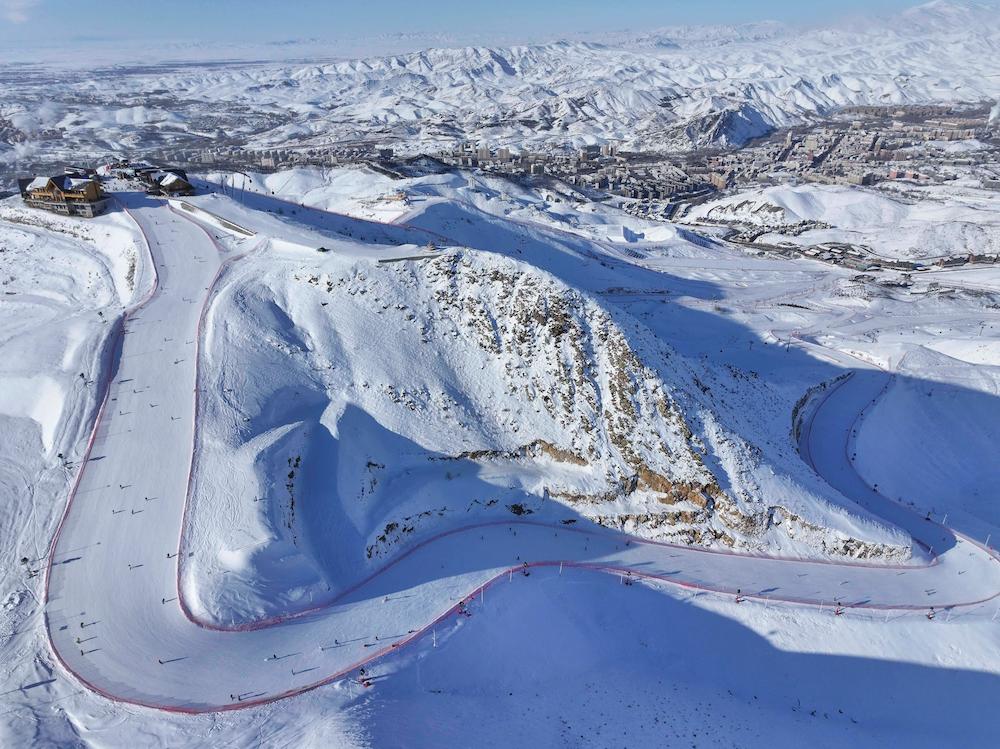
The Altai gets dry, deep powder; the Tianshan offers reliable groomers backed by snowmaking. The snow quality comparison ranks each hill by base depth and consistency so you can match terrain to your ability.
How cold does it get?
Urumqi near minus 15°C in January; the Altai can hit minus 30°C. Layer properly and the dry cold is far more comfortable than a damp alpine freeze, especially once you are moving.
Will altitude affect me?
Somewhat at first, especially arriving from sea level. Arrive a day early, hydrate, and ski gently. The dedicated safety and altitude guide explains how to adjust without losing ski days to a headache.
Is the weather mostly sunny?
Yes — dry and sunny more often than not, which keeps the snow light and the skies photogenic. The weather guide has the full picture by month, including the short daylight window.
Can I ski in March?
Yes — softer snow, warmer days, and fewer crowds make it ideal for families and first-timers alike, though the highest resorts hold the best cover late in the month.
Cost and Budget
How much does a trip cost?
Far less than Europe or Japan for comparable snow. The trip cost guide breaks down flights, lodging, lift tickets, and food per person, and shows why a Xinjiang week undercuts almost any Alpine alternative.
Are lift tickets cheap?
Yes, by global standards. The lift ticket guide lists current prices by hill and pass type, and multi-day passes bring the per-day rate down further for longer stays.
Is gear rental decent?
Yes and inexpensive, especially at the Tianshan flagships. The rental guide covers options, quality, and booking, and notes where to bring your own for a precise fit.
Can I ski on a budget?
Easily — the Altai city resort is outstanding value. The cheap resorts guide points to the lowest-cost hills without sacrificing the core experience of skiing dry northern powder.
Are there luxury options?
Yes, mainly in the Tianshan near Urumqi. The luxury guide lists the higher-end lodges and services for travellers who want comfort alongside their vertical metres.
Lessons, Families and Beginners
Can beginners ski Xinjiang?
Absolutely — the Tianshan has wide, gentle slopes. The beginner guide builds a first-timer plan from scratch, including which resort to learn at and how many days to budget.
Are English lessons available?
At bigger resorts, yes — but book ahead, because English instructors are limited. The lessons guide explains how and when to reserve so you are not stuck with a language gap.
Is it family-friendly?
Yes. The family resorts guide shortlists the calmest, most kid-friendly hills in each cluster, with notes on lodging and gentle terrain that keeps younger skiers happy.
Which resort is best for kids?
Sun Mountain and Silk Road lead for gentle, family-paced slopes with good facilities and easy logistics, plus the snowmaking that keeps coverage reliable for learners.
Do I need to speak Chinese?
No, but a translation app helps outside the flagship hills, where English signage thins out quickly and a little preparation saves confusion at the ticket window.
Safety and Extras
Is Xinjiang safe for foreigners?
Yes — the main risks are weather and altitude, not security. Resorts, airports, and highways are well maintained in winter, and staff are accustomed to international visitors.
Can I ski off-piste?
Yes, with a partner or guide and proper gear. The backcountry guide is essential reading before you stray from the piste, because unpatrolled terrain demands real self-sufficiency.
Is heli-skiing available?
Yes, mainly in the Altai. The heli-skiing guide covers operators, cost, and who it suits, and explains why the region’s dry snow makes it such a compelling destination.
What should I pack?
Real cold-weather layers and warm spare batteries. The packing list has the complete kit by month, including the items visitors from milder climates tend to forget.
What is there to do off the slopes?
Hot springs, local food, and culture. The après-ski guide lists the best recovery spots by region, from Urumqi canteens to Altai village soaks after a cold morning.
Can I combine Xinjiang with other China skiing?
Yes — the national skiing guide shows how Xinjiang fits the broader picture alongside the northeast and Beijing, and how to chain regions by flight or train.
Frequently Asked Questions
Is Xinjiang worth the effort versus Japan?
If you want dry powder, low cost, and empty slopes, yes — the dedicated Xinjiang versus Japan comparison lays out the trade-offs honestly so you can decide what fits your trip.
What is the one thing to book first?
Your visa, then flights — everything else follows. The itinerary guide helps you sequence the rest of the plan once the passport is sorted and dates are set.
Do resorts have night skiing?
Several do, especially Jiangjunshan above Altay city, where floodlit runs make the most of the short winter daylight and turn a transfer day into bonus vertical.