

Understanding the Xinjiang ski weather is the key to packing right and picking the perfect week. Xinjiang’s continental climate means big temperature swings, abundant dry snow, and brilliant sunshine between storms. Unlike coastal resorts, the air here is cold and crisp, which keeps the powder light instead of heavy and wet. For first-time visitors from milder climates, the cold can be a shock, but it is precisely this cold that creates the legendary snow. Below is a clear month-by-month breakdown of what to expect, from the November opener through the April close, so you can match your trip to the conditions you prefer.
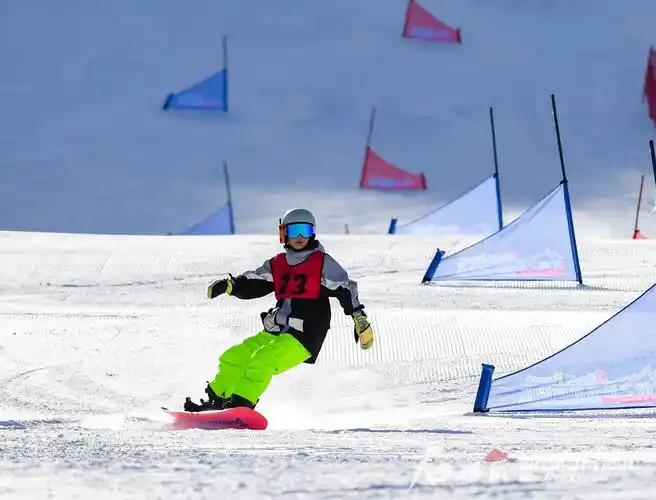
Understanding Xinjiang’s Ski Weather
Xinjiang sits deep inland, far from any ocean, so its winters are dry and severely cold at altitude. Daytime highs on the mountain often sit well below freezing, while nights plunge further. The upside is low humidity, which means frequent bluebird days after each snowfall and almost no heavy, sticky snow. The Xinjiang ski season lines up with the coldest, snowiest stretch of the year, so planning around the temperature curve pays off. Clear skies are common, which also means strong high-altitude sun, so eye and skin protection matter even when it is freezing.
Xinjiang Ski Weather by Month
November
Early season is the coldest opener, with daytime summit temperatures around -10 to -15 C and nights near -20 C. Snow is building, skies are often clear, and the thin air is bracing. Dress in full insulation and expect limited terrain. The bright low-angle sun makes for beautiful photos, and the quiet slopes are a treat for anyone who does not mind the cold.
December
December settles into steady winter. Daytime highs range from -8 to -14 C, with regular snowfalls topping up the base. This is when the mountains start to look reliably white top to bottom. Holiday lights appear in the base villages, and the atmosphere turns festive without the extreme crowds of February.
January
January is the deep cold and deep powder month. Expect -12 to -18 C by day and the lightest, driest snow of the year. The best time to ski in Xinjiang is squarely here for powder hunters, but you must respect the cold with proper layering, heated gear, and short breaks indoors to avoid frostbite on exposed skin.
February
Similar to January but with slightly longer daylight. Temperatures hover -10 to -16 C, and the snowpack is at its deepest. The lunar new year period brings crowds but also festive atmosphere, special events, and often night skiing under fireworks. Book lifts and lessons early if you travel during the holiday window.
March
Spring arrives gently. Daytime highs climb to -2 to -8 C, the sun feels warm, and snow softens by afternoon. Mornings stay firm and excellent for carving, while lunchtime turns slushy on south faces. It is the most comfortable month for beginners and families who want to enjoy the mountain without fighting the deep cold.
April
The closing month is variable: sunny and mild near 0 C on good days, but late storms can still bring heavy snow. Only high resorts operate, usually on weekends. Clear spring days offer the warmest, brightest skiing of the year, though coverage shrinks and lower runs close first as the base melts.
Temperature Ranges Across Xinjiang Ski Resorts
Northern Altay runs colder than the Tianshan resorts to the south, often 3 to 5 degrees lower. Valley bases are warmer than summits, so always check the mountain-top forecast rather than the city reading. Wind also matters: exposed ridges feel far colder, and the Xinjiang ski clothing layering system exists precisely to handle these swings between a sunny base and a frigid peak. A good rule is to dress for the summit temperature, not the village one.
How Weather Affects Snow Conditions
Cold, dry air produces the fabled Xinjiang powder: low moisture means feathers of snow rather than heavy clumps. Warm spells in March turn the surface to spring corn, which is fast and fun but icy early if you sleep in. Wind can relocate snow into deep lee drifts, creating hidden stashes for those who know where to look, while also building dangerous wind slabs on exposed terrain. Reading the daily weather is therefore not just comfort, it is safety.
What to Wear for Xinjiang Ski Weather
- A thermal base layer plus an insulating mid layer and a windproof shell.
- Warm gloves, a buff, and goggles rated for bright sun and cold.
- Hand and foot warmers for the deepest January cold snaps.
- Sun protection: the high-altitude UV is intense even when it is freezing.
- Pack both lightweight and heavy options if you ski across months.
- A spare dry layer for kids and anyone sensitive to the cold.
Reading the Daily Forecast Before You Ride
Because conditions change fast, check the resort’s mountain report each morning. Look at summit wind, new snowfall in the last 24 hours, and the temperature trend through the day. A calm, cold, clear morning after an overnight dump is the gold standard, while rising temperatures and strong wind suggest skiing early and quitting before the slush or chairs close. Planning your sessions around the weather is the single best way to enjoy Xinjiang’s mountains safely.
Best Month for Different Types of Skiers
The “best” month really depends on who is asking. Hardcore powder hunters should target January, when cold and frequent storms create the lightest snow and the deepest base. Families with young children will find March far kinder, with warmer sun and shorter, more manageable days on the snow. Freeride photographers often prefer February, when the light is good and the terrain is fully open after the early-season build. Budget travelers win in November and April, when tickets and lodgings drop and the slopes are empty, even if terrain is limited. Matching your month to your priority is the simplest way to love Xinjiang.
How Climate Trends Are Shifting the Calendar
In recent years, warmer autumns have occasionally delayed November openings, while bigger individual storms still deliver huge dumps mid-winter. Resorts respond with more snowmaking and flexible dates, so the published season remains dependable even as weather grows less predictable. Following the live Xinjiang ski resort updates each fall is the smartest way to catch the exact opener and avoid a wasted early trip.
Frequently Asked Questions
How cold does it get skiing in Xinjiang?
Daytime mountain temperatures typically range from -18 C in deep January cold snaps to around 0 C in April, with nights much colder, especially in the Altay region where the continental climate is most extreme.
Which month has the best weather for skiing in Xinjiang?
January and February combine the most reliable snow with manageable cold, while March offers the sunniest, most comfortable conditions for less experienced riders and families.
Does it snow a lot in Xinjiang during ski season?
Yes. The region’s continental climate delivers frequent dry snowfalls, especially from December through February, building a deep, long-lasting base that supports the long season.
Is the sun strong when skiing in Xinjiang?
Very. High altitude and low humidity mean intense UV even in freezing weather, so sunscreen, lipscreen, and quality goggles are essential every day on the mountain.
Are Xinjiang ski resorts windy?
Exposed ridgelines can be windy and feel much colder, though valley lifts and sheltered slopes are usually calm and comfortable, which is where most intermediate skiers spend their day.
What is the warmest month you can still ski in Xinjiang?
April is the warmest, with near-freezing days, but only the highest resorts stay open, typically on a weekend schedule, until the season ends in early to mid-spring.