

If you are planning a ski trip to China’s northwest, the first question is always the same: when can you actually ski? The short answer is that the Xinjiang ski season typically opens in late November and runs until early April, giving riders a reliable four-to-five-month window. Because Xinjiang sits at high latitude and altitude, its mountains catch cold, dry snow early and hold it longer than almost anywhere else in the country. For international visitors used to shorter European or North American seasons, this extended calendar is one of the region’s biggest draws. This guide breaks down the exact dates, how long each resort stays open, and what to expect month by month so you can book with confidence and avoid showing up to closed lifts.
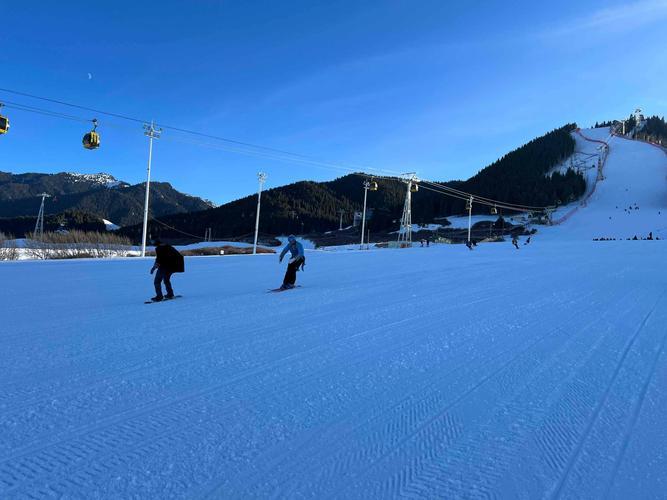
When Does the Xinjiang Ski Season Start and End?
Most major resorts in the Altay and Tianshan ranges open their lifts around November 20 to December 1, once the base layer is deep enough for safe grooming. Closing dates cluster in late March and early April. The best time to ski in Xinjiang is January and February, when the snowpack is deepest and the cold keeps the powder light. Smaller village hills may open earlier for weekends, while glacier-fed slopes near Altay can stretch into mid-April during good years. It is worth checking each resort’s official calendar, because opening weekends sometimes operate on limited terrain until the full mountain is ready.
Opening and Closing Dates by Major Resort
While the overall window is consistent, individual resorts vary. In the Altay region, the birthplace of skiing in China, the big destination resorts tend to open around November 25 and close near April 5. The Tianshan resorts around Urumqi often open slightly earlier, sometimes in mid-November, and close in late March. Southern Xinjiang’s smaller hills have the shortest seasons, frequently opening in December and wrapping up by mid-March. If maximum season length matters to you, the Xinjiang skiing guide covers which mountains stay open longest and why altitude makes the difference.
Month-by-Month Breakdown of the Xinjiang Ski Season
November — Early Opening
The season begins quietly. Early November brings the first storms, but many resorts only run limited terrain. By late November, top-to-bottom coverage is usually in place. Expect colder nights, shorter daylight, and the lowest crowds of the year. Lift tickets are cheapest now, and you may have freshly groomed slopes almost to yourself, though some upper glades remain closed until the base firms up.
December to February — Peak Season
This is the heart of winter. December sees the base build, January delivers the deepest powder, and February combines excellent snow with the lunar new year holiday rush. If you want the famous Xinjiang shoulder season value, skip the holidays and aim for late January or early March instead. During peak months the resorts run full schedules, night skiing kicks in, and all terrain typically opens, including the higher bowls that define Xinjiang’s reputation.
March — Spring Skiing
March is a hidden gem. Days grow longer and warmer, the snow stays soft in the morning and slushy by afternoon, and prices drop. It is ideal for relaxed carving and family trips. The snowpack is still deep from winter, so coverage is rarely a problem, and the sunny afternoons make for pleasant apres-ski. Many riders consider late March the sweet spot for combining good snow with comfortable weather.
April — Closing
By April, only the highest resorts remain open, and even they begin weekend-only operation. Spring storms can still dump fresh snow, but the season winds down as temperatures climb and the base thins on south-facing slopes. If you are chasing closing-day parties and late-season powder, target the high alpine resorts that hold snow the longest.
How Long Can You Ski in Xinjiang?
On average, the rideable season lasts about 130 to 150 days, though this varies by elevation. High alpine resorts such as those near Altay and the Tianshan peaks enjoy the longest windows, while lower foothill areas close sooner. The Xinjiang ski weather and snow report is the best live indicator of how the season is tracking year to year, and many resorts publish base depth and open-run counts daily through the winter.
Factors That Affect the Xinjiang Snow Season
Several variables shape the calendar. Altitude is the biggest: higher slopes stay colder and hold snow longer. Latitude matters too, with northern Altay opening slightly later but closing later thanks to persistent cold. Annual snowfall swings the opening date by one to three weeks, and resort investment in snowmaking now buffers thin early-season stretches. Finally, major holidays pull crowds and can extend operating hours even as natural snow thins. Wind and sun exposure also matter: north-facing slopes retain snow far better than sunny southern aspects as spring approaches.
Early Season vs Late Season Conditions
Early season rewards patience and flexibility. You get empty slopes and low prices, but terrain is limited and thin spots may lurk under cover. Late season trades quantity for comfort: longer days, warmer sun, and soft snow, though icy mornings and closed lower runs become more common. Neither is “better” — they simply suit different goals, whether that is saving money, avoiding lines, or skiing in a T-shirt at lunch.
How Snowmaking Extends the Season
Modern Xinjiang resorts have invested heavily in snowmaking, which stabilizes the calendar. Gun-generated base layers let resorts open on schedule even after a dry autumn, and top-ups through the spring keep marginal runs skiable. This means the published season dates are more reliable now than a decade ago, reducing the risk of a trip ruined by a late start or early melt.
Tips for Planning Around the Xinjiang Ski Season
- Book January to February for the deepest, most reliable powder.
- Choose March for low prices, long sunny days, and smaller lift lines.
- Watch the live snow report before locking in November or April dates.
- Pair your ski days with the top Xinjiang ski resorts that match your ability level.
- Reserve accommodation early for the lunar new year peak, when rooms sell out fast.
- Build a flexible itinerary so a warm spell or storm does not waste your whole trip.
Frequently Asked Questions
What month does ski season start in Xinjiang?
Most resorts open in late November, typically between November 20 and December 1, once the base snow is sufficient for grooming and safe riding. A few Tianshan resorts open as early as mid-November.
When does the Xinjiang ski season end?
The season generally closes in late March to early April, with the highest alpine resorts sometimes operating into mid-April during strong snow years and on weekend schedules.
How many days can you ski in Xinjiang each year?
On average you can ski for about 130 to 150 days per season, depending on the resort’s elevation and that year’s snowfall. Higher resorts enjoy the longest windows.
Is March a good time to ski in Xinjiang?
Yes. March offers spring snow, sunny days, shorter lines, and lower prices, making it one of the best value months for relaxed skiing and family trips alike.
Which month has the best powder in Xinjiang?
January and February deliver the deepest, lightest powder because sustained cold keeps the snow dry and the base at its thickest, with the most reliable coverage across all terrain.
Does altitude change the Xinjiang ski season length?
Significantly. Higher resorts open with better coverage and close later, while lower foothill areas have a shorter, more weather-dependent season that can end weeks earlier.