

A ski trip to Xinjiang is wasted if you cannot show anyone the light. The region’s mountains — from the Altai ranges in the far north to the Tianshan above Urumqi — deliver a quality of alpine light that few places on earth can match: thin, dry air, vast snowfields, and a low sun that turns the ridges gold for an hour at dawn and dusk. This guide to Xinjiang ski trip photography covers the gear, the settings, and the shot list that turn a good holiday into a gallery worth sharing, whether you shoot on a phone or a professional body.
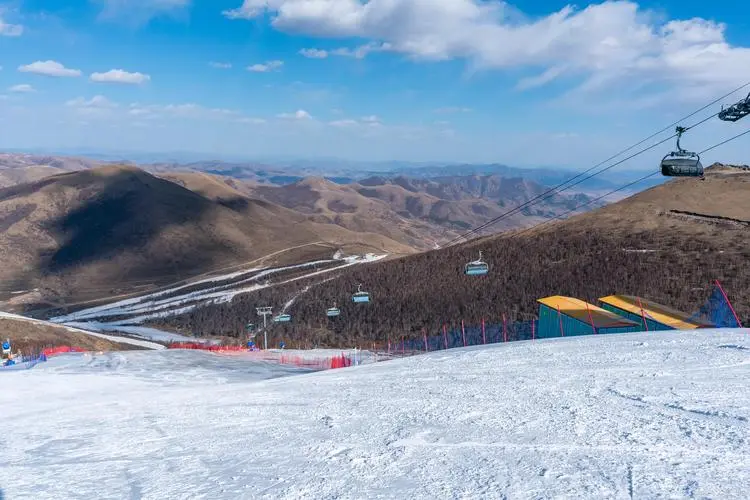
Why Xinjiang Is a Photographer’s Mountain
The snow here is dry and bright, which means clean highlights and deep blues in the shadows — exactly what a camera loves. Combined with the cultural texture of the Silk Road, every run can frame a skier against a backdrop of prayer-flagged passes or frozen lakes. Our broader Xinjiang skiing guide explains how the terrain varies resort to resort, and that variety is a gift to anyone building a photo story across a single trip.
Light is the real subject. Because Xinjiang sits at a high latitude and altitude, the golden hours are long and the midday glare is harsh. Plan shoots for the first two hours after lifts open and the last ninety minutes before close, and you will come home with images that look nothing like the flat, washed-out snapshots most visitors manage.
Choosing Your Camera Kit
You do not need a flagship camera to make strong images, but you do need the right tool for the cold. Phones now shoot excellent stills and video, and they are the least fussy in extreme temperatures. A mirrorless body with a weather-sealed body and a mid-range zoom (24-70mm equivalent) is the sweet spot for most visiting skiers who want more control.
- Wide zoom (16-35mm): For dramatic slope-and-sky frames and tight tree-skiing shots.
- Standard zoom (24-70mm): The everyday lens for action and portraits.
- Telephoto (70-200mm): To compress the mountain and isolate a skier carving a distant face.
- Action camera: Helmet-mounted for first-person powder footage.
- Spare batteries: Cold kills them; carry three times what you think you need.
Cold-Weather Camera Care
Batteries drain fast below freezing, condensation forms when you step indoors, and static in dry snow can attract dust. The fixes are simple but easy to forget in the moment. Keep one battery in an inside pocket against your body; swap when the viewfinder dims. When you return to a warm room, leave the camera in its bag until it reaches room temperature, so moisture condenses on the bag, not the lens. For drone users, our Xinjiang drone photography guide covers the extra battery and altitude rules that apply to flying above the resorts.
Composition: Making the Mountain Read
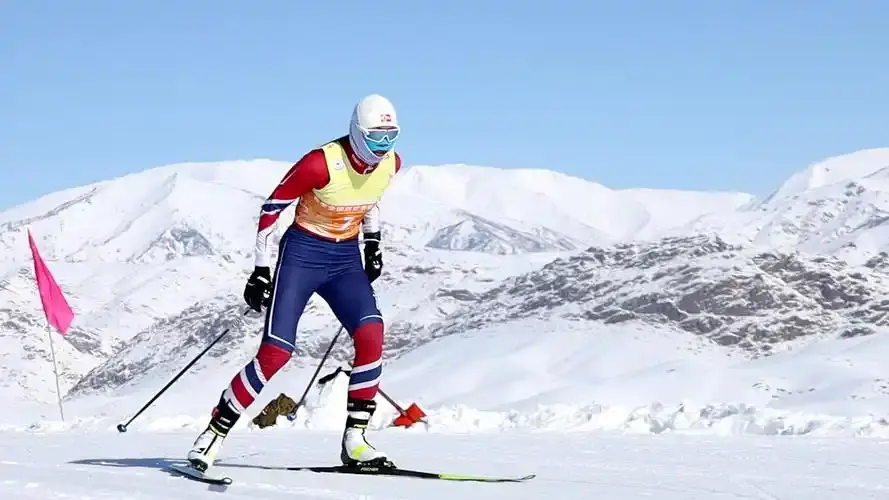
A great ski photo shows scale, speed, and place. Use a human figure — a friend on the ridge, a lift rider, a distant skier — to give the snow its size. Shoot from below the subject when you want them to loom heroic against the sky, and from above when you want the sweep of the piste. Leading lines, such as a groomed corduroy run or a row of pines, pull the eye into the frame.
Frame the culture too. A steaming bowl of laghman outside a wooden ski lodge, a herder’s horse trail crossing your path, or the blue hour over a frozen lake — these are the images that separate a Xinjiang album from any other mountain holiday. The best Xinjiang ski resort photo spots are often just off the marked runs, where the scenery opens up and the crowds thin.
Timing the Light and the Snow
Snow quality and light change together. Fresh powder on a clear morning after a storm is the holy grail; the best time to ski Xinjiang guide breaks down which months deliver that combination most reliably. Bluebird days after snowfall give you the cleanest whites and the deepest skies, while overcast days flatten contrast — useful for even, flattering portraits but weak for dramatic landscapes.
Action Shots: Freezing and Panning
To freeze a spray of snow, use a fast shutter (1/1000s or quicker) and burst mode. To convey speed, slow the shutter to about 1/60s and pan with the skier, so they stay sharp while the background streaks. Both techniques need practice, so spend your first morning on a gentle slope before trying them on a steep face. Pole plants, spray, and the skier’s expression are what sell the motion.
Where to Point the Lens
Different resorts reward different approaches. Wide-open powder fields suit sweeping wide-angle landscapes; resort villages and gondola rides suit candid people shots; and the high, quiet bowls suit telephoto compression of distant peaks. Before you fly, review where to ski in Xinjiang so you know which resorts match the images you want most — the remote Altai resorts favor wild, empty landscapes, while Urumqi’s slopes favor action and apres-scene energy.
Staying Safe While Shooting
The camera is not worth a fall. Stop fully off the run to frame a shot; never back up into a skier’s line. On exposed ridges, keep one hand free and your eyes up. Drones must respect resort no-fly zones and altitude limits — check locally before launch. And watch your own hypothermia risk: photographers stand still far longer than skiers move, so dress one layer warmer than you would for riding.
Editing and Sharing Your Shots
You will shoot far more frames than you can use, so editing is where the trip becomes a story. On the mountain, cull harshly: delete the blurred and the flat, keep the frames with strong light and a clear subject. Back home, a light grade — lifting shadows, cooling the blues, and gently warming skin tones — recovers the feel of a Xinjiang afternoon. Free phone apps handle this well; desktop software gives finer control over snow highlights, which clip easily. Export for the platform you use: compressed files for social feeds, full resolution only for prints. Above all, back up before you edit. A lost card of once-in-a-lifetime powder shots is a harder loss than any single missed frame, and cloud copies are cheap insurance against a frozen SD card.
Frequently Asked Questions
Can I shoot good photos with just a phone in Xinjiang?
Yes. Modern phones handle bright snow well in good light, and their computational dynamic range is excellent for dawn and dusk. Use the telephoto if you have one, tap to set exposure on the snow, and keep the lens clean of blowing spindrift.
How do I stop my camera batteries dying in the cold?
Carry spares in an inside pocket against your body heat, swap at the first sign of slowdown, and avoid leaving the camera on the snow. A small hand-warmer pouch in the camera bag helps on the coldest days.
Are drones allowed at Xinjiang ski resorts?
Partially. Some resorts permit recreational drones in designated zones and within altitude limits; others ban them near lifts and crowds. Always check resort rules and local regulations before flying, and respect no-fly areas for safety and privacy.
What time of day gives the best mountain light?
The first two hours after sunrise and the last ninety minutes before sunset. Midday glare is harsh and flat; bluebird mornings after fresh snow are the most reliable window for striking images.
How should I protect my gear from snow and condensation?
Use a weather-sealed body where possible, keep spare cards and batteries in a dry inner pocket, and let the camera warm up inside its bag before opening it indoors so moisture forms on the bag, not the lens.