

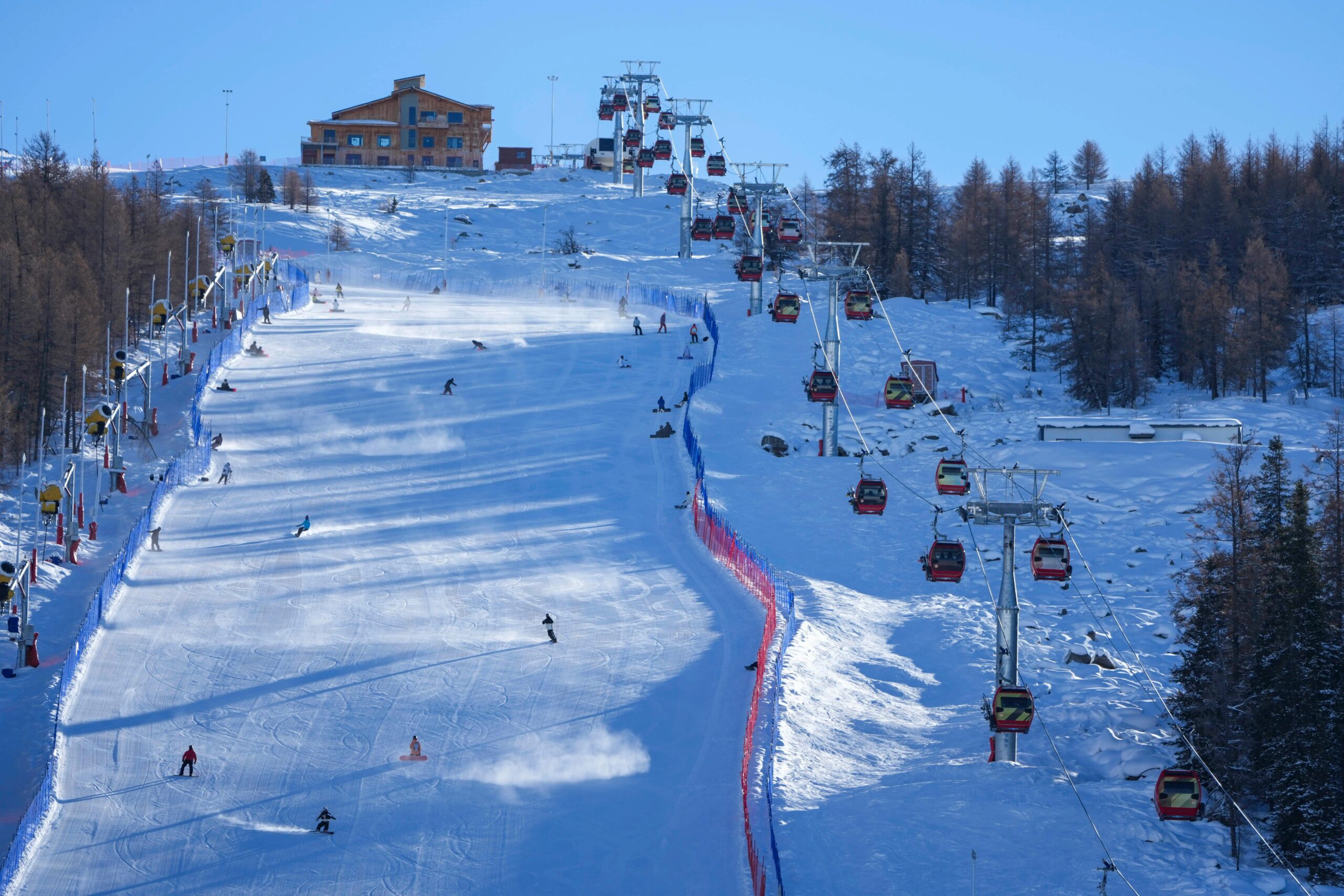
There are few backdrops on earth as dramatic for drone photography as a Xinjiang ski morning: jagged Altai ridgelines, endless dry powder, and a silence you can feel. If you travel with a camera drone, skiing in Xinjiang is a chance to capture footage that stands out from the usual resort reels. But the region’s size, its weather, and China’s airspace rules mean you need to fly smart. This guide covers the rules, the best conditions, and the safety habits that keep your Xinjiang ski photography both legal and beautiful. Pair it with our photography gear guide for camera and filter choices that suit the bright, contrasty snow light of a Xinjiang winter.
Know the Rules First
China regulates drones by weight and location, and the rules are stricter than in many Western countries. In short: register your drone if it is above the local threshold, fly only where permitted, keep within visual line of sight, and stay well clear of airports, military zones, and crowded lift areas. Xinjiang’s border regions and certain mountain areas can carry extra sensitivity, so check current rules before you travel and never assume a remote slope is automatically fine to fly. When in doubt, ask resort staff — they usually know the local no-fly areas and can point you to a safe launch spot without fuss.
Best Conditions for Aerial Shots
Xinjiang’s dry, sunny winters are a drone photographer’s gift. The light is clean, the air is clear, and the snow stays bright. The best windows to plan around:
- Golden hour: the first hour after the low winter sun clears the ranges, and the last hour before it drops behind the peaks.
- Bluebird days after a storm: fresh powder, blue sky, and high contrast — the classic shot that sells itself.
- Calm mornings: wind is usually lightest before midday; afternoon gusts on exposed ridges can ground you entirely.
Calm, clear mornings also mean fewer lift queues if you want a skier in frame, because most visitors sleep in during deep winter when the sun is late to rise over the mountains.
Choosing Where to Fly
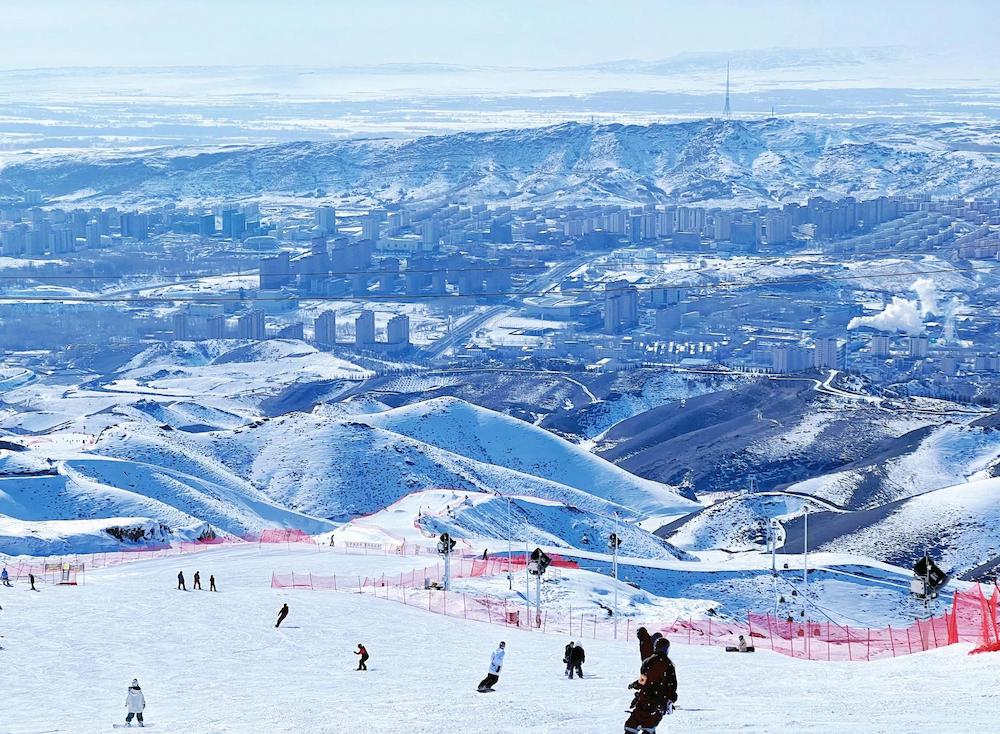
Not every resort or slope is drone-friendly. Open bowls away from the lift line are ideal; busy base areas and chairlift corridors are not. Some of the most photogenic and permissive spots are away from the crowds entirely — but always confirm with staff first. For a dedicated shoot, the best photo spots at Xinjiang ski resorts highlights vantage points with safe takeoff and a good frame, so you can plan a launch that will not put you over people or restricted airspace during your session.
Safe Flying Habits
Cold and altitude change how drones behave, so build these habits from the first flight:
- Keep batteries warm in an inside pocket until takeoff; cold lithium cells lose charge fast and sag under load.
- Watch the wind: the Tianshan ridges gust hard; if your drone struggles to hold position, land before it drifts.
- Respect altitude limits: thinner air at resort altitude already strains a small craft; do not push higher than rated.
- Land before you are tired: a low battery at distance is the most common way to lose a drone on a trip.
- Yield to people: never launch or hover over other skiers without clear consent and a safe gap.
For live conditions and a sense of what is happening on the hill, the Xinjiang ski resort webcams are handy for checking light and crowd levels before you fly, so you do not drive to a hill only to find flat light or a no-fly event.
Gear Tips for Cold-Weather Flight
A foldable drone like a DJI Mini or Air class is ideal for travel because it packs beside your boots and clears most weight thresholds. Bring two or three warm batteries, a small landing mat so snow does not suck into the motors, and ND filters for the bright snow glare. Keep spare props in your jacket — a cracked prop on a remote slope ends the shoot. Touchscreen gloves that still let you fly the controller are worth more than they cost on a minus-20 morning above the tree line.
Composing the Shot
The trick to great ski drone footage is patience and planning, not fancy gear. Launch from a safe spot, climb to a gentle height, and frame the skier against a ridgeline rather than open sky. A slow orbit or a low tracking pass behind a turning skier reads better than a high wide pan. For powder shots, time the launch to a fresh groomer edge or a friend’s first drop into untouched snow, and resist the urge to chase — a steady, planned move looks professional and keeps the battery in hand. The photography tips page has composition ideas that work on the snow and in the air alike.
Backcountry and Powder Aerials
The Altai’s open powder fields are the most spectacular subject, but also the most demanding to fly. The backcountry powder skiing terrain is remote, cold, and far from help, so a lost drone is the least of your worries if weather turns. Fly only in conditions you would happily ski in, tell someone your plan and expected return time, and keep the craft close enough to retrieve. The reward is footage of untouched slopes and woodsmoke villages that almost no one else captures, but it is a reward that demands respect for the mountain.
Etiquette and Privacy
Xinjiang’s resorts are friendly but not used to drones overhead. Be discreet: ask before flying near lodges or villages, avoid photographing people without consent, and pack up quickly if staff ask. Good behaviour keeps the hobby welcome and protects access for the next visitor. A little courtesy goes further than any permit in keeping local attitudes positive, and a respectful pilot is far more likely to be waved toward a better launch point by a curious liftie.
Editing and Storing Footage
The dry cold drains camera batteries too, so carry a power bank and offload footage each evening rather than filling a card. Xinjiang’s contrast — bright snow, dark spruce, deep blue sky — looks best with a gentle exposure pull and a slight warmth on skin tones. Avoid over-saturating the already-vivid scenery; restraint reads as professional and keeps the snow from blowing out. Back up to cloud or a second drive, because a lost card on a two-week trip is a real sting that no retry can fix once you have flown home.
Registering and Planning Ahead
Before you fly, complete any required registration for your drone class and save the confirmation offline, because signal can be weak at the resort. Note the local emergency and no-fly contacts, and sketch a simple flight plan each day so you know your max distance and return path. Planning ahead turns a risky impulse launch into a safe, repeatable routine, and it is exactly what separates the footage you are proud to share from the clip that ends in a snowbank.
Frequently Asked Questions
Are drones allowed at Xinjiang ski resorts?
It depends on the resort and the area. Register your drone, fly only where permitted, and stay clear of airports, lifts and crowds. Always ask staff if unsure, because rules vary by hill and by season.
What is the best drone for a ski trip?
A small foldable model like a DJI Mini or Air class travels easily and handles cold well with warm spare batteries. Bring spares and ND filters for snow glare, and a landing mat to keep snow out of the motors.
How do I protect batteries in the cold?
Keep them in an inside pocket against your body until takeoff, land before low, and warm them between flights. Cold lithium cells lose charge quickly in Xinjiang’s winter, so spares are essential.
When is the best light for aerial skiing shots?
Golden hour after the low sun clears the ranges, and bluebird mornings right after a storm, give the cleanest, highest-contrast footage of the season and the emptiest slopes to frame.
Can I fly over other skiers?
Only with their clear consent and from a safe distance. Never launch or hover above a busy lift line or base area, and yield to people over footage every time without exception.
Is the Altai good for drone footage?
Stunning, but remote and cold — fly only in conditions you would ski in, tell someone your plan, and keep the craft close. The backcountry guide has the safety context you need before launching up north.