

A longer Xinjiang ski trip opens the door to a proper winter road adventure across China’s northwest. This 10-day Xinjiang ski road trip itinerary connects Urumqi’s convenient resorts with the deep-snow mountains of Altay, adding buffer days for weather, rest, and spontaneous exploration. With ten days you can ski more resorts, take a scenic drive, and still return home without burnout. The plan below is built from real travel patterns used by visiting skiers, with enough slack that a storm never ruins the whole journey. Think of it as a flexible frame, not a rigid schedule.
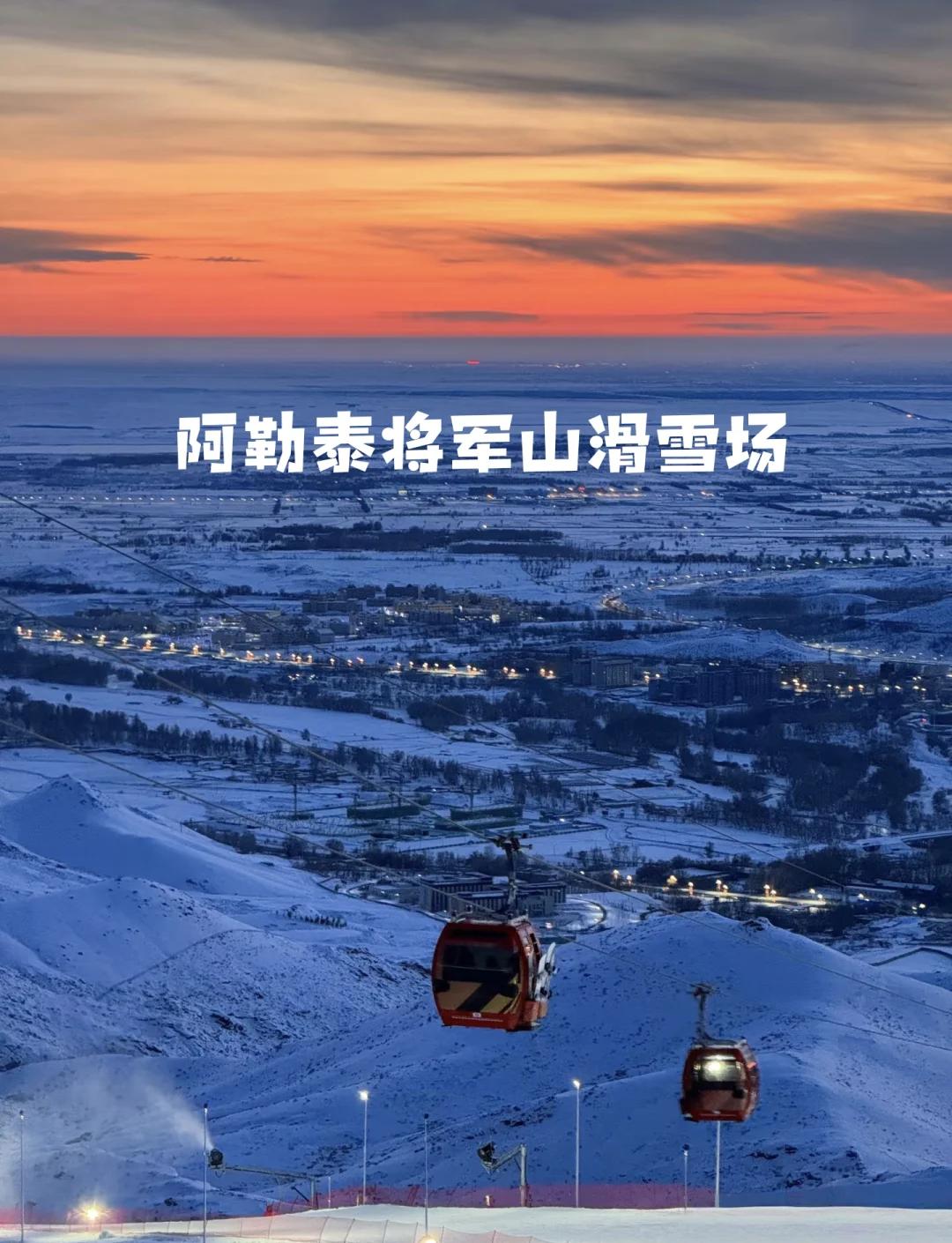
Days 1-2: Urumqi Arrival and Silk Road Resort
Land in Urumqi and spend your first full day at Silk Road Ski Resort. Two days here let you shake off jet lag, tune equipment, and enjoy the resort’s approachable terrain. Use the second evening to prep for the northern leg, either booking a flight or a hired car north toward Altay. The range of Xinjiang ski resorts means you can mix big resorts with quieter hills. Urumqi itself is a fascinating city where Uyghur, Han, and Kazakh cultures meet, so a dinner in the old town is a worthy pre-ski ritual.
Days 3-4: Travel North to Altay
The journey from Urumqi to Altay is the soul of this road trip. Flying saves time, but a hired car or private transfer lets you stop at viewpoints and small towns. Whichever you choose, arrive with at least two full days reserved for Altay skiing. Check the Urumqi to Altay travel options before finalizing, since winter weather can shift plans quickly. If you drive, leave early, fuel up fully, and treat the highway as an adventure rather than a commute to the slopes.
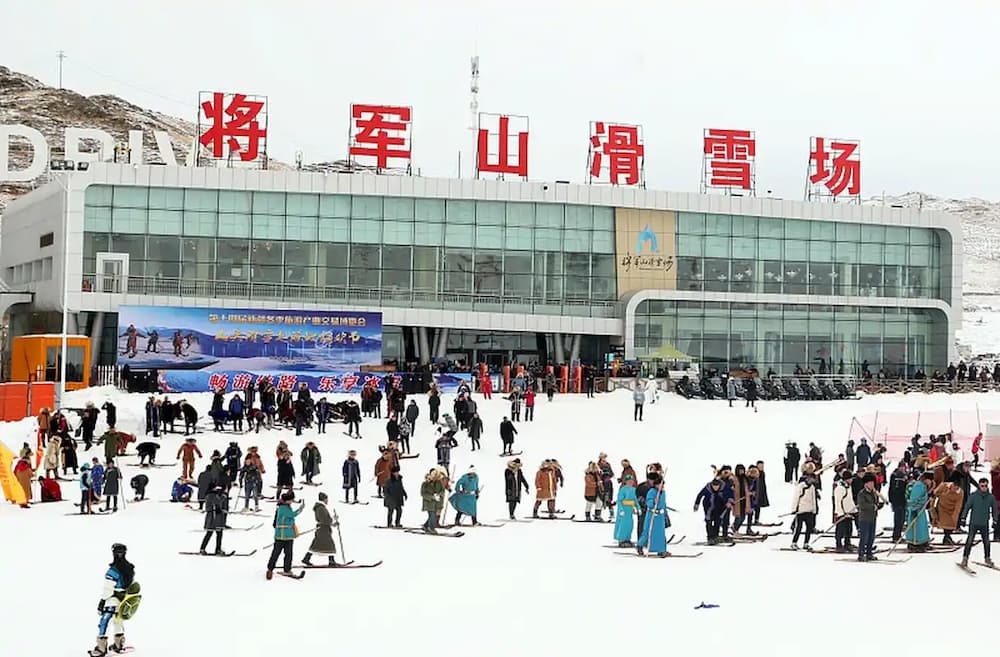
Days 5-6: Jiangjunshan Ski Resort
Jiangjunshan deserves two days, not one. Day five is for warm-up runs and exploring the mountain; day six can push into steeper freeride terrain or take a lesson to level up. The Jiangjunshan Ski Resort is a cornerstone of any extended Xinjiang ski trip, with reliable snow and a welcoming local vibe. Build in café breaks to enjoy the slow mountain rhythm. The resort’s floodlit evening sessions are a treat if you still have energy after sunset, and the town below buzzes with food stalls.
Days 7-8: Cocoa Tuohai and Scenic Driving
Devote day seven to Cocoa Tuohai Ski Resort, then use day eight as a flexible buffer. A buffer day is the smartest part of a 10-day plan: it absorbs storms, rest needs, or a spontaneous side trip. The best snow windows reward travelers who can wait a day for conditions to improve rather than forcing a ski in poor visibility. On the buffer day, consider a short drive to nearby Kanas country or simply rest your legs with a long lunch and a museum visit.
Days 9-10: Return and Wrap-Up
Head back to Urumqi over days nine and ten, skiing one more resort if energy allows, then shopping for souvenirs and settling accounts. Review your Xinjiang ski trip costs and confirm insurance documents are in order. Leaving a final buffer day prevents a missed international flight due to mountain weather. A hot spring on the last afternoon is the perfect reward, and Urumqi’s airport is close enough that you can ski and still fly out the same evening.
Road Trip Logistics
- Hire a driver familiar with winter mountain roads if self-driving feels risky.
- Keep an emergency kit: blankets, snacks, phone power, and a flashlight.
- Book resorts and rooms in pairs so a storm does not strand you.
- Share your route with someone and check in nightly.
- Carry cash for tolls and remote gas stations.
- Save offline maps and key hotel addresses in your phone.
Sample Daily Rhythm
A successful ten-day trip follows a gentle rhythm: ski hard on odd days, explore or rest on even ones. This cadence prevents the fatigue that ruins the back half of longer trips. Mornings start with first lifts, afternoons wind down with food and photos, and evenings stay light so recovery is genuine rather than theoretical. Protect one mid-trip rest day so your legs survive the second week of turns.
Food on the Road
Winter driving builds appetite, and Xinjiang delivers. Roadside stops serve laghman noodles, grilled meat, and warm flatbread that refuel better than any snack. Carry cash for these small vendors, and try dried fruit for quick energy between runs. Eating locally keeps the trip affordable and authentically memorable for visiting skiers who want more than hotel buffets.
Staying Connected
Buy a local data SIM in Urumqi on day one; coverage is good in towns and patchy on passes. A power bank and offline maps cover gaps. Sharing your live location with a friend back home is cheap insurance that pays off if a remote road surprises you with sudden weather or a closed section. Message your hotel each evening so someone knows your plan.
Weather Flexibility
The best habit on a long road trip is flexibility. Watch the forecast each evening and shift ski days to match clear weather, using buffer days for travel when storms roll through. Skiers who cling to a fixed calendar often ski whiteouts, while adaptable travelers catch bluebird powder and remember it for years afterward. Patience on a Xinjiang winter road is its own reward.
Traveling With Friends
Groups split car and apartment costs, making ten days surprisingly affordable. Shared laughter over sore legs is half the fun, and a group can justify a hired driver or a nicer meal without blowing the budget. Coordinate lifts and lessons together so nobody waits alone in the cold while others finish a run. Friends also make backcountry days safer and more social.
Extending the Trip
If you catch the bug, add days in Urumqi for city culture or push farther into Altay’s quieter hills. The region rewards return visits, and a second week reveals resorts the first missed. Many skiers plan a third visit before their flight home even lands, which says everything about the snow quality here. A longer stay simply means more untracked mornings.
Frequently Asked Questions
Is 10 days too long for a first Xinjiang trip?
No. The extra days reduce rush and let you ski both Urumqi and Altay properly. First-timers often wish they had more time, not less, because the region is so spread out and the snow so good that leaving early feels like a waste.
Should I self-drive or hire a car?
Hiring a driver is safer in winter. Roads can ice over and signage is mostly Chinese, so local knowledge helps a lot. A hired driver also doubles as a translator and informal guide to roadside food stops worth remembering.
Can I add non-ski activities?
Yes. Altay has skiing heritage sites, and Urumqi offers museums and food streets worth an evening. A 10-day plan has room for a culture day without sacrificing slope time, which keeps non-skiers in your group happy too.
What if it snows heavily mid-trip?
Use buffer days. Heavy snow often means the best powder once resorts reopen, so patience pays off. Resorts close lifts briefly during storms for safety, then reopen to spectacular fresh tracks.
How much does a 10-day trip cost?
Costs vary with lodging and transfers, but planning around a clear budget keeps the longer trip manageable. Traveling with friends lets you split car and apartment costs, making ten days surprisingly affordable.