
A Xinjiang ski road trip gives foreign skiers the freedom to chase snow across a vast, dramatic landscape at their own pace. Driving lets you link Urumqi’s resorts with the Altay powder fields and stop wherever the scenery calls. But winter driving in northwest China demands respect: remote roads, sudden weather, and limited English signage. This guide covers practical routes, car choices, and safety habits so your self-drive Xinjiang ski trip stays fun and safe from the first kilometer to the last. Preparation is everything when the nearest tow truck may be hours away.
Best Routes for a Ski Road Trip
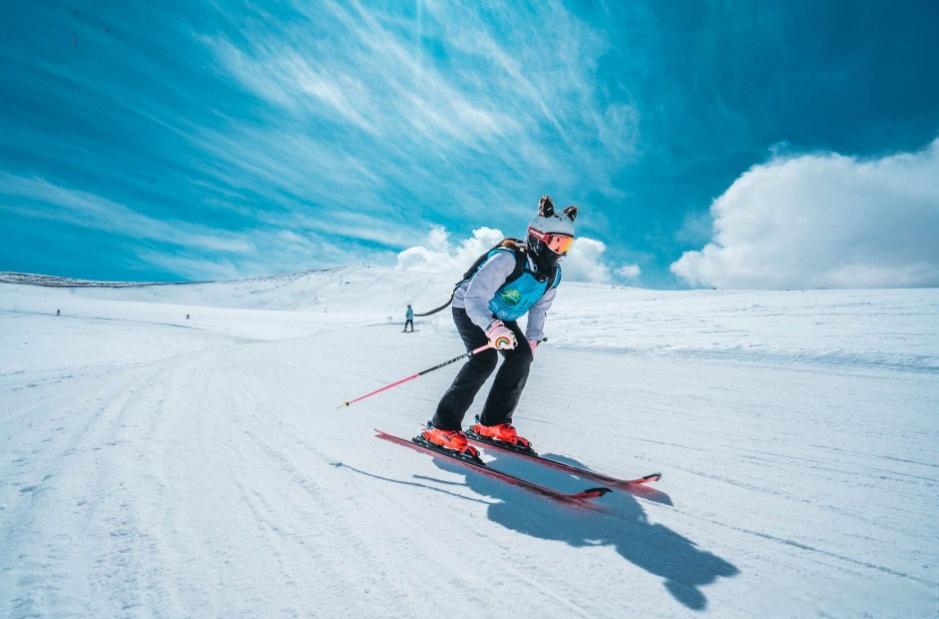
The classic loop starts in Urumqi, heads north to Altay, then returns. The G216 and G3014 corridors connect major towns, with Silk Road resort near the capital and Jiangjunshan plus Cocoa Tuohai up north. A shorter option stays around Urumqi and Tianchi for those unsure about long winter drives. The Xinjiang ski resort map helps you visualize distances, which are larger than they look on paper. Plan no more than four hours of driving on any single ski day so you still have legs for the slopes.
Choosing a Vehicle
For winter, a solid SUV with all-season or studded tires is the practical choice. Snow tires matter more than engine size on icy passes. If you are not confident on ice, hiring a local driver in a familiar 4×4 is wise and still leaves you in control of the itinerary. The resort transfer services can also cover the trickiest legs while you self-drive the easy ones. Whatever you pick, confirm it has working heat, a full spare, and enough clearance for unplowed village lanes near the resorts.
Winter Driving Safety
- Check weather and road status each morning before departure.
- Keep the fuel tank at least half full in remote areas.
- Carry chains even if tires are rated for snow.
- Drive below the limit; black ice hides on shaded bends.
- Share your live location with a contact each day.
- Pack water and a warm layer in case you wait for a tow.
Must-See Stops Along the Way
Beyond resorts, a road trip rewards detours: the frozen edges of Tianchi Lake, small Altay towns with hearty noodle shops, and roadside viewpoints where snow mountains fill the horizon. The Kanas Lake winter scenery is legendary, though it sits farther out and needs extra days. Plan stops loosely; rigid timing on mountain roads invites stress. A thermos of tea and a camera make even a fuel stop feel like part of the adventure rather than a delay.
Packing the Car
Bring layers, a thermos, snacks, a power bank, and a basic first-aid kit. Offline maps downloaded before you leave town are essential because signal fades in valleys. A small shovel and traction boards are reassuring if you slip into a snow bank on a quiet road. Sunglasses prevent snow glare on bright days, and a spare phone charger kept in the glove box has rescued more than one traveler stranded with a dead battery and no navigation.
Linking Resorts Efficiently
Group nearby resorts into pairs to cut driving. Silk Road and Tianchi work as a Urumqi pair; Jiangjunshan and Cocoa Tuohai form an Altay pair. This pairing reduces daily mileage and maximizes slope time. The best time to ski Xinjiang also affects roads, with January bringing the deepest snow and the iciest conditions. If you visit in the coldest month, drive only in daylight and never underestimate how quickly a clear morning turns into a whiteout afternoon on a high pass.
Border and Permit Checks
Some northern routes toward Altay pass near sensitive areas, so carry your passport and any needed permits at all times. Checks are routine and friendly; having documents ready keeps you moving. Ask your hotel or rental agency about current requirements, since rules shift and local advice beats anything written months earlier in a guide. A few minutes of asking saves hours of confusion at a gate.
Fuel and Charging
Gas stations are frequent on main highways but sparse in the hills, so top up whenever the tank drops below half. Electric rentals are rare here in winter, so plan around petrol. Some remote stations close early, another reason to drive in daylight and keep range in reserve before reaching the last resort of the day. Note the fuel gauge as carefully as the weather app.
Driving With Skis
Roof boxes are common and safe on highways, but secure them well against wind and ice. Inside the car, keep goggles and a layer within reach. A tidy load means faster starts each morning and less fumbling with frozen fingers when the thermometer reads well below zero at the resort car park after a long drive. A little organization saves precious warm minutes each dawn.
Local Etiquette on the Road
Mountain drivers are courteous but fast; match their pace without racing. Flash lights to thank a courteous pass, and never block single-lane sections. A respectful attitude at checkpoints and small towns goes far, and locals often reward polite travelers with the best food recommendations of the entire trip through the region. Kindness travels further than horsepower up north.
When Not to Drive
Honest self-assessment matters. If you have never driven on ice or in a foreign language setting, a hired driver is the smarter, cheaper choice long term. Bad weather, low confidence, or a tight flight are all reasons to let someone else drive. The mountain will wait, and you will arrive relaxed enough to enjoy it. Pride is a poor reason to risk a winter pass.
Combining Drive and Train
A clever hybrid skips the long haul: take the train or flight to Altay, then self-drive only the short resort loop. This captures road-trip freedom without a multi-day winter drive across the province. Many visiting skiers prefer this balance on a first Xinjiang trip and save the full loop for a return visit with more confidence. You still get the open road without the long haul fatigue.
Emergency Prep
Save resort and hotel numbers before you lose signal. A basic roadside kit, a charged power bank, and a calm plan turn a breakdown from a crisis into a delay. Most importantly, tell someone your route each morning so help knows where to look if the unexpected happens on a quiet, snowy pass far from town. Quiet roads reward the prepared and punish the careless.
Night Driving Warning
Avoid night driving on mountain roads entirely. Wildlife, ice, and unlit trucks make after-dark travel risky, and rescue is slow in remote valleys. Plan arrivals before dusk, and if delayed, stop in a town rather than pushing on. A warm guesthouse beats a cold ditch every single time on a Xinjiang winter road, so build your timing around the short daylight.
Frequently Asked Questions
Do I need a Chinese license to self-drive?
Foreign visitors generally need an approved Chinese temporary license. Many skiers instead hire a car with a driver to avoid paperwork and winter risk. The driver fee is modest compared with the peace of mind on icy mountain passes, and you can still set the route and stops.
Are roads plowed regularly?
Main highways are plowed, but side roads to smaller resorts can be slow to clear. Always confirm access after heavy snowfall, and ask your hotel whether the resort road is open before setting out in the morning. Local knowledge beats any app here.
How long is the Urumqi to Altay drive?
Several hours by good road, longer in snow. Many travelers break it up or fly one way to save time, then self-drive the easier Altay loop where distances between resorts are short and scenic. Flexibility keeps the trip enjoyable rather than exhausting.
Is a self-drive trip good for beginners?
Yes, if you keep drives short and stay on main routes. Beginners can ski resort pairs and skip remote legs. Pair a confident local driver with your own car, and you get freedom without the white-knuckle moments on unfamiliar ice. Confidence grows with each safe kilometre.