

If you’re planning a longer trip — or you’ve fallen for Xinjiang’s endless powder and want your own kit — buying ski equipment locally can save you the hassle of flying with heavy gear. But the market here is different from Europe, North America, or even eastern China. Selection is uneven, prices swing between bargains and markups, and the best deals are often on accessories rather than big-ticket hardware. This practical guide to buying ski equipment Xinjiang covers where to shop, what’s genuinely worth buying on the ground, how to handle sizing, and when renting still beats buying.
Before you spend anything, it helps to understand the region and its resorts. Our main Xinjiang Skiing Guide gives the big picture, and knowing where to ski in Xinjiang will shape what kind of gear you actually need.
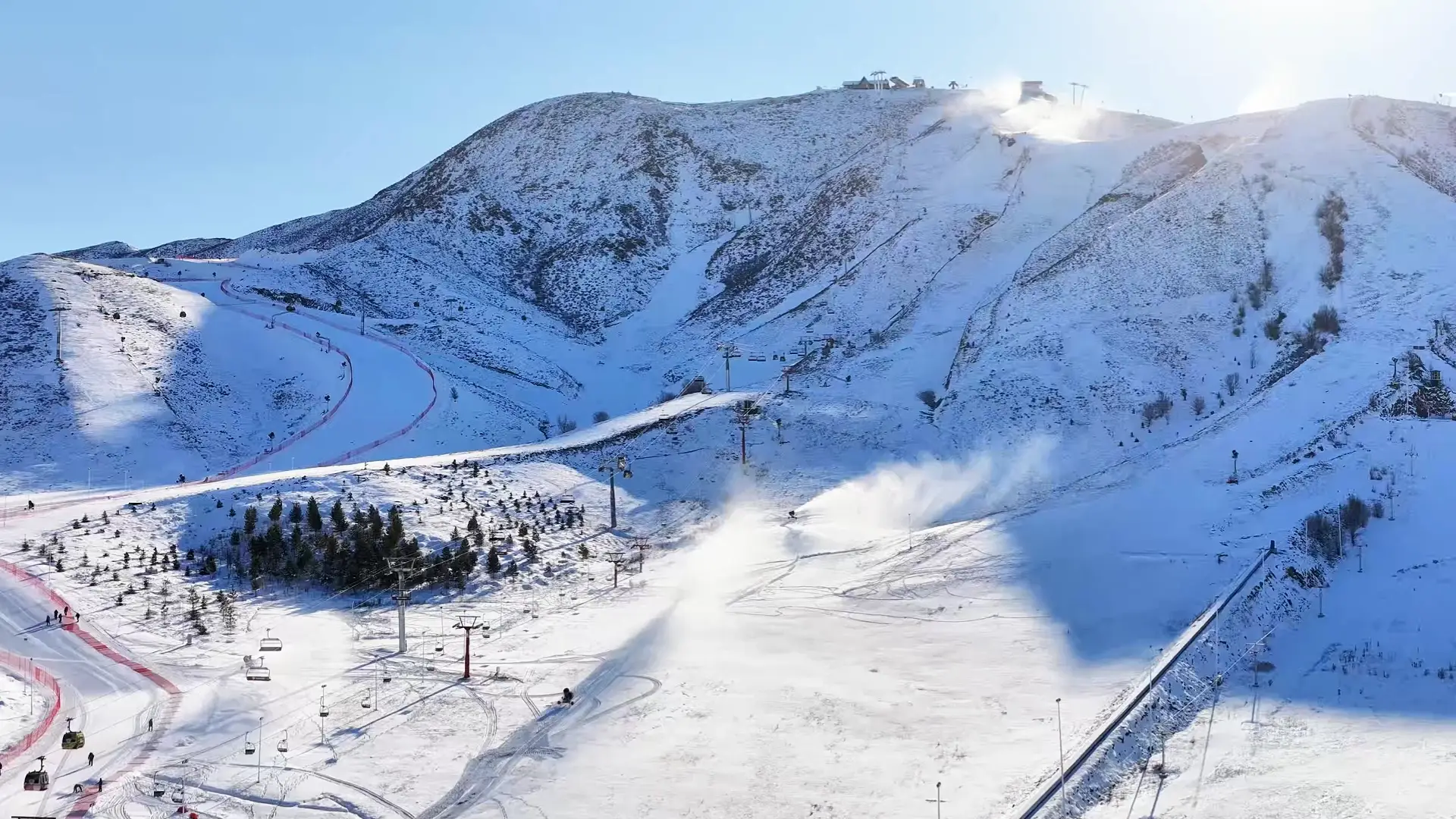
Where to Buy Ski Gear in Xinjiang
There are three broad places to shop, each with trade-offs:
Resort pro shops
Most major resorts near Altay and Urumqi have on-mountain shops. They’re convenient and stock season-appropriate gear, but prices are the highest and range is limited to whatever brands they carry. Great for a forgotten pair of gloves or goggles; less ideal for a full setup.
City sporting-goods stores
Urumqi and the larger towns have dedicated winter-sports retailers and general sporting-goods chains. This is where you’ll find the widest selection of skis, boots, jackets, and hardgoods, usually at fairer prices than the resorts. If you can shop in the city before heading to the mountains, you’ll get more choice.
Online marketplaces
Chinese e-commerce platforms carry huge inventories and often the best prices, but you’ll need a local address for delivery and can’t try boots on before buying. Many visitors order accessories online to a hotel and buy boots in person.
What’s Worth Buying Locally — and What Isn’t
Not everything is a smart local purchase. Here’s how to think about it:
- Great to buy locally: goggles, gloves, base layers, neck gaiters, hand warmers, helmets, and other accessories. These are cheap, easy to size, and heavy or bulky to fly with.
- Buy with care: jackets and pants. Selection is good and prices reasonable, but check that garments are genuinely waterproof and windproof for Xinjiang’s dry cold.
- Think twice: skis, bindings, and boots. Big-ticket, brand-dependent, and highly personal. If you know exactly what you want and find it, buy — otherwise sizing and fit matter more than saving a little money.
Cold here is dry and can be intense, so warmth is non-negotiable. If you’re unsure what the season throws at you, read up on Xinjiang ski weather before choosing outerwear.
Boots and Sizing: Get This Right
Boots make or break a ski trip. Buying them locally is fine, but never buy boots you haven’t tried on:
- Shop in the afternoon when your feet are slightly swollen, closer to how they’ll be after a day skiing.
- Wear the thin ski socks you’ll actually use, not thick everyday socks.
- Flex forward in a skiing stance — your toes should barely brush the front, then pull back when you bend your knees.
- Spend 10–15 minutes in each pair. Pressure points that seem minor in the shop become agony on the hill.
If you’re not confident about fit, or you’re only here for a few days, renting boots is often the smarter call.
Prices and Bargaining
Prices in Xinjiang vary widely. City stores and online platforms are your cheapest options; resort shops charge a convenience premium. A few tips:
- Compare online first. Check the going rate on major e-commerce apps so you know a fair price before you walk into a shop.
- Bundle for discounts. Buying skis, bindings, and boots together often unlocks a better package price.
- Shop end-of-season. Late in the season, retailers discount to clear stock — excellent value if your timing lines up.
- Bargaining is more common at independent stores than at chains; it’s always worth a polite ask.
Factor gear into your wider budget. Our guide to Xinjiang ski trip cost puts equipment spending in context alongside passes, lodging, and travel.
Buy or Rent? A Simple Decision
Buying only makes sense if you’ll ski enough to justify the cost and hassle of transporting gear home. For most visitors on a single trip, renting is cheaper and simpler:
- Rent if you’re here for under a week, still improving, or unsure what gear suits you.
- Buy if you’re staying a full season, ski frequently at home, or want a specific setup you already know.
A hybrid approach works well: rent skis and boots, but buy the cheap, personal accessories — goggles, gloves, base layers — that you’ll keep forever. Compare the numbers using our Xinjiang ski equipment rental guide before deciding.
What to Bring vs Buy There
To keep luggage light, many travellers bring only their most personal items and buy the rest locally. Pack the things that must fit you — like boots you already own — and buy consumables and accessories on arrival. Our pack for a Xinjiang ski trip checklist helps you split the load sensibly.
Checking Quality and Avoiding Fakes
Xinjiang’s ski market includes everything from premium international brands to budget domestic labels and, occasionally, counterfeits. A little care protects your money and your safety on the hill:
- Buy hardgoods from established retailers. Skis and bindings are safety equipment — stick to reputable shops rather than roadside stalls, and be wary of prices that seem impossibly low.
- Inspect the details. Check stitching, zippers, and logos on jackets and gloves; sloppy finishing is a red flag for a fake.
- Confirm bindings are mounted and adjusted by a technician. Never ski on bindings that haven’t been set to your weight, height, and boot size.
- Keep receipts. They matter for warranty claims and for any returns if something doesn’t fit once you’re on snow.
Domestic brands have improved dramatically and offer real value, so a lower price isn’t automatically a warning sign — it’s the combination of a suspiciously cheap price and a dubious seller that should make you walk away.
Frequently Asked Questions
Is it cheaper to buy ski gear in Xinjiang than to bring my own?
For accessories, yes — goggles, gloves, and base layers are cheap locally and save baggage weight. For skis and boots it depends: online platforms can be very competitive, but resort shops charge a premium, and fit matters more than price on big-ticket items. Compare online rates before buying anything major.
Can foreigners buy ski equipment easily in Xinjiang?
Yes. Physical stores in cities and at resorts sell to anyone. The main limitation is online shopping, which usually needs a local delivery address — many visitors ship to their hotel. Language can be a barrier in smaller shops, so a translation app or a guide helps.
Where’s the best place to buy a full setup?
City sporting-goods stores in Urumqi and larger towns offer the widest selection and fairer prices than on-mountain shops. Shop in the city before heading to the resorts if you want a complete kit rather than a last-minute accessory.
Should I buy ski boots in Xinjiang?
Only if you can try them on and spend real time confirming the fit. Boots are the most important piece of gear and the hardest to get right. If you’re only here briefly or unsure of your size, renting boots is the safer choice.
When are ski prices lowest in Xinjiang?
Late in the season, when retailers discount to clear inventory. If your trip timing is flexible and you plan to buy, shopping toward the end of the season can deliver significant savings on last year’s stock.