

There is nothing quite like a powder day: the muffled quiet after a storm, untracked slopes glowing in the early light, and that first turn where the snow explodes around your chest. Xinjiang, with its cold continental storms and light dry snow, is one of the best places in Asia to make those mornings happen. But powder days reward planning, timing and a little local knowledge. This guide shows you how to find, chase and enjoy powder days at Xinjiang resorts without wasting a single storm.
Whether you are a seasoned freerider or an intermediate who has never floated in deep snow, the strategy is similar: track the weather, position yourself near the right mountains, and get on the lift before everyone else. Let’s break it down.
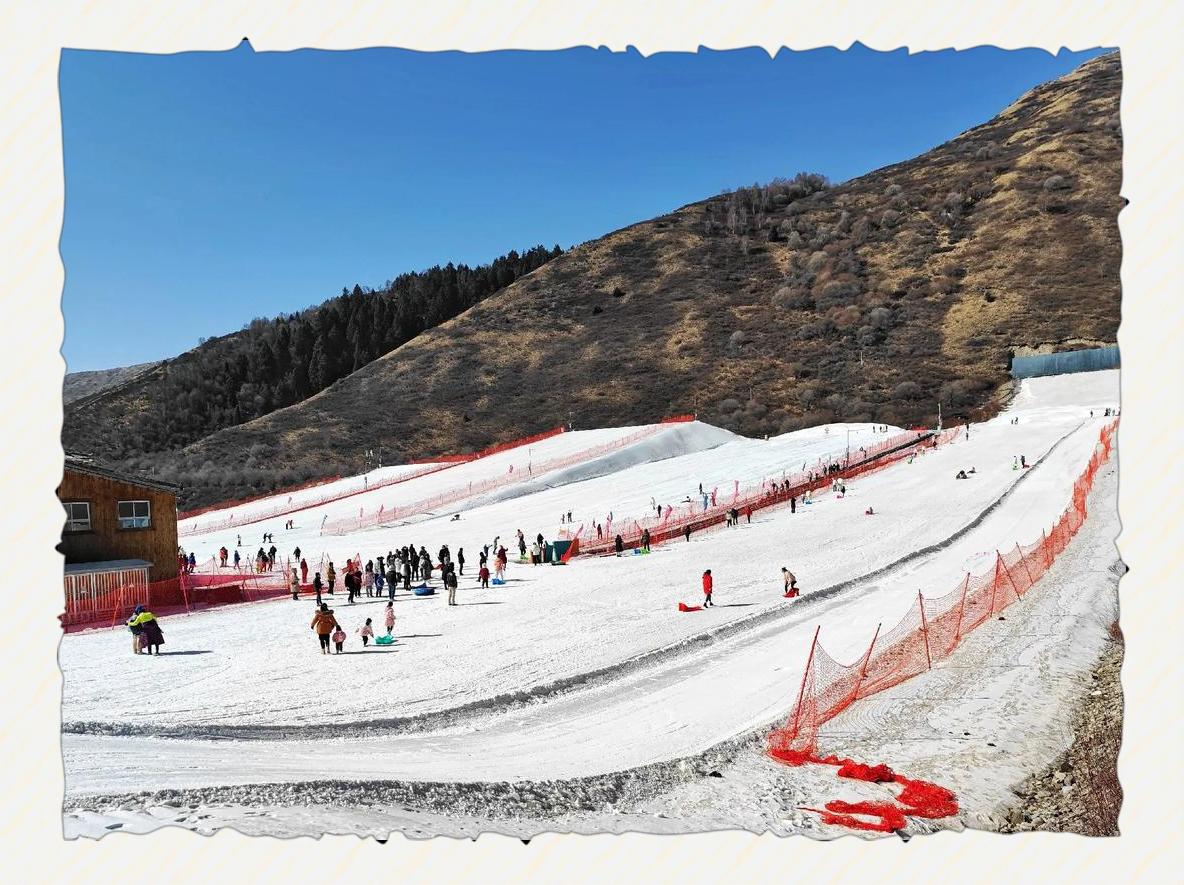
When Storms Roll Through
Xinjiang’s storm cycles are driven by cold systems sweeping down from Siberia and the north. Peak storm frequency lines up with deep winter, when temperatures are lowest and snow is driest. Storms often arrive in clusters, dropping consistent refreshes over several days rather than a single dump followed by weeks of sun. That rhythm is a powder hunter’s dream because it means multiple chances rather than one all-or-nothing gamble.
To make the most of it, you need to understand the broader season. Our guide to the best time to ski Xinjiang maps out the months with the highest storm counts and the windows serious skiers should target. Book flexible travel dates if you can, so you can lean into an incoming system rather than watching it from a fixed itinerary.
It also helps to understand how these storms behave once they arrive. Xinjiang’s dry, cold snow tends to fall steadily rather than in a single violent burst, which keeps visibility workable and lets the base build cleanly. That steadiness is a genuine advantage over regions where a storm dumps fast, then warms and crusts within hours. Here, the snow that falls overnight is usually still soft and light the next morning, giving you a realistic shot at fresh tracks even if you cannot ski at the very first hint of a system.
Best Resorts for Deep Days
Not every mountain scores equally on a storm. Higher, more northerly resorts in the Altai area sit closer to the storm track and generally record the deepest, lightest refreshes, along with terrain that holds powder well between the trees and on shaded aspects. Resorts nearer Urumqi still get good days but suit skiers who value access and grooming over maximum depth. Compare your options in our full Xinjiang ski resort comparison before committing.
If chasing the deepest snow is your only priority, focus on the mountains ranked in our best powder ski resort in Xinjiang guide, which weighs storm frequency, terrain and lift-served off-piste. For a wider overview of every option, start with the Xinjiang ski resorts overview.
What to look for in a powder resort
- Aspect variety so you can follow the best snow through the day.
- Lift-served off-piste to lap fresh snow quickly.
- Tree runs that stay soft and offer visibility in flat light.
- Reliable grooming for warm-up laps and end-of-day cruising.
Powder-Day Tactics
Finding the snow is one thing; skiing it before it gets tracked out is another. On a powder morning, minutes matter. Arrive early, have your gear sorted the night before, and know which lift accesses the best terrain first. Skiers who dawdle over breakfast often watch the freshest lines disappear from the chairlift.
Deep snow also asks more of your technique and equipment. Wider skis or a powder-friendly board help you float, and a slightly more centred, patient stance keeps your tips up. If you plan to venture off the marked runs, stability awareness is non-negotiable; read our Xinjiang ski avalanche safety guide and never ride serious terrain alone.
- Check the overnight snow total and wind direction before you leave.
- Ride the first chair and head straight for shaded, protected slopes.
- Lap the same aspect while it stays cold and soft, then rotate as the sun moves.
- Switch to groomers in the afternoon once the powder is skied off.
Gear and Preparation
A powder day is far more enjoyable when your kit is right. Rent or bring wider skis, pack goggles with a low-light lens for stormy visibility, and layer for the deep cold that produces this snow in the first place. Hydration and energy matter too, because powder skiing is physically demanding and the cold masks how hard you are working.
A few extra details separate a comfortable powder day from a cold, frustrating one. Bring a spare pair of gloves so a wet set never ends your morning early, use a neck gaiter to seal out spindrift, and keep hand warmers in a pocket for the coldest chairlift rides. Waxing your skis the night before makes a noticeable difference in soft snow, helping you keep momentum through flat sections where deep powder can otherwise bog you down.
Beginners and intermediates should not feel shut out. Many Xinjiang resorts have gentle, wide slopes where a modest layer of fresh snow is the perfect, forgiving introduction to the feeling of float, without the commitment of steep off-piste. Take a lesson, build confidence on mellow terrain, and let your powder ambitions grow from there.
Making Every Storm Count
The travellers who score the best days are the ones who stay flexible and informed. Watch the forecast, be ready to move your ski days around a storm, and pick a base that puts you close to the mountains scoring the deepest snow. It also helps to build in a buffer day or two, because the difference between an average trip and an unforgettable one is often a single storm that lands twenty-four hours later than the forecast promised.
Finally, remember that powder days are as much about mindset as logistics. Keep your gear ready, your expectations flexible, and your alarm set early. Skiers who commit to being on the hill when the snow is freshest almost always come away with better stories than those who wait for perfect certainty. Do that, and Xinjiang will reward you with the kind of mornings that keep skiers coming back season after season.
Frequently Asked Questions
How often do powder days happen in Xinjiang?
During deep winter, storms often arrive in clusters, so multiple powder days within a single week are common at the higher Altai-area resorts. Frequency drops toward the shoulder seasons, so midwinter offers the best odds.
Do I need special skis for a powder day?
Wider skis or a powder-oriented board make deep snow far easier and more fun, helping you float rather than sink. Rentals are available, but reserve early on a storm day when demand spikes.
Can beginners enjoy powder days?
Yes. Gentle, groomed-adjacent slopes with a light layer of fresh snow are an ideal, low-risk way to feel the float. Save steep off-piste for when your skills and avalanche awareness have developed.
How early should I arrive on a powder morning?
Aim to be in line before the first chair. Light Xinjiang powder gets tracked out quickly on popular slopes, especially on weekends, so an early start is the difference between fresh lines and leftovers.