

Xinjiang has quietly become one of the most exciting off-piste destinations in Asia, thanks to deep, dry continental snow and vast alpine terrain in the Altai and Tianshan ranges. But before you duck a rope or head for an untracked bowl, you need to understand how off-piste access actually works at each resort. Policies here differ from what many foreign skiers expect in the Alps or North America, and getting them wrong can mean a lost lift pass, a rescue bill, or worse. This guide explains the rules, the gates, the patrol expectations, and how to ski the sidecountry responsibly. If you are still mapping out your trip, start with our overview of Xinjiang ski resorts and then dive into the terrain details below.
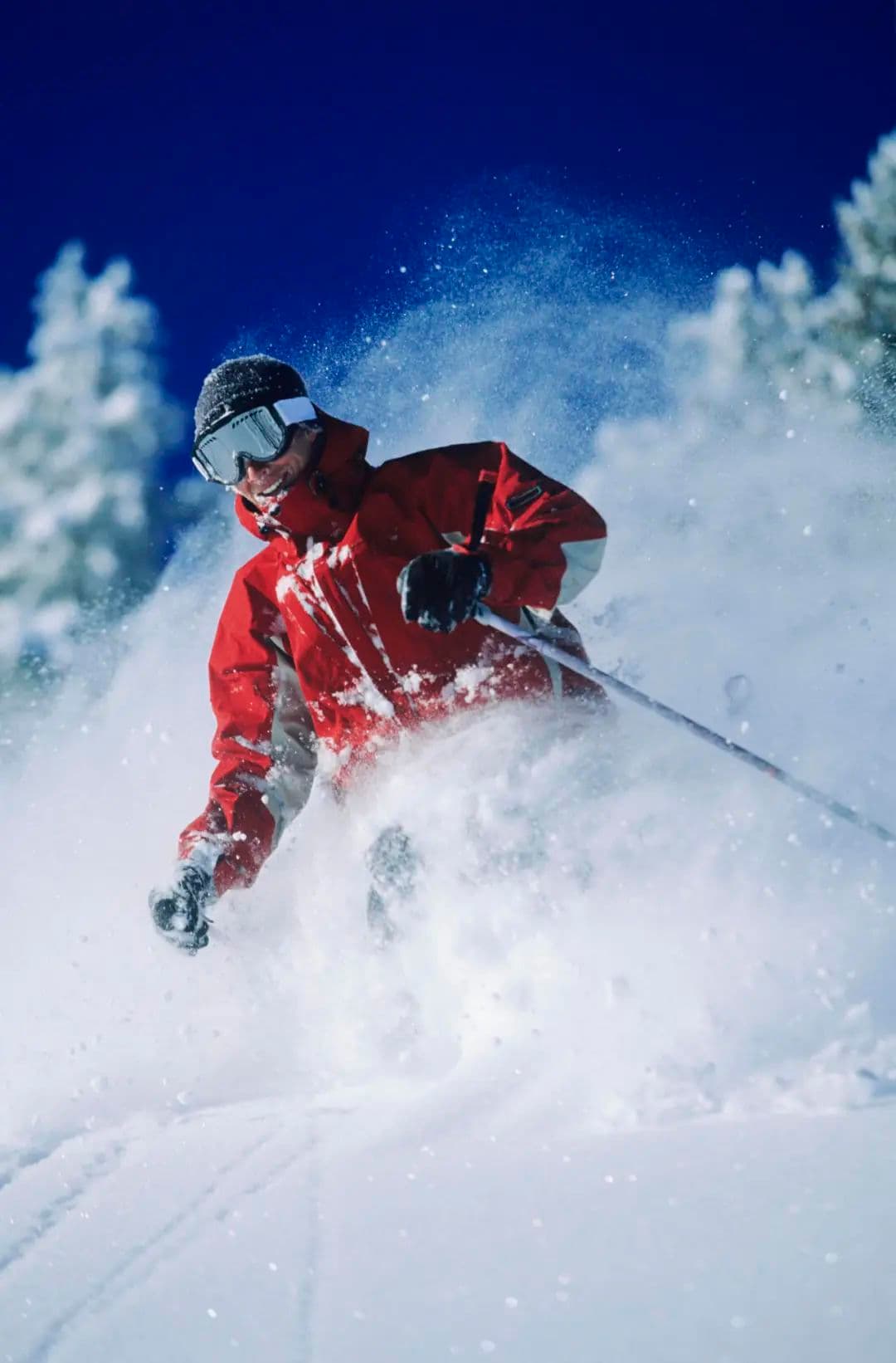
How Off-Piste Access Works in Xinjiang
Unlike the fully open backcountry access common in parts of Europe, most large Xinjiang resorts operate a controlled boundary system. Marked ski areas are patrolled and avalanche-managed; everything beyond the ropes is treated as uncontrolled terrain. Some resorts allow you to exit through designated gates into sidecountry zones, while others strictly prohibit leaving the groomed perimeter during unstable conditions. The single most important habit is to read the signage at the top of each lift, because policies can change daily based on the snow report.
Access generally falls into three categories:
- Open sidecountry gates: Marked exits into ungroomed terrain that you enter at your own risk. These are usually open only when patrol has assessed the snowpack as stable.
- Guided-only zones: Steeper or more consequential terrain you may only access with a certified guide or through the resort’s freeride program.
- Closed zones: Roped-off areas that are off-limits regardless of skill. Ducking these ropes can void your pass and trigger fines.
Because signage is often in Chinese first, it pays to photograph the daily bulletin and translate it, or to ask an English-speaking staff member at guest services before your first run.
Avalanche Management and Patrol Expectations
Off-piste terrain in Xinjiang is genuinely serious avalanche country. The continental climate produces a thin, faceted early-season base that can persist as a weak layer well into midwinter. Ski patrol carries out control work inside the boundary, but sidecountry and backcountry are not routinely mitigated. If you plan to leave the ropes, you should carry a transceiver, probe, and shovel, and know how to use them. Review our detailed notes on Xinjiang ski avalanche safety before committing to any off-piste line.
Patrollers in Xinjiang expect off-piste skiers to sign out at the gate when required, to travel one at a time across exposed slopes, and to carry a fully charged phone with the local emergency number saved. Rescue outside the boundary can be slow and expensive, so self-sufficiency is not optional. If you are new to the region, consider hiring a local guide first; our guide on resort backcountry access explains how guided programs bridge the gap between piste and true backcountry.
Where the Best Off-Piste Terrain Lives
The Altai resorts near Altay City and Koktokay are famous for cold-smoke powder and gentle-to-steep tree and bowl skiing, while the Tianshan resorts near Urumqi offer more accessible sidecountry laps close to the lifts. Serious freeriders should look at the higher alpine features that hold snow after storms.
- Ridge bowls: Wind-loaded but rewarding; check aspect and recent loading before entering.
- Gladed tree runs: Sheltered, lower-angle powder that is safer in poor visibility. For technique, see our piece on backcountry powder skiing in Xinjiang.
- Gate-accessed sidecountry: Short hikes from lift tops that deliver big rewards with modest effort.
Whatever you ski, match the terrain to the day’s conditions rather than your ambitions. Advanced skiers who want lift-served steeps inside the ropes should also check the resort’s advanced zones, which are patrolled and a smart warm-up before venturing out.
Rules Foreign Skiers Should Never Break
A few hard rules will keep you safe and in good standing with resort management:
- Never duck a closed rope. It is the fastest way to lose your pass and endanger rescuers.
- Always ski off-piste with a partner and agreed regrouping points.
- Check the daily avalanche bulletin and lift-status board every morning.
- Carry rescue gear and know how to use it; renting a transceiver on arrival is easy at most large resorts.
- Respect any guide-only designation, even if the slope looks tame.
Following these keeps the gates open for everyone. Resorts have been known to tighten access after avalanche incidents or reckless behavior, so responsible skiing protects future access too.
Planning Your Off-Piste Days
Time your trip for the deepest, most stable snow windows and build rest into your schedule so fatigue does not push you into poor decisions. Pair storm days with tree skiing and save the big alpine bowls for the clear, settled days that follow. If you are combining off-piste with resort skiing, our overview of Xinjiang ski resorts helps you pick a base that matches your appetite for terrain. Most freeriders base near Altay for the powder and take day trips to explore different aspects and elevations.
A typical off-piste day starts early. Check the overnight snow total and the wind readings before breakfast, because wind loading is the single biggest driver of daily hazard in Xinjiang. If the ridges were hammered overnight, plan a lower-angle, wind-sheltered day and let the alpine settle. On the other hand, a cold, calm, high-pressure morning after a storm cycle is the classic window for bigger objectives. Ride the lifts to reach elevation efficiently, then use short bootpacks or traverses to access untracked aspects rather than committing to long, unsupported tours on your first days in the region.
Fuel and hydration matter more than most visitors expect. The dry continental air and cold temperatures dehydrate you quickly, and altitude near the higher Tianshan terrain can sap energy. Carry water in an insulated bottle so it does not freeze, pack high-calorie snacks, and pace your vertical so you finish the day with margin. Fatigue-driven mistakes, not lack of skill, cause most sidecountry incidents. Finally, log a simple plan with someone at your hotel or with the resort: where you intend to ski, and when you expect to be back. It costs nothing and dramatically speeds up any response if things go wrong.

Frequently Asked Questions
Can foreigners ski off-piste at Xinjiang resorts?
Yes, but access depends on the resort and the daily conditions. Most large resorts allow sidecountry through marked gates when patrol deems the snowpack stable, while steeper zones may be guide-only. Always check the daily bulletin and signage first.
Do I need avalanche safety gear?
Absolutely. Off-piste and sidecountry terrain is not routinely avalanche-controlled. Carry a transceiver, probe, and shovel, know how to use them, and never travel alone. Rental gear is available at major resorts.
What happens if I duck a closed rope?
You risk having your lift pass revoked, being fined, and triggering an expensive rescue if something goes wrong. Closed ropes mark genuinely hazardous or protected terrain, so respect them without exception.
Is a guide required for off-piste skiing?
Not always, but it is strongly recommended if you are new to the region. Some steeper zones are guide-only by policy, and a local guide dramatically improves both your safety and the quality of terrain you can access.
When is off-piste snow best in Xinjiang?
Deep, cold powder is most reliable from December through February, with the Altai resorts holding the driest snow. Storm cycles followed by clear, cold days offer the best combination of fresh snow and improving stability.