

Most visitors snap a few runs on their phone without a second thought, and that is exactly how it should be. The line changes, however, the moment your camera becomes a job. If you are a content creator, a brand, a travel agency, or a film student planning a shoot at a Xinjiang ski resort, you need to understand where casual shooting ends and commercial photography rules begin. This guide explains how resorts in Xinjiang handle media permissions, what they ask for, and how to avoid a polite but firm request to stop filming on the mountain.
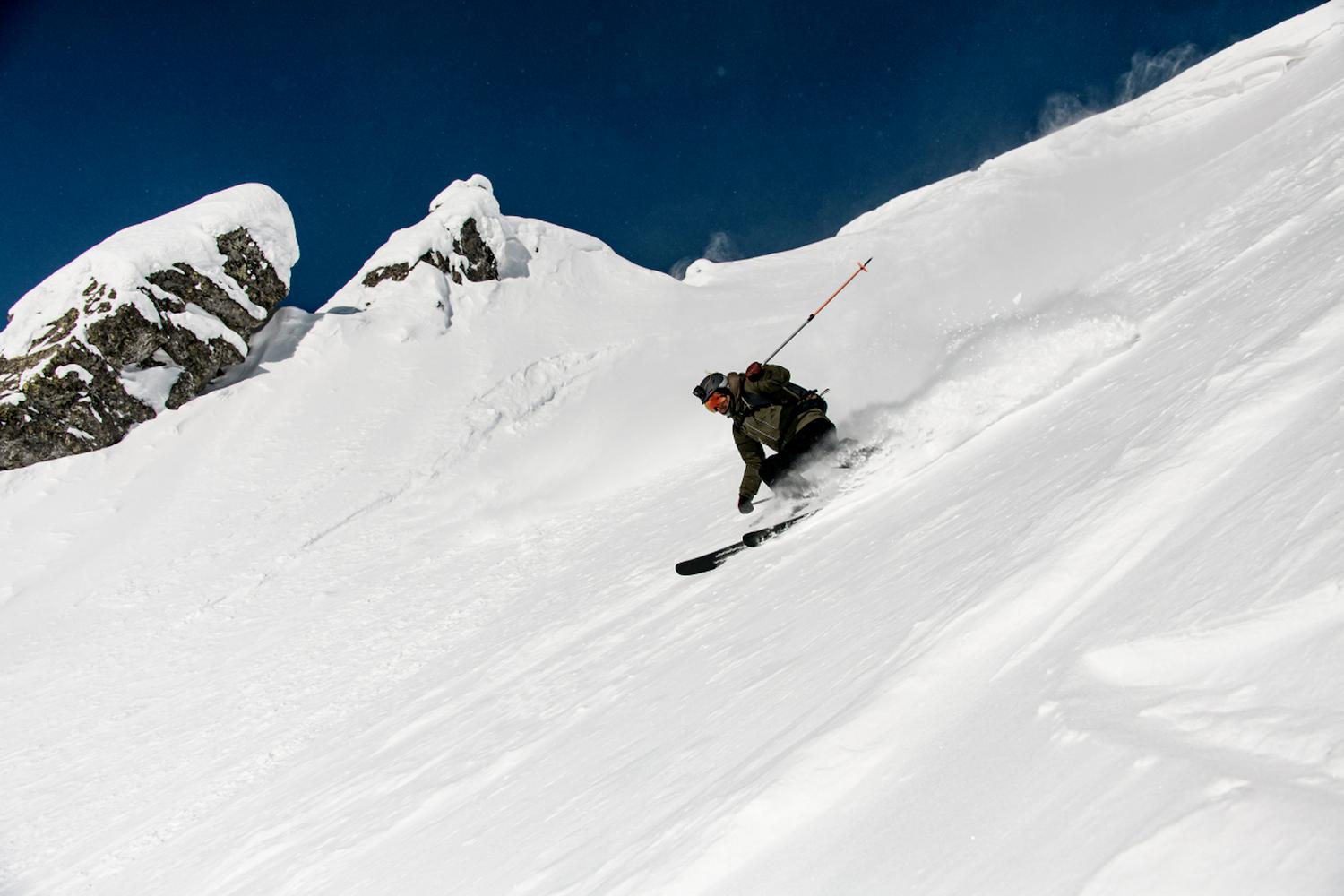
Personal vs Commercial: The Dividing Line
The simplest rule is intent and distribution. Shooting for your own memory, a private social feed, or a personal vlog that earns nothing is treated as personal use. The moment footage is used to promote a product, a paid course, a sponsored post, or a commercial film, it is commercial. Resorts draw the line at money and audience, not at the size of your camera. A phone clip for a sponsored post still counts; a cinema camera used for a private diary does not.
- Personal use: holiday photos, private vlogs, non-monetised memories.
- Commercial use: brand campaigns, paid collaborations, stock footage sales, client deliverables.
- Grey zone: growing creators whose channel is monetised but not yet brand-funded — confirm with the resort before the trip.
Who Actually Approves the Shoot
At Xinjiang resorts the marketing or media department is the gatekeeper, not the lift operator or the ski patrol. Large resorts such as those around Altay and Urumqi have dedicated publicity teams that handle everything from influencer visits to film crews. Smaller hills may route requests through the general manager’s office. Either way, ask for the media contact in writing and keep the email thread — it is your proof of permission on the day.
Some topics connect naturally: if your shoot involves aerial footage, the same resort that approves ground filming will also need to coordinate drone rules and no-fly coordination with patrol and airspace staff. Treat drone approval as a separate but linked permission, not an afterthought.
What to Send in Your Request
- Your name, company, and a one-paragraph description of the project.
- Exact dates, lift hours you need, and which zones you want to film.
- Equipment list, including tripods, lights, and any drone.
- How the footage will be used and where it will be published.
- The number of crew and whether you need model or talent releases.
Tripods, Lights and Lift Access
A handheld camera is one thing; a tripod blocking a run is another. Resorts are rightly nervous about anything that obstructs a piste or distracts skiers. Expect to be assigned a safe shooting position, often off to the side of a groomed run or on a vista deck. Tripods are usually allowed in designated areas only. Lights and reflectors are almost always restricted on the snow because they dazzle other guests.
Lift access for crew is a separate question. Filming from a moving chairlift is generally discouraged for safety reasons, and a dedicated lift for a shoot normally requires advance approval and sometimes a patrol escort. If your concept needs aerial or cable-car shots, mention it early — scenic gondola and cable-car viewpoints are often the easiest legal way to get elevation without a drone.
Drones: A Separate Permission Layer
China regulates drones tightly, and ski resorts sit inside that framework. A commercial drone shoot needs both the resort’s permission and compliance with national registration rules for the aircraft and pilot. Resorts worry about collisions, noise near wildlife, and privacy on the slopes, so approvals are narrow and time-boxed. Pre-plan flight windows around lift operation and avoid flying over crowds.
For hobbyist aerial context rather than permits, our drone photography guide covers safe flying habits, while the permit side is what this article is really about. Keep the two conversations distinct when you email the resort.
Model Releases and Faces on the Slope
You cannot film strangers without consent if the footage is commercial, and you certainly cannot use someone’s image in an ad. Resorts will ask how you handle this. The practical answer is a simple model release form in both English and Chinese, plus a habit of shooting wide and cropping later. Crews that film lessons or busy lodge scenes should brief the resort on how they will blur or avoid identifiable guests.
Brand Logos, Uniforms and Exclusivity
Resorts frequently hold sponsorship deals with equipment and apparel brands. That means a competing logo in your commercial film can be a problem. Ask about logo restrictions before you pack branded jackets. Some resorts also grant shooting exclusivity to one partner per period, so confirm your dates do not clash with an existing campaign.
Timing, Fees and Turnaround
Most resorts answer media requests within a few business days in season, but winter is busy, so apply at least two to three weeks ahead. Fees vary: pure editorial features are sometimes waved, while commercial campaigns usually pay a location fee plus a refundable deposit against slope damage. Get the approval in writing and carry a printed copy on the shoot day.
If you are building a wider Xinjiang media plan, our resort photo guide and on-slope photography tips help you plan shots that stay inside the rules you just negotiated.
Working With a Local Fixer or Translator
If your shoot is commercial and you do not speak Mandarin, a local fixer is worth the cost. They translate the permit paperwork, negotiate with the marketing team, and — crucially — interpret on the day when a patrol officer questions your position. A fixer also knows which phrases close a deal and which ones stall it. For solo creators on a budget, at minimum hire a translator for the initial email exchange and keep their number handy during the shoot.
Insurance and Liability Waivers
Resorts will often ask commercial crews to sign a location waiver and show proof of public liability insurance. This protects the resort if a light stand topples onto a guest or a drone clips a lift tower. Do not treat the waiver as boilerplate; read the indemnity clauses, because some resorts push broad responsibility onto the production. If your home policy does not cover overseas filming, buy a short-term media policy before you fly.
Common Mistakes That Get Shoots Shut Down
- Arriving without written approval and assuming a small camera is harmless.
- Flying a drone first and asking later.
- Blocking a run with a tripod during peak hours.
- Filming identifiable guests for a paid campaign without releases.
- Showing a competitor’s logo in a resort-branded commercial.
Frequently Asked Questions
Can I film my own skiing vlog without a permit?
Yes, if it is personal and non-monetised. The moment it promotes a brand or earns money, treat it as commercial and contact the resort’s media team first.
Do drones need special resort approval?
Always. Beyond national drone registration, the resort must clear flight windows with patrol and airspace staff. Never fly first and explain later.
How early should I apply for a commercial shoot?
Two to three weeks before your dates in peak season. Larger crews and drone shoots should apply even earlier to allow for escorts and scheduling.
What if I accidentally film other guests?
For commercial use you need consent or you must blur faces in editing. Carry a simple release form in Chinese and English, and prefer wide shots you can crop later.
Are there fees for filming at Xinjiang resorts?
Editorial features are sometimes free; commercial campaigns usually pay a location fee plus a deposit. Confirm the exact amount in your written approval.
Can I use a tripod on the ski slope?
Only in designated safe areas assigned by the resort. Tripods that block a run or distract skiers are normally removed on request.