

Organising a corporate ski event China teams actually enjoy takes more than booking a block of rooms. Xinjiang’s resorts have quietly become a strong choice for company ski trips, with reliable snow, modern slopeside hotels, and the kind of dramatic mountain scenery that makes a retreat feel like a real reward. This guide is written from the organiser’s view: how packages are structured, how to programme for mixed ability, and the logistics that decide whether your event runs smoothly.
Why Xinjiang Works for Company Ski Trips
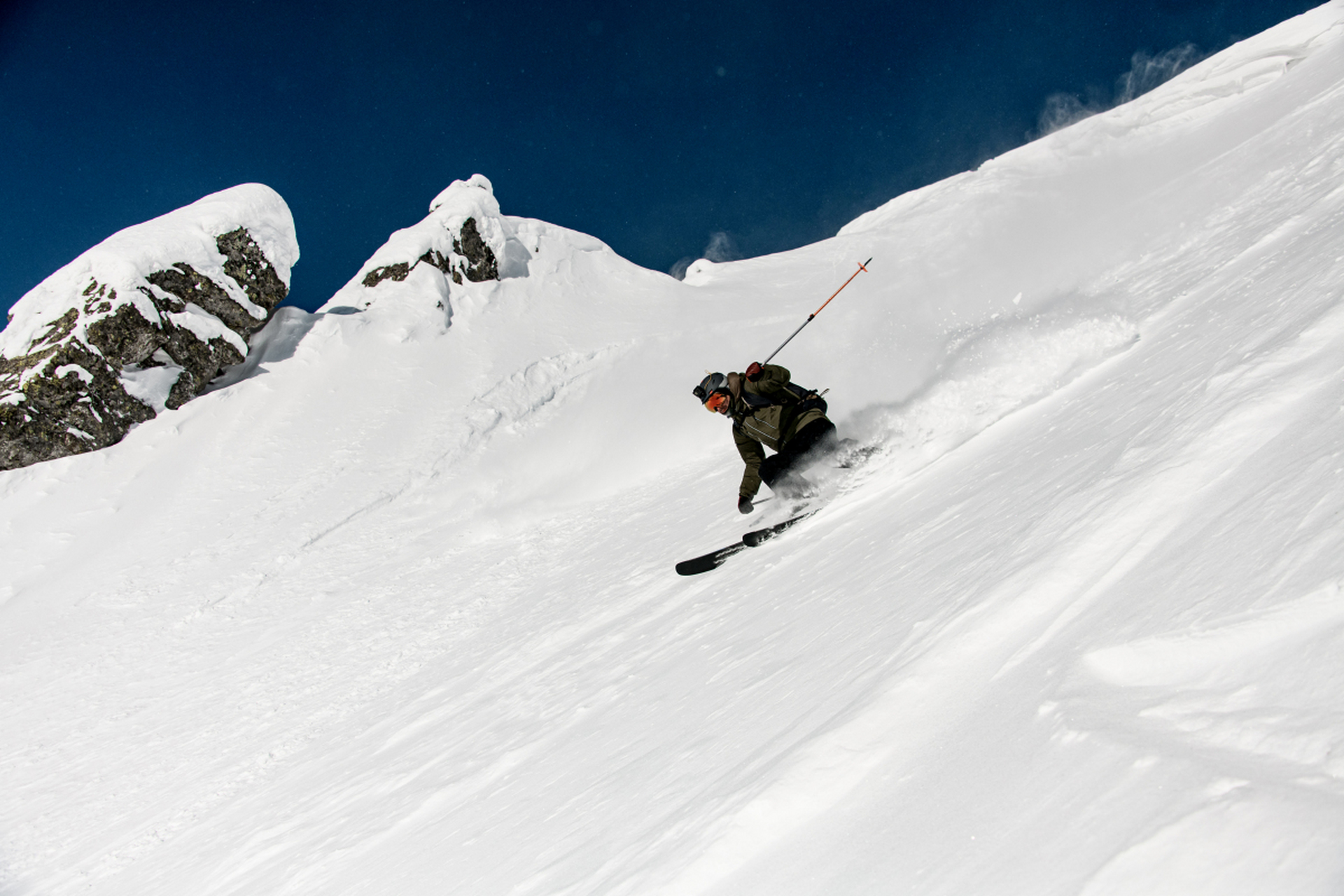
Xinjiang combines long seasons, deep powder, and large resort bases that can absorb groups of fifty or more without feeling crowded. Flights into Urumqi and Altay are frequent, and the resorts themselves are built for volume. For a Xinjiang Ski Resorts group programme, that scale means you get dedicated lanes, private lessons, and meeting space that smaller domestic hills simply cannot offer.
Venue and Package Structure
Most corporate packages are built around a sliding scale of inclusions rather than a fixed product. Understanding the building blocks helps you control budget and avoid paying for things your team will not use.
Full-Mountain vs Slope-Side Hotels
Slope-side hotels cost more but save hours of daily transfer time, which matters for a short incentive trip. Full-mountain resorts with off-site lodging are cheaper and give you more dining variety, but you trade convenience for price. Match the choice to your headcount and schedule rather than defaulting to the closest option.
What a Standard Package Includes
- Lift access for the group, often at a negotiated rate
- Shared or private ski and board rental
- A block of group lessons with English-capable instructors
- One or two catered meals per day
- Basic meeting room hours for briefings or awards
Programming for Mixed-Ability Groups
The single biggest risk to a team event is boring the strong skiers while terrifying the beginners. Split programming is the answer, and Xinjiang’s large ski schools make it practical.
Dividing by Level
Separate first-timers, intermediate, and advanced skiers into different lesson streams from day one. Advanced groups can take guided off-piste or powder sessions, while beginners get patient, repeated fundamentals. Nobody feels held back or pushed too hard, which keeps the mood positive across the whole trip.
Non-Skier Tracks
Always build a track for colleagues who do not ski. Spa time, snow play, village visits, and photography walks keep non-skiers engaged and included. Resorts such as the luxury ski resorts in Xinjiang are especially good at this, with wellness and dining that stand on their own.
Catering, Meeting Rooms, and Logistics
Confirm kitchen capacity before you promise a sit-down dinner for the whole group. Resort restaurants fill up with the public, so pre-booked private seating is worth the premium. Meeting rooms are limited and booked early in peak season, so lock yours at deposit time. For families joining the trip, the family ski resorts in Xinjiang offer layouts that mix business and leisure naturally.
Liability, Waivers, and Safety
Every participant should sign a waiver, and you should carry proof of travel insurance that covers winter sport. Brief the group on altitude, hydration, and the resort’s marked boundaries before anyone clips in. A short safety orientation on the first morning prevents most incidents and shows your company takes duty of care seriously.
A Simple Three-Day Group Itinerary
If you have never run a ski retreat, a light structure removes the daily “what now” drift that wastes group time. A proven shape works for most corporate trips and keeps energy high without overloading weaker skiers.
- Day one — arrive and orient. Afternoon transfers, a safety briefing, equipment fitting, and a relaxed welcome dinner. No skiing on day one protects everyone from altitude and fatigue.
- Day two — ski and connect. Morning lessons split by level, a shared lunch, an optional guided afternoon run for strong skiers, and an evening awards or recognition moment.
- Day three — celebrate and depart. A final morning on the slopes or a non-skier excursion, a group photo, then transfers to the airport with buffer time built in.
This cadence gives every participant a win, builds the shared story your comms team can use afterward, and still leaves room for the spontaneous moments that make a retreat memorable.
Budgeting and Getting Internal Sign-Off
Internal approval is where many team events stall, so build the business case before you approach finance. Frame the trip as measurable outcomes: stronger cross-team relationships, a shared challenge that levels the hierarchy, and a memorable reward that improves retention. Put the per-head number next to a comparable city conference, and the mountain trip often looks like better value for the same budget.
Hidden Costs to Flag Early
- Equipment damage waivers and insurance top-ups
- Off-slope activities for non-skiers and partners
- Photography or a short highlight video for internal comms
- Gratuities for instructors and drivers, which are not always included
Keeping the Group Cohesive
Avoid the trap of letting strong skiers disappear for the whole trip. Mix ability levels at dinners, run one joint activity such as a snowshoe walk or a group lesson, and celebrate small wins publicly. The point of a corporate ski event is the team, not the vertical metres, and programming that reflects that pays back long after everyone is home.

Lead Times, Deposits, and Headcount Changes
Book at least two to three months ahead for peak winter, and four months for holiday weeks, because slope-side inventory is tight. Expect a deposit of roughly thirty to fifty percent to hold dates, with the balance due before arrival. Build flexibility into the contract for headcount shifts: most resorts allow small adjustments up to a set cut-off, but last-minute drops rarely get refunded. Arrange Xinjiang ski resort transfers as a separate line so airport logistics do not become your problem on the day.
Frequently Asked Questions
How far in advance should we book a corporate ski event?
Two to three months for a normal winter week, and four months for holiday periods when slope-side rooms sell out first. Early booking also secures meeting space and English-speaking instructors, both of which are limited at peak times.
Can beginners and experts be in the same group?
Yes, if you split them into separate lesson streams during the day and reunite for meals and evening activities. Xinjiang’s large ski schools make level-based programming easy, so nobody feels stuck or left behind.
What does a typical corporate package cost include?
Usually lift access, rental, group lessons, some catered meals, and basic meeting room hours. Transfers, premium rooms, and extra private sessions are normally priced separately, so read the inclusions line by line before you commit.
Do resorts handle non-skiers well?
The better ones do, with spas, snow play, and village excursions. Luxury and family-oriented resorts are strongest here, offering experiences that stand alone without needing to ski at all during the trip.
How do headcount changes affect the booking?
Small adjustments are usually allowed up to a cut-off written into your contract, but late drops are rarely refunded. Confirm the change window at deposit time and keep a buffer in your numbers to absorb surprises.
When is the best season for a team ski trip?
Mid-season, once the base is deep and before holiday crowds peak, offers the best balance of conditions and availability. Checking the best time to visit Xinjiang ski resorts helps you pick a week with reliable snow and manageable lift lines, and pre-buying Xinjiang ski resort lift tickets keeps the group moving from the first morning.