

Planning a ski trip to China’s far northwest starts with one deceptively simple question: when do the lifts actually start turning? Xinjiang is enormous — roughly the size of Iran — and its ski areas sit at wildly different latitudes and elevations. A resort in the Altay Mountains near the Kazakhstan and Mongolia borders can be spinning lifts while the slopes outside Urumqi are still waiting for their first real storm. Getting the timing right is the difference between deep powder and thin, man-made ribbons.
This guide walks through typical opening windows for the main Xinjiang ski areas, explains what drives those dates, and gives you a practical framework for booking flights before official announcements land. If you are still choosing which mountain to visit, start with our overview of Xinjiang ski resorts and then use this page to lock in dates.
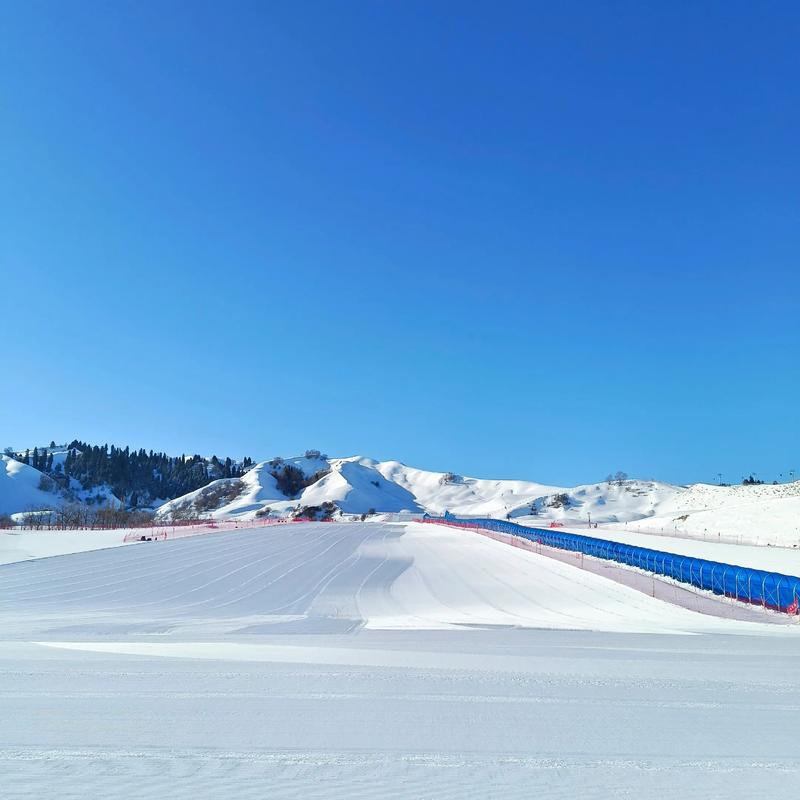
Why Opening Dates Vary So Much Across Xinjiang
Three factors decide when a Xinjiang resort opens, and they interact in ways that surprise first-time visitors.
- Latitude. The Altay region sits near 47-48 degrees north — comparable to southern Canada. Snow arrives early and stays cold. Urumqi’s nearby resorts sit closer to 43 degrees north, which shortens the shoulder season on both ends.
- Base elevation. Resorts with bases above 1,800 metres hold natural snow far better than valley-floor areas. Higher bases mean earlier, more reliable openings.
- Snowmaking capacity. Larger commercial resorts near Urumqi invest heavily in snow guns, letting them open on a fixed calendar date regardless of natural snowfall. Smaller mountains wait for the weather.
Because of that mix, “opening day” in Xinjiang is not a single regional event. It is a rolling six-week window that starts in the north and works its way south.
Altay Region: The Earliest Snow in China
The Altay Mountains are the heart of Xinjiang skiing and, arguably, the birthplace of skiing itself — local fur-ski traditions stretch back millennia. Resorts here typically begin operating in mid to late November, and the best of them run into early April.
Typical Altay Timeline
- Early November: first significant snowfalls; snowmaking begins on lower pistes.
- Mid to late November: soft openings with limited terrain — usually one or two lifts and a beginner area.
- Mid December: full terrain open, including upper bowls and tree runs.
- January to February: peak conditions, coldest temperatures, deepest base.
- March to early April: spring skiing with softer afternoon snow and longer daylight.
If deep, dry snow is your priority, the Altay region is where you want to be. Our detailed Altay ski trip guide covers logistics, lodging clusters, and how to structure a multi-day stay around storm cycles.
Urumqi Area Resorts: Convenient and Calendar-Driven
The cluster of ski areas within one to two hours of Urumqi serves the city’s large local market. These resorts are commercially run, heavily snowmade, and highly predictable. Most target late November to early December for opening and close in late March.
Their advantage is not snow quality — it is access. You can land at Urumqi’s international airport in the morning and be on snow by afternoon. That makes them ideal for short trips, warm-up days before heading north, or travellers with tight schedules. See our breakdown of Urumqi ski resorts for a resort-by-resort comparison.
What to Expect in the Shoulder Weeks
In late November, expect two to four runs open on machine-made snow, fully operational rental shops, and low crowds. By the second half of December, most terrain is open and weekend crowds pick up sharply. Midweek visits in early December offer the best combination of open terrain and empty lifts.
Smaller and Regional Ski Areas
Xinjiang also has a scattering of smaller mountains near cities like Yining, Karamay, and Tacheng. These are community-focused areas with two to five lifts, and their opening dates are the least predictable — often early to mid December, entirely dependent on natural snow.
- They rarely publish dates more than two weeks ahead.
- Snowmaking is limited or absent, so a warm November can delay opening by weeks.
- They are excellent value and a genuine window into local ski culture.
Treat these as bonus stops rather than trip anchors. Build your itinerary around a reliable resort, then add a regional area as a flexible day trip.
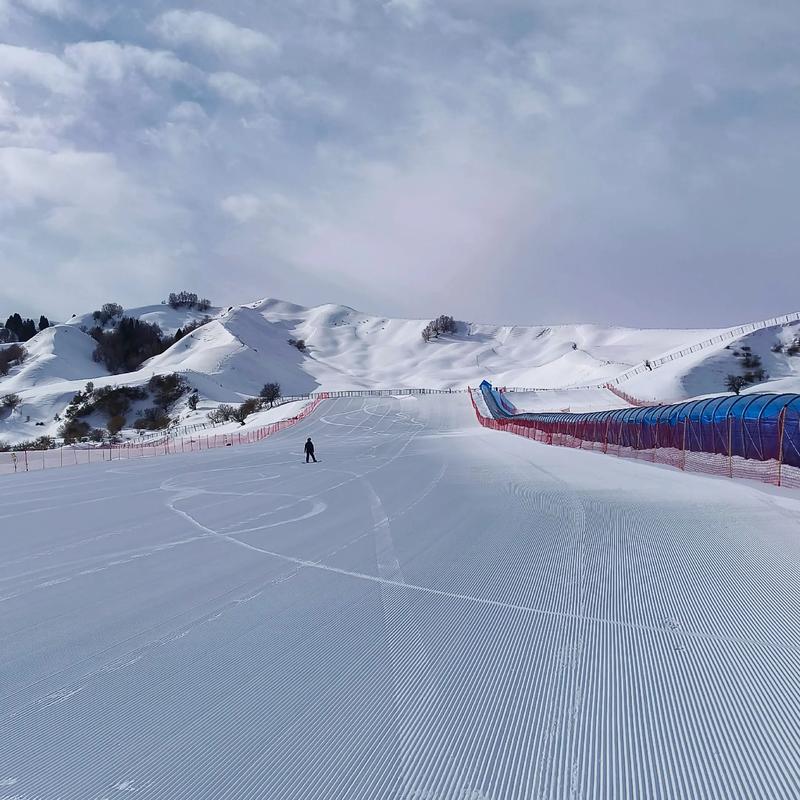
Month-by-Month: Choosing Your Window
November
Early season. Altay resorts open with partial terrain; Urumqi areas begin snowmaking or open a beginner zone. Prices are lowest, crowds are minimal, and cold temperatures preserve what snow exists. Accept limited terrain in exchange for solitude and savings.
December
Terrain expands quickly. By mid-month most lifts are running across the region. Temperatures drop hard — expect -15C to -25C in the north — so serious layering is essential. This is a strong choice for skiers who want full mountains without peak-season pricing.
January and February
Peak season. Maximum snow depth, best powder odds, and full operations everywhere. It is also the coldest stretch of the year and includes the Chinese New Year holiday, when domestic travel surges. Book lodging and rentals well in advance. For a deeper look at trade-offs, read our analysis of the best time to ski Xinjiang.
March and Early April
Spring conditions. Days lengthen, temperatures moderate into comfortable single-digit negatives, and the snowpack stays deep in Altay. Southern and lower-elevation areas start closing. Excellent for families, beginners, and photographers who want blue skies over white ridgelines.
How to Plan Before Dates Are Announced
Chinese resorts often confirm opening dates only two to four weeks ahead, which is awkward if you are booking international flights. A practical approach:
- Book flights for mid-December or later if you need certainty. By then every major Xinjiang resort is reliably open.
- Choose refundable or flexible lodging for November trips, and keep one buffer day in your itinerary.
- Follow resort social channels from late October onward — that is where soft-opening news appears first.
- Have a backup mountain. If a regional area is delayed, an Urumqi resort with snowmaking will almost certainly be running.
- Confirm rental shop hours separately; some open a week after the lifts do.
Gear logistics matter more in the shoulder season, when not every shop is fully stocked. Our guide to Xinjiang ski equipment rental explains what to expect and what to bring from home.
Practical Checklist for Early-Season Trips
- Pack for cold that exceeds most European or North American resorts — a genuine -25C system, not a -10C one.
- Bring goggles with two lens options; early-season light swings between flat grey and blinding sun.
- Expect firm, machine-groomed surfaces in November. Sharpen edges before you travel.
- Carry cash for smaller regional areas where card systems can be inconsistent.
- Allow extra transfer time; mountain roads take longer than map estimates in winter.
If this is your first trip to the region, our broader Xinjiang skiing guide pulls together visas, transport, culture, and on-mountain etiquette in one place.
The Short Answer
For the widest terrain with the least risk, target late December through February. For quiet slopes and lower prices, gamble on late November in Altay. For sunshine, soft snow, and family-friendly conditions, aim for March. Xinjiang’s season is long by Chinese standards — roughly five months at the northern resorts — so there is a right window for almost every travel style.
Frequently Asked Questions
When do Xinjiang ski resorts usually open?
Altay-region resorts typically open in mid to late November. Urumqi-area resorts open from late November to early December thanks to snowmaking. Smaller regional areas usually open in early to mid December, depending on natural snowfall.
Which Xinjiang resort opens earliest?
Resorts in the Altay Mountains open earliest because of their high latitude and elevation. In strong snow years, limited terrain can be skiable from the second week of November.
How long does the Xinjiang ski season last?
Northern resorts commonly run from mid-November into early April — around five months. Lower-elevation and southern areas have shorter seasons, typically closing in mid to late March.
Is November too early to visit?
Not necessarily. November delivers cold, dry snow and very few crowds, but terrain is partial and some lifts and shops are not yet running. It suits flexible, experienced skiers more than first-timers.
Do resorts publish opening dates in advance?
Usually only two to four weeks ahead, and dates can shift with weather. If you need certainty for international flights, book for mid-December or later when all major resorts are reliably open.
What is the best month for powder?
January and February bring the deepest, driest snow, especially in the Altay Mountains. These months also have the coldest temperatures, so cold-weather gear is essential.