

When a storm rolls into the Altai or Tianshan and the alpine turns to a whiteout, experienced skiers head for the trees. Forest skiing, or skiing through gladed runs, is one of Xinjiang’s greatest hidden pleasures: sheltered powder, better visibility, and a natural rhythm that turns a stormy day into the best of your trip. This guide covers where to find gladed terrain, how to ski it well, and how to stay safe among the birches and spruce. If you are still choosing a base, our overview of Xinjiang ski resorts will help you match a resort to the tree skiing you want.
Why Xinjiang Is Built for Tree Skiing
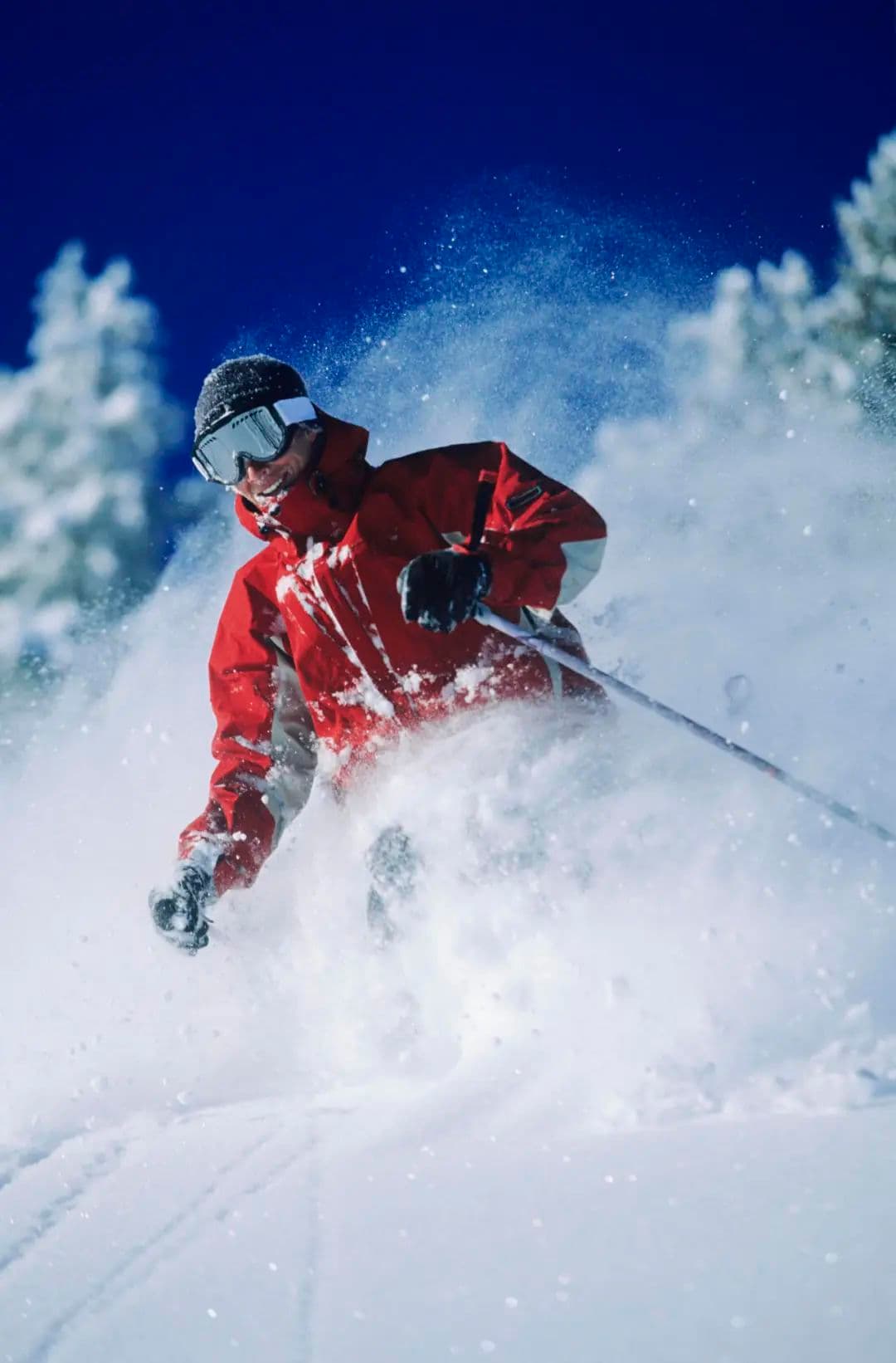
Xinjiang’s continental climate delivers cold, dry snow that stacks up beautifully in sheltered forest. Unlike coastal ranges where dense, wet snow clogs the trees, the region’s light powder settles evenly through the glades, filling in tracks and softening obstacles. The forests of the Altai, in particular, feature well-spaced birch and larch that create natural corridors for flowing turns. On storm days, when wind hammers the ridgelines and flat light erases the horizon, the trees give you depth perception and shelter, letting you keep skiing quality snow while the alpine sits closed.
Tianshan resorts near Urumqi also offer gladed sections, though the tree lines are often lower and tighter. Wherever you go, the appeal is the same: consistent powder, wind protection, and a playful, three-dimensional terrain that rewards good technique. For the deepest days, pair your tree skiing with our notes on backcountry powder skiing in Xinjiang.
Where to Find Gladed Runs
Not every resort maps its tree runs, so a little local knowledge goes a long way. Here is where to look:
- Below-ridge shoulders: The transition between open alpine and dense forest often hides the best-spaced glades.
- Lift-line trees: The forest flanking main lifts is usually accessible and lets you regroup easily.
- Sidecountry glades: Gate-accessed tree zones just outside the ropes; check the resort’s off-piste policy before entering.
The Altai resorts near Altay City and Koktokay are the standouts for forest skiing, thanks to their mature, well-spaced timber. Advanced skiers who want steeper, lift-served terrain between forest laps should also check the resort’s advanced zones.
It is worth understanding why Xinjiang’s forests ski so differently from the alpine. Below the tree line, snow is protected from the relentless winds that scour the ridges, so it stays soft and consistent for days after a storm. The canopy also filters direct sun, which slows the crusting and refreezing that ruins open slopes on clear afternoons. The result is a forgiving, predictable surface that lets you focus on flow rather than fighting variable snow. For skiers used to the wind-affected chalk of high alpine bowls, that consistency alone is a revelation.
How to Ski the Trees Well
Tree skiing rewards a specific technique. Keep these principles in mind:
- Look through the gaps, not at the trunks. Your skis follow your eyes, so focus on the open snow you want to ski.
- Stay compact and centered. Shorter, quicker turns and a strong athletic stance let you adjust instantly.
- Manage your speed. Glades demand control; ski at a pace that leaves you room to react to hidden obstacles.
- Use the terrain. Roll off small pillows and use natural banks to link turns smoothly.
Beginners should build confidence on open powder first before entering tighter forest. If you are still developing your off-piste legs, a lesson or a day with a local guide pays off quickly, and it is a smart step before tackling committing lines.
Equipment choices also make a real difference in the glades. Wider, more rockered powder skis float better and pivot faster in tight spaces, letting you make the quick, rounded turns that forest skiing demands. Softer boots and a slightly more upright stance help you stay mobile and absorb the small terrain features that fill a forest. If you rent locally, ask specifically for a powder or all-mountain setup rather than a stiff on-piste carver, and mention that you plan to ski trees so the shop can size you appropriately.
Reading the forest is a skill in itself. Well-spaced mature timber usually signals good, flowing lines, while dense young growth or thick undergrowth means slow, technical skiing and hidden obstacles. Learn to scan ahead and pick a corridor, committing to a line only when you can see your exit. On unfamiliar terrain, ski one pitch at a time and regroup often, both to stay together and to reassess the snow and spacing before dropping deeper into the trees.
Safety Among the Trees
Forest skiing feels safe because the terrain is enclosed, but it carries real hazards. Tree wells, deep pockets of unconsolidated snow around trunks, can trap a fallen skier, and skiing alone in the glades is genuinely dangerous. Always ski with a partner, keep each other in sight, and agree on regrouping points. Avalanche risk is lower in dense forest but not zero, especially near the upper tree line, so review our guidance on Xinjiang ski avalanche safety before heading out on big storm days.
Other practical tips:
- Carry a whistle and a charged phone in case you get separated.
- Keep your pole straps off in tight trees so you can free your hands instantly.
- If you fall into a tree well, stay calm, create an air pocket, and signal your partner.
Planning a Forest Skiing Day
Save your tree laps for storm days and flat-light mornings, then move to the open bowls when the sky clears. Basing near Altay gives you the best mix of forest and alpine within easy reach, and a self-drive or shuttle setup lets you chase the best aspects. For a broader itinerary that weaves in tree skiing, powder days, and rest, start from our overview of Xinjiang ski resorts and build your days around the weather. The glades will still be delivering soft, sheltered snow long after the tracks on the groomers have set up.
Frequently Asked Questions
Is forest skiing suitable for beginners?
Gentle, well-spaced glades can suit confident intermediates, but tight trees are for advanced skiers. Beginners should master open powder and speed control first, ideally with a lesson, before venturing into the forest.
Where is the best tree skiing in Xinjiang?
The Altai resorts near Altay City and Koktokay are the standouts, thanks to cold, dry powder and mature, well-spaced birch and larch forests that create natural corridors for flowing turns.
What is a tree well and why is it dangerous?
A tree well is a deep pocket of loose snow around a trunk. A skier who falls in headfirst can become trapped and suffocate. Always ski trees with a partner, keep visual contact, and never ski glades alone.
When is the snow best for gladed runs?
Storm days and the hours right after a storm are ideal, when fresh light powder fills the forest. December through February offers the most reliable cold, dry snow for tree skiing in Xinjiang.
Do I need special equipment for tree skiing?
Wider powder skis help you float, but standard all-mountain gear works fine. More important is a whistle, a charged phone, and skiing with a partner. Take pole straps off in tight trees to free your hands quickly.