

The lifts may close in spring, but Xinjiang does not shut down. Planning a Xinjiang ski off-season trip is one of the smartest moves a returning visitor can make, because the same mountains that deliver world-class powder also offer hiking, lakes, Silk Road history, and food markets that few skiers ever see. If your dates fall outside the snow window, or you want to stretch a ski holiday into a full regional adventure, the off-season opens a completely different side of the northwest. This guide covers what to do in the Altay and Tianshan regions once the skis are packed away, how to combine ski towns with cultural stops, and how to plan a trip that works in any month of the year without missing the best of the region.
When Is the Ski Off-Season in Xinjiang?
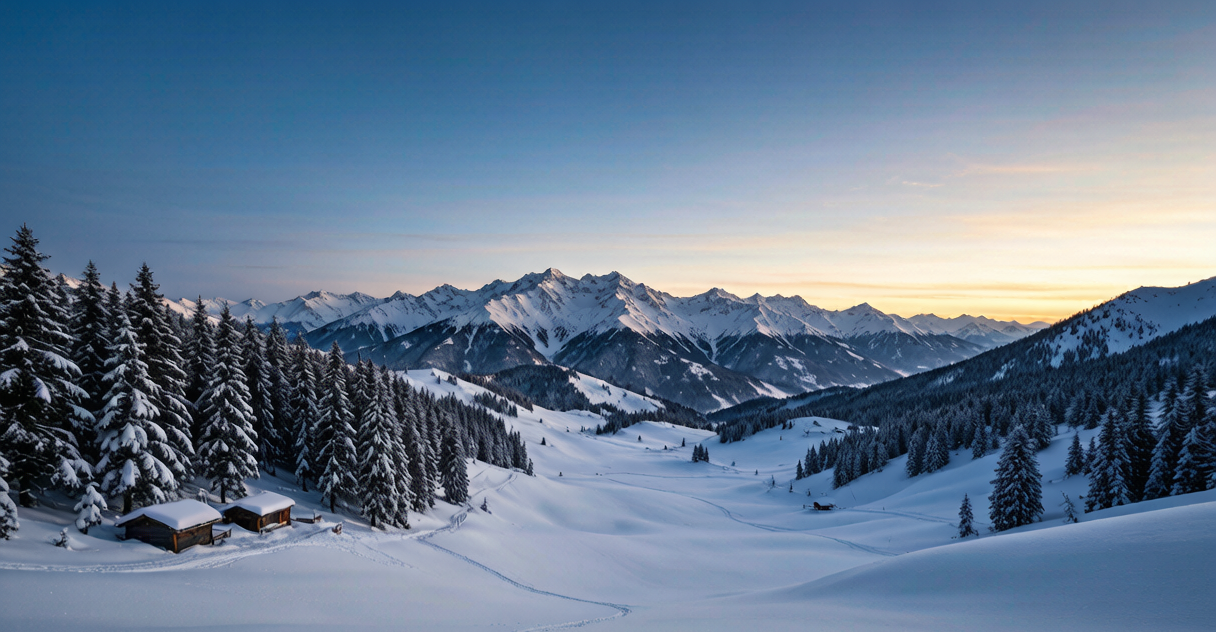
Most resorts wind down between early April and late November, with the exact window shifting by altitude and snow year. That leaves a long green season when chairs are parked but the landscapes are at their most lush. Spring brings melting rivers and wildflowers; summer is warm, dry, and perfect for high-country trekking; autumn paints the forests gold. Shoulder months, especially May and October, often mean fewer crowds and lower prices while the weather stays comfortable. Our Xinjiang ski weather monthly breakdown shows what to expect week by week if you travel outside winter, so you can pack and plan with confidence rather than guesswork.
Summer Adventures in the Altay and Tianshan
The Altay range that skiers love in January is a hiker’s paradise in July. Grasslands roll out under clear skies, rivers run cold and full, and the famous Kanas Lake region trades ice for emerald water ringed by forest. Around the Tianshan, high meadows and glacier viewpoints are reachable on foot or by cable car, and many ski areas keep their gondolas running for sightseers. Horse riding with local herders, photography walks, and camping under huge star fields are all easy to arrange. You will recognize the same ridgelines you carved in winter, now blanketed in green instead of white. The light is softer, the air is warm, and the trails are blissfully empty compared with peak ski weekends. Villages that hibernate under snow in February are alive with herding, festivals, and open guesthouses in summer, giving you a fuller sense of how people actually live in these mountains rather than just how they ski them.
Combine Ski Towns with Silk Road Culture
One of the best off-season tricks is to pair a mountain base with a cultural loop. Urumqi, Kashgar, and Turpan sit on historic trade routes and are far more pleasant to explore when you are not battling lift lines. Spend a few days in the mountains, then ride the train or fly to a Silk Road city for bazaars, mosques, and museums. This kind of mixed itinerary works for solo travelers and groups alike; our Xinjiang ski solo itinerary shows how to move independently, while the Xinjiang ski group trip planning guide helps larger parties coordinate transport and lodging across regions without friction.
Food and Markets Worth the Trip
Xinjiang’s kitchens are a highlight in any season. Off-season you can linger over meals without rushing back to an early groomer. Night markets serve wafting lamb skewers, hand-pulled noodles, and fresh produce from surrounding farms, while bakeries turn out sesame rings and stuffed flatbreads. Many dishes are naturally halal, which makes eating out straightforward for Muslim visitors. Warm up with our Xinjiang ski halal food guide, which maps the staple dishes and what to ask for, so you can order with confidence even if menus are in Chinese only. Beyond the famous grilled meat, try the laghman noodles tossed with seasonal vegetables, the dairy-rich suut borsok snacks, and the endless varieties of naan cooked against the walls of tandoor ovens. Eating slowly, sharing plates, and accepting a second cup of tea are part of the local rhythm, and off-season that rhythm is yours to enjoy without a schedule pulling you back to the slopes.
Photography and Quiet Trails
Without ski crowds, the off-season is a gift for anyone who enjoys slow travel. Bring a camera or just a phone and wander the lower trails, where wildflowers, grazing livestock, and distant snowcaps make easy compositions. Early morning mist over a mountain lake is worth setting an alarm for, and the golden hour before sunset turns ordinary meadows into postcard scenes. Because the resorts are quiet, you can often walk the access roads and base areas freely, chat with staff who have time to talk, and see how a ski village actually lives once the season ends. It is a calmer, more local version of a place most visitors only ever see at full speed.
Shoulder-Season Deals and Slower Paces
Traveling outside peak winter usually means cheaper hotels, easier train tickets, and empty trails. For budget-conscious visitors this is the sweet spot. Flights into Urumqi and regional connections are often more available, and tour operators have room to customize. If cost drives your dates, scan the Xinjiang ski budget breakdown so you know the realistic daily spend, then build a flexible plan around it rather than locking in expensive winter rates you do not need in green season.
Planning a Year-Round Xinjiang Trip
The takeaway is simple: do not let the calendar limit you. Xinjiang rewards visitors in every season, and the ski regions are far more than winter playgrounds. Build a flexible skeleton around the mountains, then layer in culture, food, and nature depending on the month. Check entry rules early with the Xinjiang ski China visa guide, book transport loosely, and leave space for detours. Whether you come for powder or for the green-season silence of the same peaks, the northwest delivers a trip worth the long flight.
Frequently Asked Questions
Can I still visit ski resorts in the off-season?
Yes. Many bases keep gondolas, cafes, and lodging open for sightseers, and the surrounding trails are excellent for hiking and photography even when snow is gone and the lifts are no longer running for skiers.
What is the best off-season month to visit Xinjiang?
May and September strike the best balance of mild weather, open roads, and smaller crowds. Summer is gorgeous but busier, while early spring can still be cold and muddy at higher elevations near the resorts.
Is the off-season cheaper than winter?
Generally yes. Accommodation and transport ease in price once ski demand drops, though major holidays can still spike costs, so book around local festival dates and avoid the national holiday weeks if your budget is tight.
Do I need different documents for a non-ski trip?
The visa and permit rules are the same regardless of season. Review the China visa guide before you travel, and allow extra time for any restricted border regions that require advance permission even outside winter.
Can I combine skiing and summer activities in one trip?
Only if you visit during the shoulder months when some lifts run and late or early snow is still around. Otherwise, plan separate winter and summer trips to get the best of each season without compromising either.