

Most powder-hungry visitors fly into Xinjiang for the deep, dry snow of the Altay Mountains and never look further south. That is a missed opportunity. Pairing a few days on the slopes with a Xinjiang ski Kashgar side trip gives you the best of two worlds: world-class winter riding in the north, followed by the living Silk Road history of the far south. This guide explains how to combine both without exhausting yourself, what the winter weather is really like in Kashgar, and how to build an itinerary that flows logically from cold-smoke turns to warm bowls of hand-pulled noodles.
Kashgar (Kashi) sits roughly 1,500 km southwest of the ski country around Altay and Urumqi, so this is not a same-day add-on. It works best as a two- or three-day cultural bookend at the start or end of a ski week. If you are already committing to the long-haul flights it takes to reach Xinjiang, the extra internal hop is a small price for one of Asia’s most atmospheric old towns.
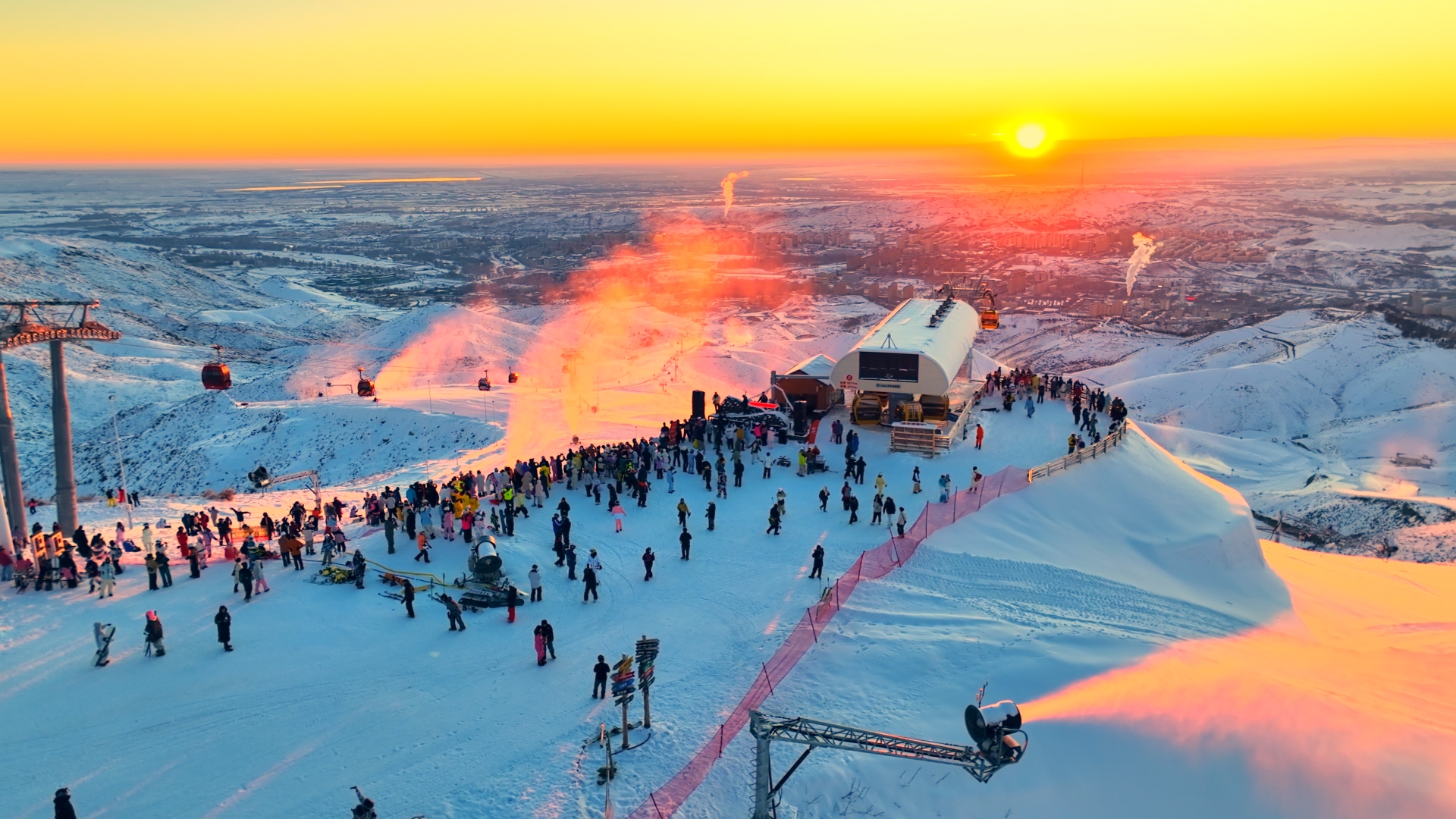
Why add Kashgar to a ski trip?
Skiing shows you the wild, mountainous face of Xinjiang. Kashgar shows you its human history. The two experiences complement each other beautifully. After days of physical effort in the cold, the slow rhythm of the Old Town — tea houses, coppersmiths, the Id Kah Mosque and the famous Sunday Bazaar — is a gentle way to decompress before flying home.
- Fewer winter crowds: Kashgar’s peak tourist season is summer and autumn, so a winter visit means quiet lanes and easy photography.
- Authentic food: lamb polo, samsa, and freshly baked nan taste even better after a day in the mountains.
- Contrast: going from snowfields to a desert-edge oasis city in one trip is a genuinely rare travel story.
- Better value flights: since you are already paying for long-haul travel to reach the region, the short internal hop to Kashgar adds relatively little to the overall cost.
If you are still deciding whether the whole region is worth the effort, our complete Xinjiang skiing guide lays out the case for the north; think of Kashgar as the cultural reward at the end.
When to go: winter weather in Kashgar
Kashgar winters are cold but dry. Daytime highs in December and January often hover around freezing, with crisp, sunny skies and little snow in the city itself. That makes it comfortable for walking tours as long as you keep the same insulated layers you packed for the slopes. Because the ski season and Kashgar’s clear winter days overlap, planning the timing is straightforward — check our advice on the best time to ski in Xinjiang and simply tack the city days onto either end.
How the seasons line up
The northern ski resorts are reliably open from late November through March. Kashgar is a year-round city, so there is no closed window to worry about. The only real constraint is daylight: winter days are short, so front-load your sightseeing to the morning hours.
Getting from the slopes to Kashgar
The practical route is to ski first in the Altay region, transit back through Urumqi, then fly south. Urumqi is the hub for everything, and understanding it is half the battle — our page on how to get to Xinjiang for skiing covers the entry logistics.
- Ski days: base yourself near Altay for the powder, then drive or fly back to Urumqi.
- Urumqi to Kashgar: the domestic flight takes under two hours and runs daily. Trains exist but eat a full day.
- Return: fly Kashgar back to Urumqi, then connect to your international departure.
If you would rather not backtrack, some travelers do Kashgar first, then fly north to ski — either order works. For a full multi-day framework, our Xinjiang ski trip itinerary can be extended by two to three days at either end.
What to do in Kashgar in winter
Two full days is enough to see the highlights at a relaxed pace:
- Kashgar Old Town: wander the restored earthen lanes early, before shops open, for the best light.
- Id Kah Mosque: the spiritual heart of the city; dress modestly and respect prayer times.
- Sunday Bazaar and Livestock Market: if your dates allow, this is the single most vivid experience in the region.
- Tea houses: settle into a rooftop spot, order a pot, and watch the Old Town wake up.
These calm cultural days pair naturally with the more immersive experiences described in our guide to Xinjiang ski cultural experiences, so the whole trip feels like one story rather than two disconnected halves.
Practical tips for winter days
Short winter daylight is the main thing to plan around. Aim to be out exploring by mid-morning and use the fading light for tea houses and indoor food stops. Keep the same base layers and insulated jacket you used on the slopes; you will not need to buy anything extra. Cash is still useful in the smaller lanes of the Old Town, though mobile payments dominate elsewhere. Finally, remember that many outdoor market stalls wind down early in winter, so front-load your bazaar browsing to the morning.
Respecting local customs
Kashgar is a deeply traditional city with a strong Uyghur cultural identity. Dress modestly around religious sites, ask before photographing people, and be patient and courteous in markets. A little respect goes a long way and often opens the door to warmer, more genuine encounters — a shared pot of tea, a demonstration from a coppersmith, or directions to a family-run noodle shop tourists rarely find.
Budgeting the combined trip
Adding Kashgar increases cost mainly through the extra flights and two or three nights of accommodation. Guesthouses in the Old Town are inexpensive in winter, and food is cheap everywhere. To keep the whole trip in proportion, plan the ski portion against our breakdown of Xinjiang ski trip costs and treat the Kashgar leg as a modest cultural top-up rather than a second full holiday.
Sample 9-day north-then-south plan
- Days 1–2: Arrive Urumqi, transfer to Altay ski base.
- Days 3–5: Ski the Altay powder.
- Day 6: Return to Urumqi, fly to Kashgar.
- Days 7–8: Explore Kashgar Old Town, mosque, and bazaar.
- Day 9: Fly Kashgar–Urumqi, connect home.
Frequently Asked Questions
Is it worth adding Kashgar to a ski trip?
Yes, if you have at least nine days total. The cultural contrast is one of the most memorable parts of visiting Xinjiang, and winter is a wonderfully quiet time to see the Old Town.
How cold is Kashgar in winter?
Cold but dry, with daytime temperatures around freezing and mostly clear skies. The insulated layers you bring for skiing are perfect for walking the city.
Can I ski near Kashgar itself?
No. The serious snow is in the north around Altay. Kashgar is a cultural side trip, not a ski destination, which is exactly why the pairing works.
How many days do I need in Kashgar?
Two full days covers the Old Town, Id Kah Mosque, and the main markets at a relaxed pace. Add a third if you want to catch the Sunday Bazaar.
What is the easiest way to get there from the slopes?
Ski in Altay, return to Urumqi, then take the short domestic flight south to Kashgar. Reverse the order if you prefer to end on the slopes.