
I have now skied Altai Jiangjunshan ski resort across three separate winters, and it remains the resort I send nervous first-timers and short-stay visitors to first. This Jiangjunshan ski resort review is the honest, no-brochure verdict: what is genuinely good, what is merely fine, and who should put it on their Xinjiang list. It is written to sit alongside the Xinjiang ski resorts directory and our Xinjiang Skiing Guide, not to replace them.
The Short Verdict
Jiangjunshan is not the biggest or the most extreme hill in Xinjiang — and that is precisely its strength. It is a compact, city-edge resort that delivers real Altai powder with almost none of the logistical friction of the region’s remote hills. If you want a gentle, convenient, genuinely fun introduction to northern Xinjiang skiing, it is excellent. If you want huge vertical and wilderness solitude, you will outgrow it in a day or two and should push on to Cocoa Tuohai ski resort or Hemu. For its intended job — easy access to good snow — it earns a strong recommendation.
Location and Getting There
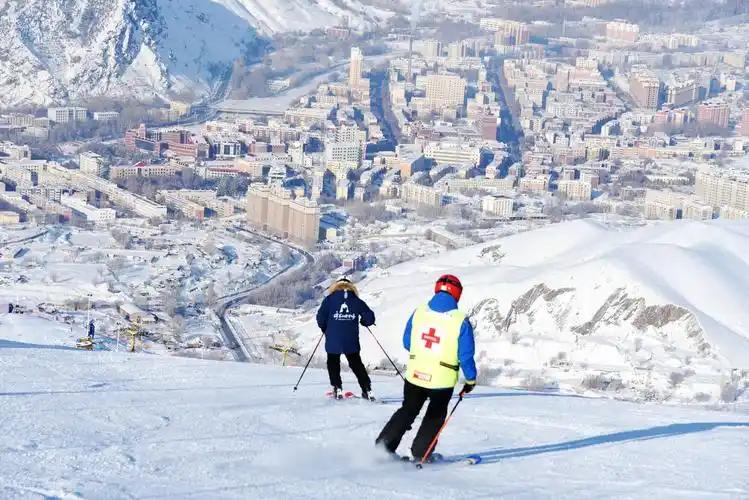
The standout feature is location. Jiangjunshan rises on the southern edge of Altay city, so you can fly in, drop your bags at a city hotel, and be on a chairlift within the hour. That is almost unheard of in a region otherwise defined by long mountain drives, and it shapes the whole experience: you sleep in a real town with real restaurants, not a resort bubble. The trade for that convenience is a modest vertical compared with the deeper Altai hills, but the short transfer is worth more than the lost metres for most visitors. Plan the last leg with the Xinjiang ski resort transfers guide if you are coming from Urumqi.
The Slopes and Terrain
The mountain is compact but smartly laid out. The front face is a broad, sunny bowl with wide boulevards that suit beginners and confident cruisers alike; the sides step up into steeper pitches and gladed trails where the snow piles into the caches the Altai is famous for. Because the resort backs onto the city, lift rides are short and you are never far from the base — a real plus when the temperature drops and you want a hot-tea interlude. You can ski more runs in a morning here than you might bother with at a bigger, more remote hill, which makes it feel efficient rather than small.
Lifts and Infrastructure
The lift network is modern but modest — smaller than the Tianshan giants like Silk Road, but quick and well maintained. Magic carpets handle first-timers on the beginner zones, and the chairs keep queues short outside weekend peaks. Base facilities are functional: a warm canteen, a decent rental counter, and heated rest areas rather than alpine glamour. English signage is thinner than at the Urumqi flagships, so a translation app helps, but the layout is simple enough to navigate by feel. For current pass structure and pricing, the lift ticket guide is the reference.
Snow and Season
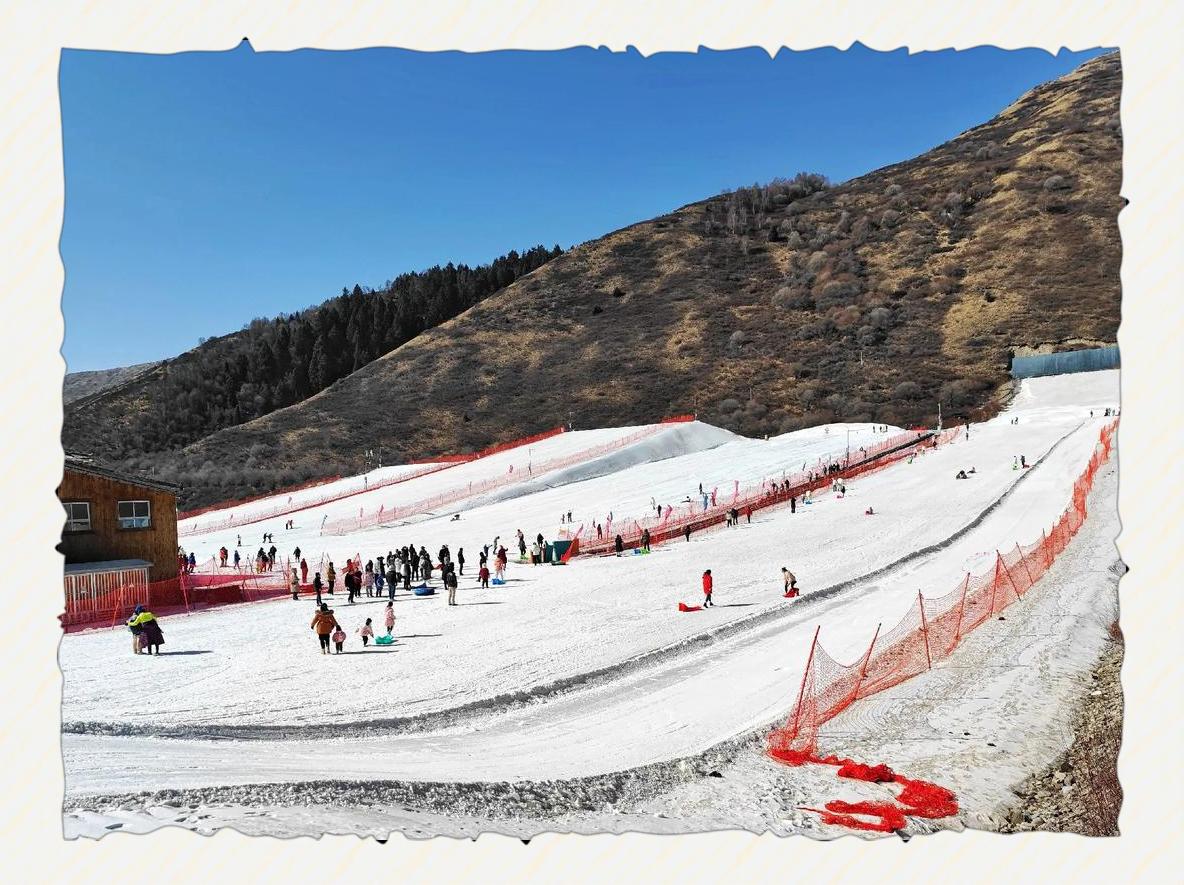
This is where Jiangjunshan punches above its size. Sitting in the Altai, it shares the region’s dry, deep, abundant snow — light powder that squeaks under your skis after a Siberian front. The season typically runs early December into late March, with January and February the deep-snow sweet spot. Because the hill is close to town, snow consistency is reliable for its elevation, and you get a genuine taste of Altai powder without a backcountry expedition. It is the easiest place in the north to sample the region’s signature snow.
Night Skiing
Jiangjunshan’s floodlit main face is one of the best night-skiing experiences in Xinjiang, and a genuine highlight rather than a gimmick. Given the short winter daylight, the lit runs stretch your day meaningfully, and on a clear evening the city lights below and the lit piste above make for a memorable run. For a short-stay visitor arriving on an afternoon flight, the night session means you can ski the same day you land — a small but real advantage over the remote hills that close at dusk.
Crowds and Vibe
Weekday, Jiangjunshan is relaxed almost everywhere — you will often have a run to yourself. Weekend afternoons bring local crowds, especially on the beginner boulevards, but it rarely feels overwhelmed the way a Japanese or Alpine resort can. The atmosphere is friendly and unpretentious: a northern Chinese city hill where people come to ski, eat noodles, and go home. Locals are quick to share a lift-line tip or a recommendation for the best canteen dumplings, which adds to the welcoming feel. If you want empty slopes, ski midweek; if you enjoy a bit of local energy, weekends are fine.
Value
For what you get, Jiangjunshan is outstanding value. Lift tickets are cheap by any global standard, the city base keeps lodging and food costs down, and you skip the private transfers that remote hills demand. It is the bargain entry point to Altai powder, and the savings compound if you are travelling as a family or a group. The only line that costs a little more is the occasional private transfer from Urumqi, but most visitors fly straight to Altay and avoid it entirely.
Who Should Ski Jiangjunshan
- Beginners and families: wide, safe lower slopes and a city full of amenities — the gentlest on-ramp in the north.
- Short-stay visitors: if you have one ski day in Altay, this is the efficient, high-value choice.
- Powder-curious: a low-commitment way to sample Altai snow before heading deeper.
- Non-skiers in the group: a real town to explore while you are on the hill.
The Downsides, Honestly
No review is useful without the weak points. The vertical is modest, so expert riders will want more after a day or two. English instruction is limited, so book lessons ahead. The base lodge is basic rather than plush, and the city-edge setting means you trade wilderness views for skyline. None of these are deal-breakers for the resort’s audience, but they matter if you were expecting a remote powder cathedral — for that, go deeper north.
Frequently Asked Questions
Is Jiangjunshan good for beginners?
Excellent. Its wide lower slopes and magic carpets make it one of the easiest places to learn in Xinjiang, with a city of amenities right behind it.
How does it compare with Cocoa Tuohai?
Jiangjunshan is convenient and beginner-friendly with a city on its edge; Cocoa Tuohai has bigger vertical and wilder scenery but is more remote. Different jobs.
Can I ski it without a car?
Easily — it is the most public-transport-friendly resort in the Altai, minutes from Altay city by taxi or shuttle.
Is night skiing worth it?
Yes. The floodlit face is a highlight and lets you ski the same day you arrive; clear evenings with the city glowing below are memorable.
How many days do I need?
A day is enough as a standalone; two lets you add a night session and a relaxed city evening. Pair with nearby hills for longer.
Is it worth flying to Altay just for this?
If you only want one hill, maybe not — but as the on-ramp to the Altai’s deeper resorts, it is the natural first stop and well worth the flight.