

Xinjiang serves up some of the most photogenic ski scenery on earth: endless Altai powder, frozen lakes, and resort lights glowing against deep blue dusk. If you are planning a trip, a few simple Xinjiang ski trip camera habits will help you come home with shots worth keeping instead of a memory card full of grey glare. This guide covers the gear, the settings, and the small tricks that make snow photography actually work, whether you shoot on a phone or a serious camera.
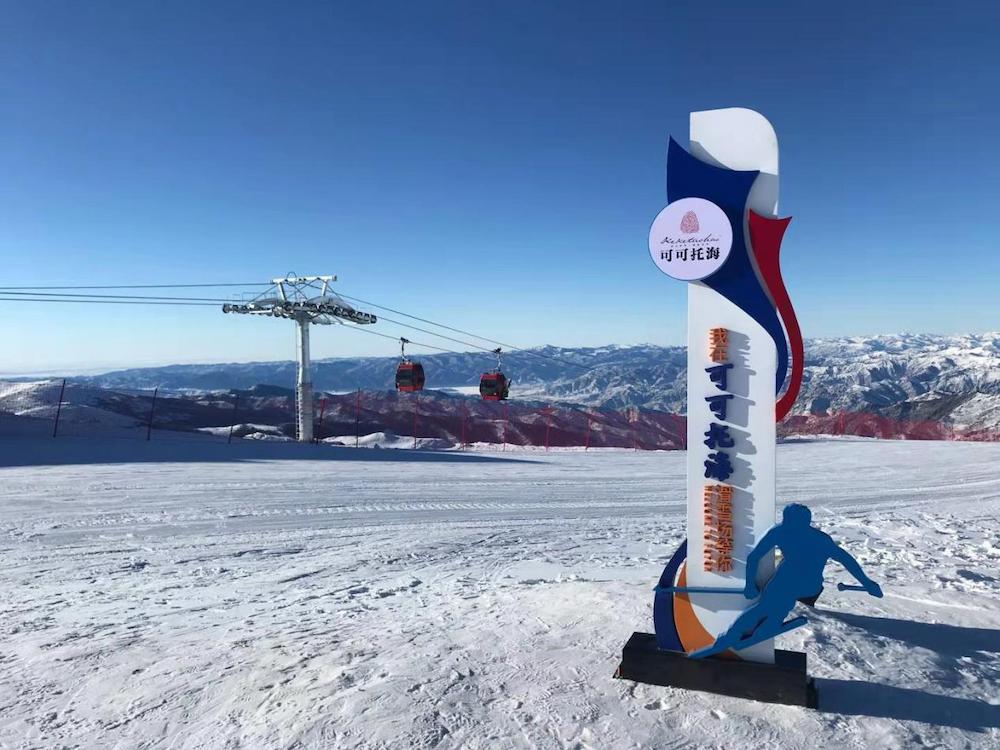
Why Xinjiang Is a Photographer’s Dream
The region combines high-altitude light, frequent bluebird days, and dramatic mountain backdrops. The best time to ski Xinjiang also tends to deliver the clearest air, which means sharper, more saturated images with less haze. From the famous resorts near Urumqi to remote Altai villages, you can shoot everything from groomed slope action to untouched backcountry silence in a single day. The light at altitude is intense and clean, and because many slopes face open valleys, you get long, raking side-light that sculpts the snow into visible texture rather than a flat white sheet.
Gear to Bring (and What to Leave Behind)
- A mirrorless or DSLR body with a weather-sealed build if you can afford it.
- One versatile zoom (24-70mm or 24-105mm) covers most slope and portrait shots.
- A light telephoto (70-200mm) for compressing mountains and catching skiers mid-air.
- At least two extra batteries — cold kills them fast.
- A small cloth and a dry bag to fight snow and condensation.
You do not need pro gear. Modern phones shoot excellent ski video, and many Xinjiang ski resorts look stunning even on a pocket camera. Rentals are also an option: check Xinjiang ski equipment rental shops near the base for action cams and gimbals. If you are flying in, leave the heavy tripod at home unless you specifically want blue-hour resort shots, and travel with your camera in a padded backpack that doubles as a day pack on the hill.
Camera Settings for Snow
Snow fools your meter into underexposing, so brighten things up. Use aperture priority around f/8 for landscapes, shutter priority at 1/1000s or faster for action, and bump exposure compensation to +1 stop in bright conditions. Shoot RAW so you can rescue highlights later. Keep ISO low (100-400) for clean images when the sun is out. For video, use a fast shutter (1/120s at 60fps) and stabilise with a gimbal or the camera’s in-body stabilisation; the slow-motion spray shots that look best are filmed at 100-120fps and slowed down in edit.
Protecting Your Kit From Cold and Snow
Never swap lenses in falling snow. Keep the camera inside your jacket between shots, and let it warm up slowly in a sealed bag before bringing it indoors to avoid condensation on the sensor. Silica gel packets in your camera bag are cheap insurance. When you move from a freezing slope into a warm lodge, seal the camera in the dry bag first and wait twenty minutes; the slow warm-up keeps moisture off the glass and the electronics.
Composition: Making the Snow Pop
Great ski photos are about contrast, not just exposure. Put a brightly dressed skier against a dark stand of spruce, or frame a lone track crossing a vast white field to show scale. Use the rule of thirds for landscapes, but break it for action: centre a jumper at the peak of a pop for raw energy. Look for colour — a red jacket, a blue sky, a golden-hour slope — because monochrome white-on-white is the easiest way to make a great day look boring.
Shooting on the Slopes
For action, pan with the skier and use burst mode. Crouch low for a sense of speed, or shoot from above the lip of a run for drama. Backlight at sunrise and sunset turns spray into gold, so plan a few runs around the edges of the day. The Altay ski trip guide is especially useful for finding those low-angle light windows in the far north, where the mountains catch first and last light hours before and after the resorts near the cities. Keep your dominant eye open, pre-focus on the spot where the skier will pop, and hold the shutter as they hit it.
Shooting Video and Short Clips
Video tells the story that stills cannot. Mount an action cam on your chest for a first-person run, then mix those clips with a few stable tripod shots of the resort at dusk. Keep clips short — three to eight seconds — and let the edit do the talking. Add a little slow motion on the spray and a gentle soundtrack, and a single good run becomes a clip worth sharing. Avoid zooming while recording; digital zoom ruins quality, and a slow walk-in with your feet reads better anyway.
Capturing People and the Après Scene
Some of the best memories are off the snow. Warm cabins, noodle stalls, and tired grins make honest portraits. Use a wide aperture (f/1.8-f/2.8) indoors and raise ISO rather than blasting harsh flash. After the lifts close, the après-ski scene in Xinjiang offers colourful, low-light moments worth a higher ISO and a steady hand. Ask before you photograph strangers, and shoot candidly from the side rather than straight on; people relax once the camera is part of the room rather than pointed at them.
Editing Without Overdoing It
Edit lightly. Pull back the highlights, lift the shadows a touch, and add a little clarity to give the snow texture. Resist the urge to push saturation to cartoon levels; realistic cold-blue shadows with warm lodge light is the look that sells “Xinjiang” rather than “filter pack”. A consistent preset across the trip ties your gallery together, and a quick star rating pass each night keeps the keepers from drowning in near-duplicates.
Staying Safe While You Shoot
Your camera is not worth a torn ACL. Pick safe spots off the fall line, never stop in a blind compression, and keep one eye on your own edges. A wrist strap saves both phone and camera in a tumble. If you head into the backcountry for photos, go with a local guide and the right safety gear. Battery packs and phones also fail in the cold, so tell someone your plan and carry a paper map of the zone you intend to shoot.
Frequently Asked Questions
Do I need a drone to get good Xinjiang ski photos?
No. Drones are restricted around many resorts and near borders, and a good zoom lens on the ground often beats an aerial shot. Always check local rules before flying, and remember that a permit is required in restricted zones.
What is the biggest mistake skiers make with cameras?
Underexposing snow. Add about one stop of exposure compensation in bright conditions and you will immediately see richer, whiter snow instead of dull grey. Bracketing three shots is the safe habit if you are unsure.
How do I keep my phone working in the cold?
Keep it in an inside pocket close to your body, carry a power bank, and only pull it out when you are ready to shoot. Cold drains batteries within minutes if left exposed, so a chest-mounted pouch beats an outside jacket pocket.
Can I rent camera gear in Xinjiang?
In the big resorts yes, and several Xinjiang ski equipment rental shops near the base offer action cameras. Book ahead in peak season, because the good units disappear by mid-December.
Is it worth bringing a tripod?
For blue-hour resort lights and night skies, yes — a lightweight travel tripod pays off. For slope action, leave it at the hotel. A mini clamp that grips a railing is a clever substitute for blue-hour shots.
How should I back up photos on the road?
Carry a small SSD or a phone with a card reader and copy each night. Cloud uploads are slow in remote valleys, so local backup is your safety net, and a second card in a different pocket protects against loss.