

Deep in Aksu Prefecture, on the southern side of the Tianshan, Wushi County (also spelled Uqturpan) has quietly become one of southern Xinjiang’s most surprising winter destinations. Its centerpiece is the Quanyu Xingkong International Ski Resort, a large mountain resort that brings genuine downhill skiing to a region better known for deserts and oases. For travelers compiling a Xinjiang ski resorts list, Wushi is proof that the snow does not stop at the northern ranges and that the south has its own winter story to tell. 
Quanyu Xingkong International Ski Resort
Located in Alasayi Village, Aotebehi Township, about 7 km from Wushi county seat, Quanyu Xingkong covers more than one million square meters and ranks among the larger ski areas in southern Xinjiang. It pairs a multi-function ski zone — beginner, intermediate and advanced runs plus a separate play-snow park — with a 2,500-square-meter heated lobby where boards, boots, helmets and poles are laid out for rental. A magic carpet carries skiers to the top of wide, rolling trails, and a rainbow tube lane adds color to the white slopes. After a recent upgrade the resort added two new advanced trails on top of its original seven, pushing the total to nine marked trails.
For context on the wider region, our Xinjiang skiing guide explains how resorts like this one extend the season far beyond the famous Altay resorts, giving southern Xinjiang its own credible place on the national ski map.
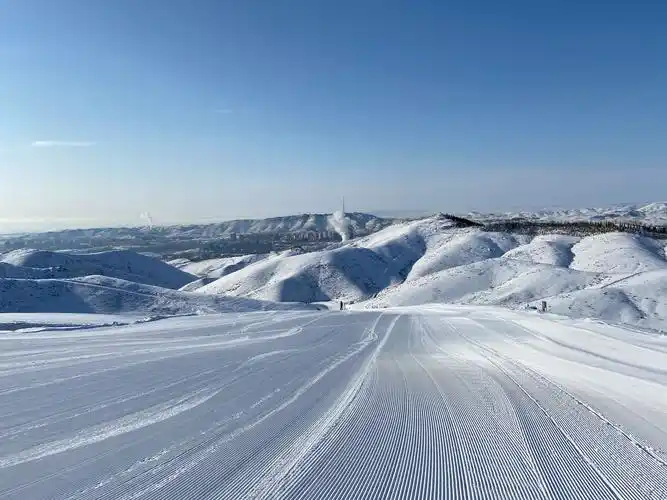
Trail Guide: Choosing Your Run
The layout is friendly to progression, so you can start small and work upward through the day without leaving the resort.
- Beginner trails: wide, gently graded slopes served by the magic carpet — the safest place to find your edges.
- Intermediate runs: longer fall-line descents for skiers comfortable with parallel turns and speed control.
- Advanced trails: the two new black runs added in the latest upgrade for confident riders wanting a real descent.
- Play-snow park: tubing, rainbow slides and family zones separate from the ski trails so kids can roam freely.
Silk Road Ice Festivals & Winter Culture
Wushi’s 2025–2026 winter program, branded “Silk Road Winter Charm, Snowy Wushi,” launched on 27 December 2025 and runs through early April 2026, overlapping the “Celebrate the New Year at the Foot of the Tianshan” regional campaign. The opening at Quanyu Xingkong featured dragon drums, youth dance troupes and a cultural bazaar with embroidery displays, history and photography exhibitions, intangible-heritage performances, and a traditional-medicine wellness zone serving herbal milk tea. A national alpine skiing mass-event was scheduled for February, and the county logged 14,900 visitor arrivals during the New Year holiday alone.
This cultural layering sets Wushi apart from the northern giants. Where Altay, the birthplace of skiing, leans on deep powder and birch-bark ski heritage, Wushi blends downhill sport with Silk Road bazaar energy — a different but complementary face of Xinjiang winter that rewards travelers who look beyond the obvious resorts.
Where to Stay & Eat
Most visitors base themselves in Wushi county seat or make a day trip from Aksu city, roughly an hour’s drive east. County-seat hotels are modest but warm, and the resort’s own lobby has a fast-food counter, supermarket and VIP rest area added in the latest upgrade. Around the closing ceremonies and holidays, local guesthouses near the ski base fill quickly, so booking ahead pays off. The food is half the fun: roast stuffed buns, milk tea, whole-roast lamb, pilaf and corn naan refuel a day on the snow, and the wellness zone’s herbal drinks are a welcome contrast to the cold.
Folk Games, Hiking & Local Life
Around the resort, Wushi threads winter sport into local life. The “Yanquan Mountain hike + ski run” combo lets visitors walk through hoarfrost-covered forests and then carve turns on the same day. In Aheya Township, horse races, goat-grabbing and wrestling draw crowds, while Imam Township hosts women’s volleyball tournaments. Across the 2025 winter the whole county welcomed more than 246,000 visitors and 53 million yuan in tourism revenue — a clear sign that “cold resource” is becoming “hot economy” in southern Xinjiang too.
Getting Around the County
Within Wushi the ski resort and the county-seat venues are close enough that a short taxi or shuttle covers the gap, but the wider winter program spreads across township ice rinks in places like Aheya and Imam, where the folk games happen. Hiring a car with a local driver for the day is the simplest way to catch both the slopes and a village horse-race without missing the last shuttle back. Roads are well maintained in winter, but carry chains and start early, since daylight is short and mountain passes can ice over after dark.
Getting There & Practical Tips
Wushi is roughly an hour-plus drive from Aksu city, and the county’s series of winter activities spreads across multiple township ice rinks, so a rental car or a joined tour works best. Southern Xinjiang’s snow window is shorter and warmer than the north, so check the forecast before you go. For route planning, see our map of where to ski in Xinjiang and review the best time to ski in Xinjiang before you book, because timing matters more here than it does up in the Altay ranges.
Southern vs Northern Xinjiang Skiing
Travelers often ask whether southern Xinjiang resorts can match the famous northern ones. The honest answer is that they serve different goals. Northern resorts such as those around Altay offer deeper snow, longer seasons and serious backcountry, while southern venues like Quanyu Xingkong trade extreme terrain for accessibility, warmer days and richer cultural programming. For a first winter in Xinjiang, or for families with mixed abilities, the south is a friendly, low-pressure entry point; for powder hunters, the north remains the headline act. Many visitors do both, treating Wushi as a warm-up before the big northern ranges.
When to Avoid the Crowds
Like most Xinjiang resorts, Quanyu Xingkong is busiest during the Spring Festival holiday and on weekends through January and February. Arriving right at the 10:00 opening or visiting on a weekday in early December or late March keeps the trails quiet and the rental lines short. The county’s festival calendar peaks around New Year and Lantern Festival, so check the event dates if you prefer either maximum atmosphere or minimum waiting.
- Quietest: early December and mid-to-late March weekdays.
- Busiest: Spring Festival week and weekend afternoons in January.
- Best atmosphere: New Year opening and the Lantern Festival closing events.
Frequently Asked Questions
Where is Quanyu Xingkong ski resort?
It sits in Alasayi Village, Aotebehi Township, about 7 km from Wushi county seat in Aksu Prefecture, southern Xinjiang, roughly an hour’s drive from Aksu city.
How big is the resort?
It spans more than one million square meters with nine trails (seven original plus two new advanced runs), a play-snow park, a rainbow tube lane and a 2,500-square-meter heated lobby.
When is the winter season?
The 2025–2026 “Silk Road Winter Charm” program opened on 27 December 2025 and runs through early April 2026, covering New Year, Spring Festival and Lantern Festival.
Is Wushi good for beginners?
Yes. Wide beginner and intermediate trails, on-site rental and a magic carpet make it approachable, while the two new advanced runs give stronger skiers room to progress.
What else is there besides skiing?
Hoarfrost hiking, folk horse games, women’s volleyball, embroidery and intangible-heritage shows, plus a food bazaar — Wushi packages sport with Silk Road culture for a full winter day out.