

Most travellers first meet Xinjiang on its northern slopes — Altay powder, Urumqi night skiing, the big resorts of the Tianshan. Far fewer realise that the country’s westernmost prefecture, Kizilsu Kirgiz Autonomous Prefecture (克孜勒苏柯尔克孜自治州, usually shortened to 克州), has quietly opened a string of winter playgrounds where the Pamir Plateau meets the Tarim basin. If you want a ski trip that feels different from the crowded northern circuits, Kizilsu ski resorts deliver Kyrgyz culture, dramatic canyon scenery and a genuinely frontier atmosphere that is hard to match anywhere else in the region. 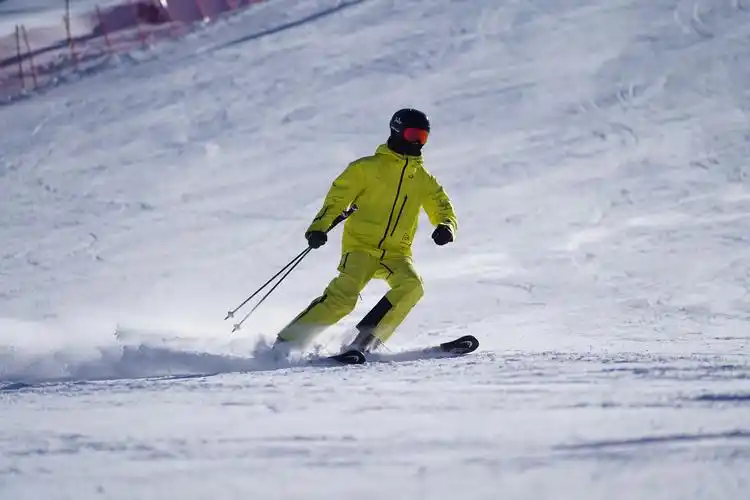
Why Ski the Westernmost Prefecture
Kizilsu sits at the very edge of China, bordering Kyrgyzstan and Tajikistan, and its population is dominated by the Kyrgyz (柯尔克孜) and Tajik peoples rather than the Han or Uyghur majorities found elsewhere in Xinjiang. That alone makes a winter visit here feel like a different country. The prefecture’s seat, Artux (阿图什), lies barely an hour’s drive from Kashgar, so you can pair a few days of Silk Road old-town wandering with fresh tracks on snow. Winter here is cold and crisp, with reliable snowfall on the surrounding mountains and a cultural calendar built around the New Year holidays. For skiers used to the mega-resorts up north, the appeal is precisely the small-scale, local character of the slopes and the chance to meet herders and artisans who rarely see tour buses. Roads are good, signage is improving, and the sheer novelty of skiing within sight of Central Asian border ranges is its own reward.
Artux Tianmen Ski Resort — Southern Xinjiang’s Largest
The headline destination is Artux Tianmen Ski Resort, billed as the largest and first high-standard alpine ski resort in southern Xinjiang. Opened on 1 January 2026 as the centrepiece of the “Hot Snow Kizilsu, Ignite Tianmen” winter carnival, it spans 250,000 square metres and packs in nine beginner, intermediate and advanced runs. The vertical drop reaches 558 metres, served by three magic carpets, one tow and one scenic cableway, with a 5,300-square-metre equipment hall that combines ticketing, rental and dining under one roof, plus a neighbouring hotel and a 500-space car park. During the 2026 Spring Festival alone the resort drew around 6,900 skiers and generated over 900,000 yuan in related spending — a strong debut for a brand-new mountain that local officials openly pitch as the first destination of its kind in the south. First-timers will appreciate the wide, groomed beginner lanes, while confident riders can test the longer intermediate pitches that drop toward the canyon floor.
Wuqia Yunfeng and the Akqi Ice-Snow Park
Around the prefecture, smaller venues round out the picture. Wuqia County’s Yunfeng Ski Resort (乌恰县云峰skiing场) welcomed more than a thousand skiers across the New Year and Spring Festival windows, with steady investment in its slopes and services. In Akqi County (阿合奇县), the Ice-Snow Park is less about steep descents and more about family fun: a cluster of large snow and ice sculptures, snow-tubing lanes, snowmobiling and a slate of fifteen entertainments that turn a winter afternoon into a festival. Akqi’s “Hunt the Eagle Homeland” identity and its drone light shows have become a local signature during the holidays, drawing whole families out into the cold for evening spectacles. These county-level parks are where Kizilsu’s winter really belongs to local people, and joining them is the fastest way to feel the place. 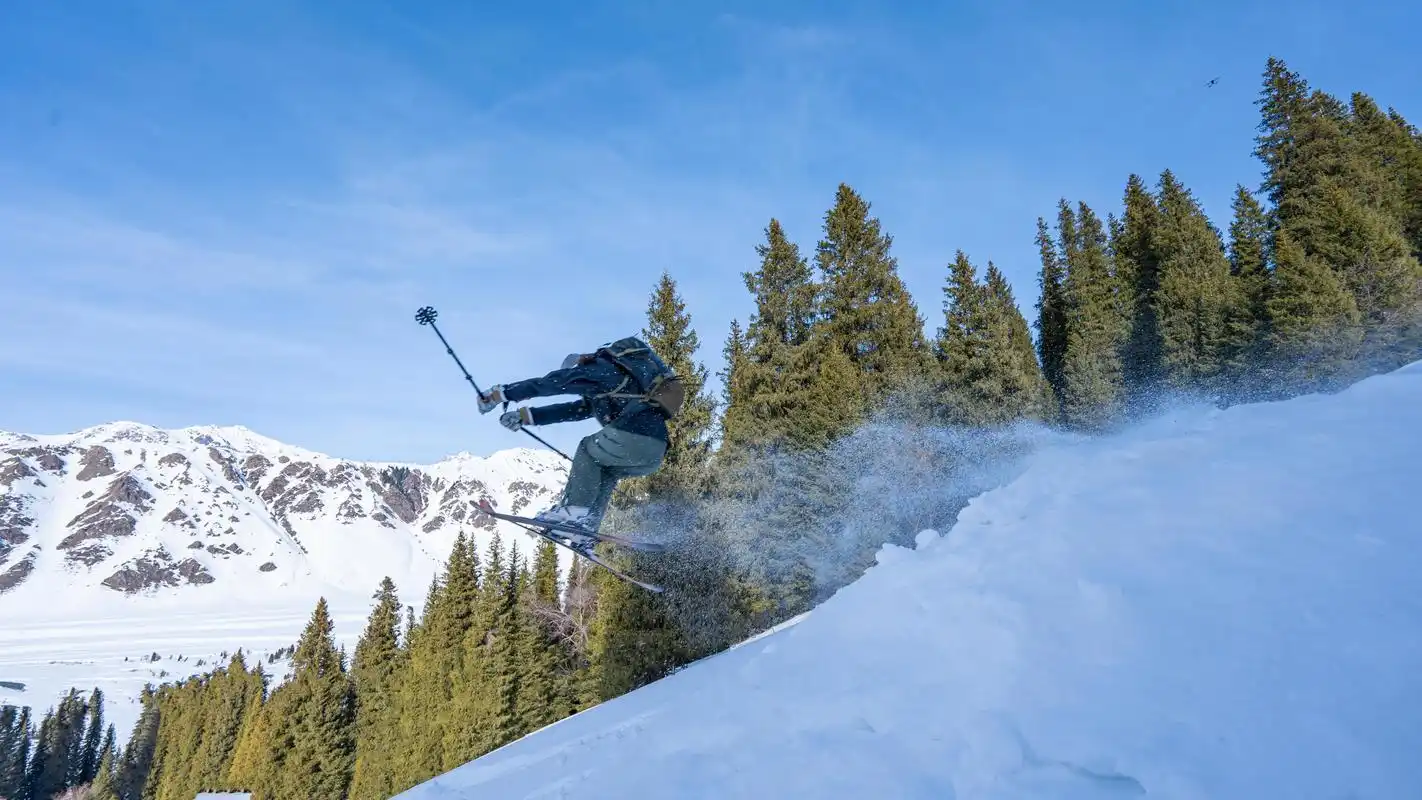
Kyrgyz Culture and Winter Festivals
What sets a Kizilsu ski trip apart is the culture wrapped around the snow. The Manas epic — the Kyrgyz national oral tradition — echoes through performances, while the Twelve Muqam and lively rowing-social (社火) parades fill the towns during the New Year. Eagle-hunting heritage, felt-making and Kyrgyz hospitality give every village stop a story. Combined with canyon landmarks like the Artux Tianmen (a natural stone arch) and the glacier scenery of Aoyitake in Akto County, the region offers a winter travel texture you simply will not find on the northern resorts. Even the food tells the story: hand-grabbed mutton, roasted buns and nang-baked meats taste better after a morning on the mountain, and the night markets that spring up during festival season are worth the cold walk.
What terrain and snow should I expect in Kizilsu?
Kizilsu’s slopes are smaller and quieter than the northern giants, but the cold is genuine and the snow holds well on shaded faces. Artux Tianmen carries the widest range of runs, Wuqia Yunfeng is a compact local hill, and Akqi’s park is built for families rather than steep descents. Expect short queues and a strongly local atmosphere throughout the season.
Because the prefecture sits near the border ranges, wind can scour exposed sections while sheltered lanes stay soft. Read the resort’s own notice board on arrival rather than trusting a regional forecast, and start on the groomed lines to judge the surface before committing to anything steeper. The Artux winter guide adds context on the town and the Kyrgyz communities around the mountain, which is half the reason to come this far west in winter.
| Venue | Suited to | Practical note |
|---|---|---|
| Artux Tianmen | Beginners through confident intermediates | Best base for a same-day trip from Kashgar |
| Wuqia Yunfeng | Local families and casual skiers | Compact hill, check access roads locally |
| Akqi Ice-Snow Park | Children and first-timers | Snow play and tubing matter more than descent |
How do I fit Kizilsu into a wider Xinjiang ski route?
Most itineraries use Kashgar as the gateway, hop to Artux for a day or two on the snow, then continue toward the Pamir or back north. Two full days is a sensible floor: one for the mountain, one for the canyon and town. Carry your passport for checks on roads toward Wuqia, and confirm road status locally before setting out.
The western prefecture rewards patience more than speed. Add a buffer day rather than stacking Kizilsu tightly against a flight, because winter weather on the high roads can rearrange a schedule. If your group has mixed abilities, note which venues serve beginners well before you choose where to base yourself; the beginner resort guide gives a useful comparison of the learning terrain you will find across the region.
- Arrive in Kashgar a day early and keep the Artux transfer flexible.
- Allow a full mountain day plus a separate day for canyon or town stops.
- Ask your operator about current documentation for the Pamir-side roads.
- Book lodging in Artux if you want early access to Tianmen without a dawn drive.
Food, Stay and Practical Tips
Base yourself in Artux for the easiest access to Tianmen, where the resort’s own hotel and the 500-space car park make a same-day round trip from Kashgar entirely practical. In town you will eat well and cheaply: hand-pulled laghman noodles, roasted buns (烤包子), mutton skewers and the Kyrgyz staple of boiled meat with onion are everywhere, and winter is the season for warming bowls of noodle soup. Dress in layers — temperatures on the mountain can sit well below zero even when the town feels mild, and the resort’s hot-water restrooms (a detail visitors repeatedly praise) make a real difference on a cold day. Carry your passport or ID, as border-region checks are common on the roads toward Wuqia and the Pamir, and budget travellers will find lift tickets and food notably cheaper than the famous northern resorts, with the New Year carnival period offering the richest cultural programming even if the slopes are busiest then.
Planning Your Kizilsu Ski Trip
Most visitors base themselves in Kashgar and make the short hop to Artux, or combine Kizilsu with the high Pamir. The best time to ski Xinjiang runs from late December through February, and Kizilsu’s 2026 season was explicitly timed to the New Year and Spring Festival peaks. Adventurous travellers can link a day on the Tianmen slopes with a drive toward Muztagh Ata or the frozen shores of Karakul Lake for a true western extremity itinerary. Neighbouring Aksu and Kashgar-side skiing make easy extensions, and a string of county-level winter carnivals means there is usually something happening within an hour’s drive no matter when you visit. Allow at least two full days if you want to ski Artux and still explore a canyon or two.
Frequently Asked Questions
Where is Kizilsu and how do I get there?
Kizilsu Kirgiz Autonomous Prefecture is in western Xinjiang, bordering Central Asia. Its main city Artux is about an hour by road from Kashgar, which has both an airport and a high-speed rail link, making it the usual gateway.
What is the biggest ski resort in Kizilsu?
Artux Tianmen Ski Resort is the largest, covering 250,000 square metres with nine runs and a 558-metre vertical drop. It opened for its first full season on 1 January 2026.
Is Kizilsu good for beginners?
Yes. Artux Tianmen has multiple beginner and intermediate lanes plus magic carpets, and the Akqi Ice-Snow Park is built for families and first-timers rather than experts.
What else is there to do besides skiing?
Canyon sightseeing at Tianmen, glacier views at Aoyitake, Kyrgyz cultural shows, New Year parades, eagle-hunting heritage and hot-spring breaks in nearby counties all extend the trip beyond the slopes.
When is the Kizilsu ski season?
The 2026 season opened on 1 January and ran through the Spring Festival. Expect reliable snow from late December to late February, with the New Year and festival period being the busiest.
Can I combine Kizilsu with other Xinjiang ski regions?
Absolutely. Kashgar, Aksu and the Pamir highways are all within reach, and many travellers pair a Kizilsu stop with other Xinjiang ski destinations on a wider southern-loop itinerary.
Is Kizilsu a good place for a first ski trip?
It can work for a first trip if you are comfortable with a quieter, less polished setup. Artux Tianmen has groomed beginner lanes and magic carpets, and the Akqi park is gentle by design. What it lacks compared with the northern resorts is breadth of services, so go with realistic expectations and a day spare rather than a tight schedule.
What should I carry for a border-region ski day?
Carry your passport or ID, since checks are common on roads toward Wuqia and the Pamir. Bring layered clothing for a cold mountain and a milder town, plus cash for small shops. Ask locally about current road and documentation requirements before you travel, because rules can change with the season, and a flexible plan avoids the worst of a delay.