

Ask how long ski season lasts in China and you will get wildly different answers depending on where you point on the map. In the Altay Mountains of Xinjiang, lifts can spin for six months or more; in the hills outside Beijing, the realistic window is closer to three and a half. Understanding this spread is the single most useful piece of planning knowledge for an international ski trip, because arriving two weeks too early or too late in the wrong region can mean man-made ribbons of snow instead of full mountains. This guide lays out the China ski season length region by region for the 2025–26 winter, explains what drives the differences, and shows you how to pick dates that match the experience you want — deep midwinter powder, sunny spring laps, or a bargain shoulder-season week.
The Short Answer: Three to Six-Plus Months
Across China’s main ski regions, natural seasons break down roughly like this:
- Xinjiang (Altay): late October / November to April or May — up to 180+ days at the longest-running areas.
- Xinjiang (Tianshan, near Urumqi): late November to early April — around 130–140 days.
- Northeast (Heilongjiang, Jilin): mid-November to late March — roughly 120–135 days.
- Chongli / Beijing area: late November to mid-March — about 105–115 days, heavily supported by snowmaking.
- Indoor snow domes: 365 days a year, everywhere from Harbin to Guangzhou.
These are lift-operating windows, not guarantees of great conditions on every date. The quality curve inside each season matters just as much, and we will get to that below.
Why Season Length Varies So Much
Three factors control how long a Chinese region can keep lifts running:
- Latitude and altitude: the Altay Mountains sit near 47°N — comparable to major Alpine latitudes — and hold cold air from October onward. Chongli is both further south and lower, so its natural window is compressed.
- Continental dryness: Xinjiang and the Northeast have bitterly cold, dry winters. Once snow falls, it stays. Coastal-influenced regions see more freeze-thaw, which shortens usable seasons.
- Snowmaking investment: Chongli’s Olympic-grade snowmaking lets resorts open on schedule in late November even in lean years, but it cannot extend spring much past mid-March once daytime temperatures climb.
The result is a simple rule of thumb: the further northwest you go, the longer and more natural the season becomes.
Region by Region: Opening and Closing Dates for 2026
Xinjiang — China’s longest season
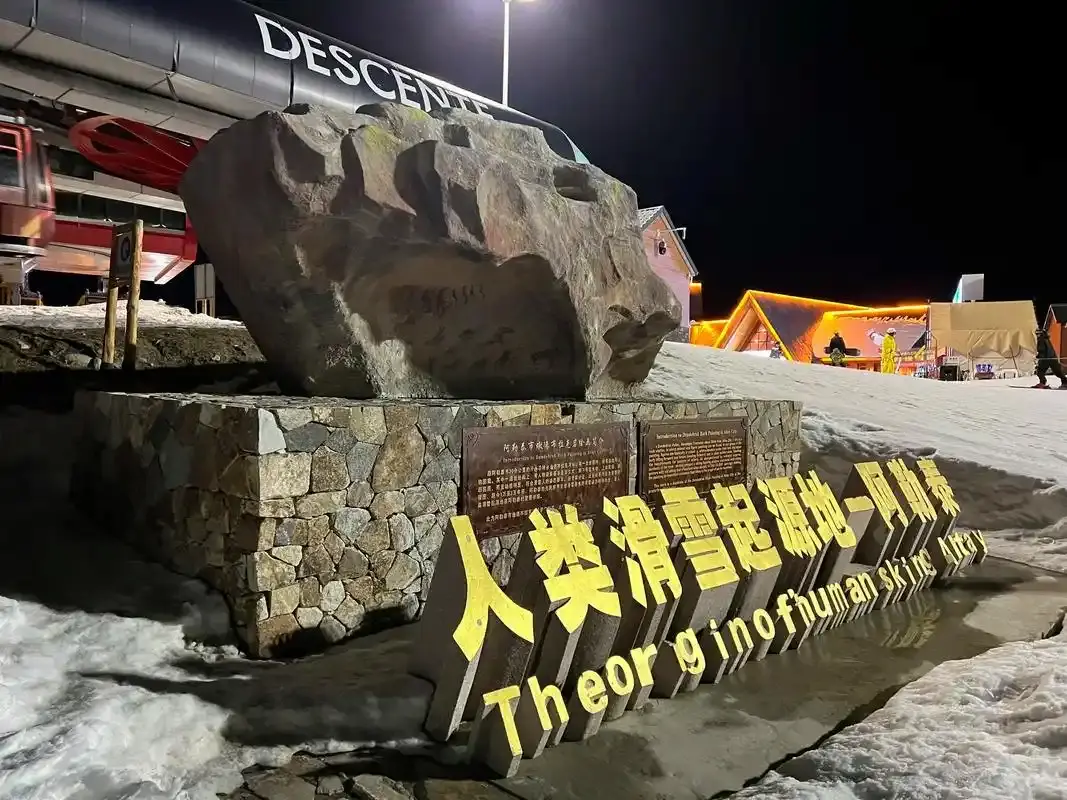
Altay’s General’s Hill typically fires up in early-to-mid November and runs deep into April; in strong snow years, spring operations stretch even further. Koktokay follows a similar calendar with high-alpine terrain that holds winter snow textures well into March. The Tianshan resorts near Urumqi, such as Silk Road, open around late November and close in early April. For the detailed month-by-month picture — including which weeks bring the deepest storm cycles — see our dedicated guide to the Xinjiang ski season, and use the planner on the best time to ski in Xinjiang to fine-tune your dates.
The Northeast — long, cold, and reliable
Yabuli, Changbaishan, Beidahu, and Songhua Lake generally open in mid-November and run to late March. January is ferociously cold — often below -25°C in the mornings — which keeps snow chalky and dry but demands serious layering. March here is underrated: temperatures moderate, crowds thin after the holiday rush, and coverage remains solid on north-facing terrain.
Chongli and Beijing — the compact Olympic window
Thaiwoo, Genting, Wanlong, and their neighbors target late-November openings behind aggressive snowmaking and close in mid-March, occasionally pushing to late March on upper mountains. If your travel dates fall in December through February, Chongli conditions are dependable; outside that core, check operating updates before booking.
The Quality Curve: When Inside the Season to Go
Season length tells you when lifts run; the quality curve tells you when to actually book. Broadly, every Chinese region follows the same arc:
- Late November – mid-December: building base, thinner coverage, lowest prices and empty slopes. Best for beginners and bargain hunters.
- Late December – February: peak winter. Coldest temperatures, best snow textures, and — around Lunar New Year in mid-February 2026 — the biggest crowds and prices of the year.
- March: longer daylight, friendlier temperatures, and quiet pistes. Xinjiang and the Northeast still ski well; Chongli begins to wind down.
- April and beyond: a Xinjiang specialty. Spring corn snow, sunny laps, and lift lines that simply do not exist.
If powder is the priority, aim for January storm cycles in the Altay. If value and calm matter more, the first half of December and the second half of March are the sweet spots almost everywhere. A full national comparison of dates, regions, and conditions lives in our China Skiing Guide.
Matching Season Length to Your Trip Plan
A few practical planning patterns fall out of these calendars:
- Early-season trip (November–early December): only Xinjiang’s Altay resorts offer confident natural-snow skiing this early. Everywhere else, expect limited terrain.
- Classic midwinter week (January): every region works; choose by snow preference and budget rather than by calendar risk. Compare regions on our China ski resorts map 2026.
- Spring finale (late March–April): book Xinjiang. The combination of surviving snowpack, warming sun, and empty mountains makes it the best late-season play in Asia outside Japan’s highest resorts.
- Avoiding crowds: steer clear of Lunar New Year week (mid-February 2026) and the early-January domestic holiday bump unless you enjoy lift-line anthropology.
Booking Around the Calendar: Practical Tips
Once you have chosen a window, a few timing-related habits will save money and frustration. First, confirm official opening dates two to three weeks before travel — Chinese resorts announce them on their WeChat channels, and early-season dates in particular can shift by a week depending on cold snaps and snowmaking progress. Second, book accommodation before flights for any trip touching late January or February; slope-side rooms around Lunar New Year sell out months ahead, while flights stay flexible longer. Third, remember that shoulder-season discounts are real and substantial: early December and late March often bring lift tickets and hotel rates at 30–50 percent below peak, with weekday visits cheaper still. Finally, buy travel insurance that explicitly covers skiing, because season-edge trips carry a small risk of early closures or limited terrain, and a flexible policy makes it painless to pivot your dates or even your region if the snow gods are slow to deliver.
Frequently Asked Questions
How long is ski season in China overall?
Between three and six-plus months depending on region. Chongli near Beijing runs about 105–115 days, the Northeast around 120–135 days, and Xinjiang’s Altay resorts can exceed 180 days from November into April or May.
When do ski resorts in China open for the 2025–26 season?
Xinjiang’s Altay areas open first, in early-to-mid November. Northeast resorts follow in mid-November, and the Chongli cluster targets late November with the help of extensive snowmaking.
Which Chinese ski resort has the longest season?
General’s Hill (Jiangjunshan) in Altay City, Xinjiang, routinely posts China’s longest lift-served season — often more than six months — thanks to its high latitude, cold climate, and early natural snowfall.
Is March too late to ski in China?
Not at all in Xinjiang or the Northeast, where March offers solid coverage, milder temperatures, and thin crowds. In Chongli, plan for early March at the latest, as most terrain closes by mid-month.
Can I ski in China during summer?
Only indoors. Snow domes in Harbin, Shanghai, Guangzhou, and Chengdu operate year-round and are useful for lessons or a novelty session, but no outdoor lift-served skiing runs through a Chinese summer.