

China’s ski map splits cleanly along a climatic line. The north delivers long, cold, natural-snow seasons and high-altitude resorts, while the south offers milder weather, easier access from major cities, and a growing number of indoor slopes. Choosing between them shapes your budget, your driving time, and the kind of snow under your skis. This guide compares the two regions so you can match a destination to your skill level, calendar, and wallet. 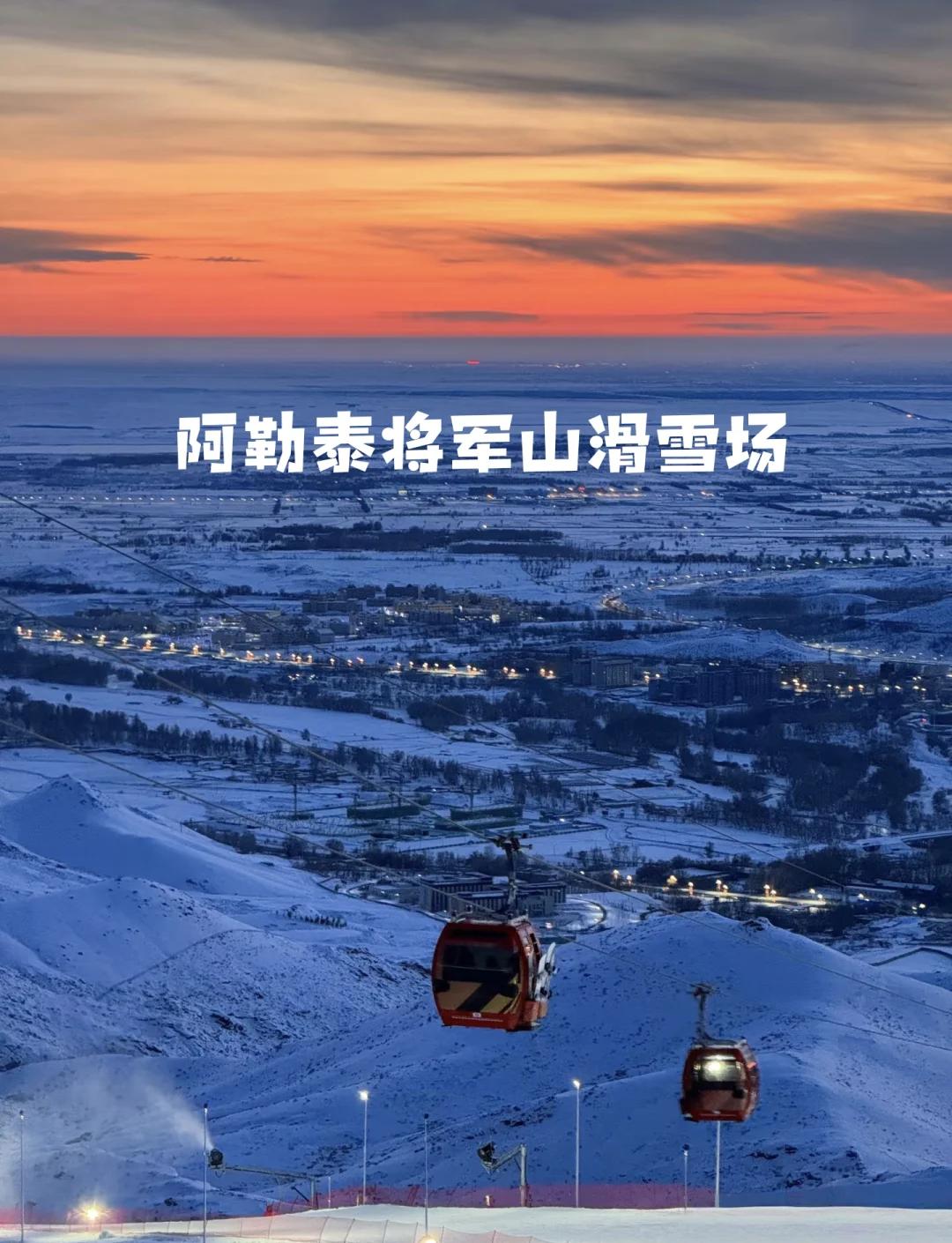
Why the Divide Exists
Northern provinces such as Heilongjiang, Jilin, and Xinjiang sit in a continental climate with reliable winter cold and, in some areas, genuine powder. Southern China rarely sees natural snow, so its ski scene leans on indoor domes and climate-controlled outdoor runs built with made snow. When you read a broad China skiing guide, the north-versus-south question is usually the first fork in the road, and the answer depends mostly on what you value. Families usually prize convenience, while enthusiasts chase snow and vertical, and that single preference decides the region for most trips.
Snow Quality and Season Length
The north wins on natural snow and season length. Resorts in the northeast and far west open as early as November and run into March or April, with dry, light snow that advanced skiers love. The south depends on refrigeration and snowmaking, so its season is shorter and its surface is denser and more predictable. For a first taste of skiing, the consistent man-made snow of the south is actually a plus, while purists chase the northern storms for the float and the silence they bring. Northern resorts near the Altai range even rival parts of Hokkaido for dry powder, a fact drawing more international visitors each season.
Another subtle difference is light. Northern resorts at altitude get intense, low-angle winter sun that flattens shadows and can fatigue the eyes, so pack goggles with a low-light lens. Southern domes control lighting indoors, which actually helps nervous first-timers read the slope more easily and build confidence during early lessons without glare.
Altitude and Terrain
Northern resorts tend to sit higher and offer longer vertical drops, gladed tree runs, and terrain parks that challenge intermediates and experts. Southern venues are flatter and shorter, which suits families, lessons, and casual riders. The trade is crowding: popular northern mountains draw big weekend crowds, while southern domes spread visitors across more, smaller sessions. A full scan of the best ski resorts in China shows the north holding most of the destination-grade terrain and the south holding most of the convenient entry-level slopes. If you want tree skiing or off-piste, the north is effectively your only real option in China.
Cost and Value
Budget behaves differently by region. The south hides higher per-hour costs inside its indoor domes but saves on travel because it sits near huge cities like Guangzhou and Shanghai. The north looks cheaper on lift tickets yet adds flights, trains, and hotel nights. Plan with a clear China ski budget in mind: northern trips cost more upfront but deliver more ski time per yuan, while southern trips are convenient splurges close to home that avoid overnight logistics. Season passes tilt the math further toward the north for anyone skiing more than ten days a year. Many resorts also offer night skiing, which extends value on a single day pass and suits visitors with limited daylight.
Access and Travel Style
Southern resorts win on convenience. You can ski after work, ride a subway or short drive, and skip altitude adjustment entirely. Northern trips are events: you fly or take an overnight train, acclimatize, and commit a long weekend. Timing also differs, so check the China ski season dates before booking, because a northern resort closed by a thaw is a costly miss while a southern dome stays open year round regardless of weather. For overseas visitors, the north also pairs well with wider winter itineraries across the region and longer rail journeys.
Where to Stay and What to Rent
Lodging follows the same pattern. The north offers slope-side villages and longer stays, while the south favors day-trip visitors with city hotels nearby. Either way, book China ski resort accommodation early for holiday weeks, when both regions fill up. Gear is easy in both: a good China ski rental equipment guide helps you avoid overpriced walk-up rentals and confirms boot fitting before you queue at the counter on a busy morning. Booking accommodation and rental together as a package often shaves the most off a southern day-trip budget.
Family and Beginner Considerations
Families with young children almost always favor the south. Indoor domes stay warm, have medical staff on hand, and let parents take breaks without leaving the building. The north is rewarding but demands more logistics: cold-weather child care, proper eyewear, and shorter sessions to avoid frostbite risk. Beginners benefit from the south’s gentle, predictable surfaces, then graduate to northern resorts once they can link turns confidently. Either way, book lessons early, because instructor slots fill fastest during the Chinese New Year holiday period when both regions peak and prices rise.
Which Region Should You Choose?
Pick the north if you want real snow, big terrain, and a proper ski holiday, and you can spare three or more days of travel. Pick the south if you are a beginner, a family with small children, or a city dweller who values a quick, controlled introduction over epic conditions. Many Chinese skiers do both: southern domes for year-round practice and technique work, northern mountains for the annual winter trip that justifies the longer journey and higher spend. If your time is limited to a single afternoon, the south wins every time; if your winter revolves around skiing, the north earns the trip.
- Choose north for: natural powder, long seasons, advanced terrain.
- Choose south for: convenience, lessons, indoor consistency.
- Choose both if: you train locally and vacation up north.
Frequently Asked Questions
Which region has better snow, north or south China?
The north has better natural snow, longer seasons, and more terrain. The south relies on indoor domes and snowmaking, giving consistent but denser surfaces and shorter, gentler runs for learners who want predictability.
Is skiing in southern China worth it?
Yes for beginners, families, and city skiers. Southern indoor resorts are convenient, safe, and ideal for lessons, even if they lack the drama and scale of northern mountain resorts and their long descents.
Is the north much more expensive than the south?
Not always. Southern domes charge more per hour, but the north adds travel and lodging. Compare total trip cost, not just lift tickets, when you set your winter budget and choose a region.
When is the best time to ski in each region?
The north peaks from December to February with natural snow. The south runs year round indoors, with outdoor made-snow sessions available through the winter months for a change of scene.
Can beginners ski the northern resorts?
Absolutely. Northern mountains have dedicated beginner areas and ski schools, though the cold and altitude mean you should pack properly and start with morning lessons to stay warm.
Do I need to rent equipment in both regions?
Most visitors rent on site. Renting is widely available in both north and south, but booking ahead and checking fit saves money and time at the rental counter on busy weekends.