

If you are travelling to China for a ski trip, the good news is you rarely need to fly with your own gear. Skiing in China has grown fast over the past decade, and the rental infrastructure at major resorts is now modern, well maintained, and surprisingly affordable. This guide explains how renting ski gear in China works, what it costs, how to get a good fit, which performance tier to choose, how deposits and returns function, and the common mistakes first-time visitors make so you can spend your energy on the mountain instead of the rental desk.
Where You Can Rent Ski Gear
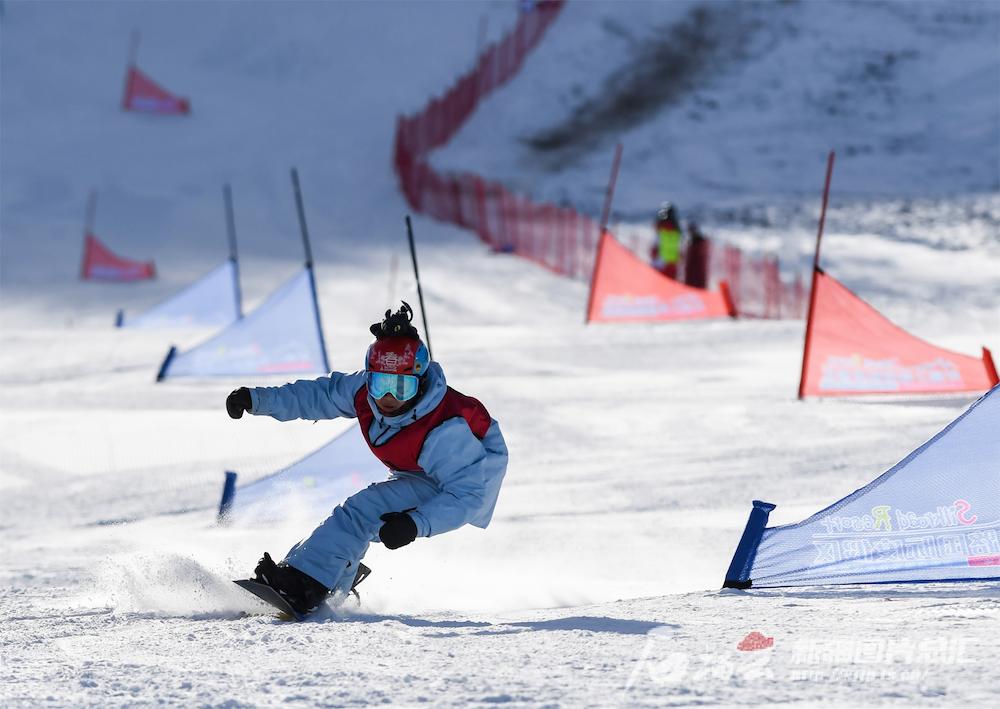
Rentals are available at almost every resort, from small local hills to international-standard destinations. In Xinjiang, for example, the region’s ski resorts offer full packages that include skis, boots, poles, and a helmet. Larger resorts such as Silk Road ski resort near Urumqi run professional rental centres with multiple performance tiers, heated fitting rooms, and technicians who speak basic English in peak season. City-based ski shops also exist near Beijing and Harbin, but renting at the mountain is usually simpler for travellers because you can swap gear on the spot if conditions or your ability change during the trip.
In-resort versus city rental
Renting at the resort is the easiest option and lets you swap gear immediately if something feels wrong. Some travellers rent in nearby cities to save money, but the convenience, fitting support, and on-mountain service at the resort usually outweigh the small saving, especially for families and first-timers. If you do rent in town, confirm the shop will mount and test bindings to your boots before you leave, because an untested setup is a real safety risk.
What Is Included in a Standard Package
A typical daily rental includes skis, boots, poles, and a helmet. Goggles and gloves are usually sold or rented separately, so pack your own if you have preferences. Higher-tier packages add carved performance skis, professionally fitted boots, and sometimes a dedicated locker. Always confirm exactly what your package covers before paying, because inclusions differ between resorts and tiers, and a misunderstanding at the desk can turn into an unexpected charge later.
- Skis: beginner and intermediate sets are standard; advanced carving skis cost a little more but improve control on harder runs.
- Boots: the most important fit item, so ask to try two sizes if anything feels off, and walk in them before committing.
- Helmet: included at better resorts and strongly recommended for everyone, children especially, to prevent head injuries.
- Poles: sized to your height and easy to swap on site if the length feels wrong after a few runs.
How Much Does It Cost
Prices vary by region and resort tier, but daily rental for a full set is generally modest compared with Europe or North America. Multi-day and weekly rates drop the per-day price, and season passes at some resorts bundle free or discounted rental. If you are combining a Xinjiang trip with lessons in Xinjiang’s ski areas, ask about lesson-and-rental combos, which are often the best value for visiting families and groups. Budget a little extra for goggles, gloves, and locker fees if they are not included, and keep some cash or a local payment app ready because smaller desk may not take foreign cards.
Getting the Right Fit
A poor boot fit ruins a trip faster than almost anything else. Tell the fitter your skiing level and any foot issues, and do not accept boots that pinch or slide. Ski length should match your height and ability, and the binding should be set to your weight and boot sole length by a trained technician. A quick test walk around the shop reveals most problems before you ever reach the lift, and a five-minute refit on day one prevents sore shins and lost ski days later in the week.
- Wear thin ski socks, not thick hiking socks, for a precise, snug fit that avoids pressure points.
- Walk around the shop in the boots before committing to a pair, and flex them as you would on skis.
- Confirm the binding release setting is recorded on your rental card and matches your weight.
- Inspect edges and bases for obvious damage before leaving the desk so you are not blamed later.
- Note the rental return time to avoid late fees on your last day on the mountain.
Choosing the Right Performance Tier
Most resorts offer two or three tiers. The basic tier is perfect for beginners and casual skiers who want to cruise gentle slopes. The mid tier adds lighter, better-shaped skis that make turning easier and reduce fatigue. The top tier suits confident intermediates and advanced skiers who want responsive equipment for steeps and bumps. If you ski regularly at home, skip the cheapest tier, because worn or basic gear slows progress and reduces safety margins on steeper runs, and the small upgrade fee pays for itself in comfort.
Deposits, Returns, and Insurance
Most rental desks ask for a deposit, returned when you bring the gear back in the same condition. Take a photo of the gear at pickup to document any pre-existing scratches, and keep your receipt until the deposit is refunded. Some resorts offer optional damage insurance for a small daily fee, which is worth considering if you are a beginner who might fall on the skis. Return gear before the stated deadline, because late returns are charged as an extra day and can eat into your travel budget.
Common Rental Mistakes to Avoid
First-time visitors often underestimate fit time. Arrive early on day one, because rental queues build quickly on weekends and holidays, and a long wait with cold feet is a poor start. Also avoid the mistake of renting goggles last minute, since on-mountain stocks run low on busy days. Finally, keep your rental receipt and locker key somewhere safe, because both are needed to retrieve deposits and gear, and losing either can mean a frustrating end to an otherwise great trip.
Frequently Asked Questions
Can I rent gear as a complete beginner?
Yes. Beginner packages are the default at most resorts, and staff expect first-timers. Pairing rental with a lesson is the fastest way to progress safely, because instructors can adjust your setup on the spot and recommend the right ski length for learning.
Is rental equipment safe and well maintained?
At established resorts, yes. Bindings are serviced and tested regularly, and skis are tuned between uses. Always check your release setting and report any worn gear before you ski so the shop can swap it immediately, and never ski on equipment you have not personally inspected.
Should I book rental in advance?
For peak holiday weeks, yes, to guarantee availability and your size. Off-peak, walk-up rental is usually fine, but arriving early still saves queue time and gives you the best selection of boots, which matter more than the skis for comfort.
What if the boots hurt during the day?
Return to the rental shop and ask for a refit or different size. Most resorts will adjust at no extra charge if the original fit was off, because a comfortable boot is a safety issue, not a luxury, and a limping skier is a liability on the slope.
Do I need my own helmet and goggles?
Helmets are typically included; goggles often are not. Bring your own goggles for hygiene and fit, or buy an inexpensive pair locally. A good goggle prevents glare and protects eyes from cold wind and snow glare, which is intense at altitude.
What happens if I damage rented equipment?
Minor wear is expected and covered, but major damage may be deducted from your deposit. That is where optional damage insurance helps. Always report damage honestly at return, because shops check gear and a surprise charge is easier to avoid with open communication.