

Choosing where to sleep shapes a ski trip in China more than most visitors expect. The country’s resorts have grown quickly, but they did not grow the way Alpine villages did over a century. Instead of organic mountain towns with a hotel on every corner, you tend to find purpose-built resort complexes, a handful of international-brand hotels, a scattering of family-run guesthouses, and sometimes a nearby city that is cheaper but forty minutes away by road. Each option suits a different kind of traveller.
This guide explains the accommodation types you will encounter across the main Chinese ski regions, what they cost, when to book, and the practical questions worth asking before you pay a deposit.
The Four Accommodation Types You Will Encounter
1. Ski-In Ski-Out Resort Hotels
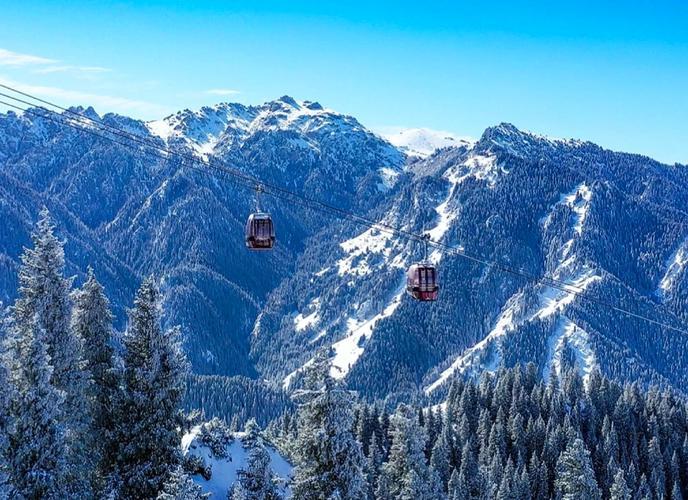
The flagship resorts in Altay, Jilin and Hebei all have hotels sitting directly at the base of the lifts, often operated by international chains or large domestic hospitality groups. You walk out of the lobby in your boots and you are at the gondola. These properties typically include heated ski storage, on-site rental shops, multiple restaurants and, increasingly, hot spring or spa facilities.
The trade-off is price and atmosphere. Peak-season rates at the best-known ski-in ski-out hotels can be three to five times what a comparable room costs in the nearest city, and the dining options, while convenient, are usually resort-priced. For a short trip where ski time is the priority, the convenience often justifies the cost. For a two-week stay, most people mix it with something cheaper.
2. Resort-Village Mid-Range Hotels
A short shuttle ride from the lifts, most developed resorts have a cluster of three and four-star hotels aimed at domestic groups. Rooms are clean and functional, breakfast is included, and prices typically land at 40 to 60 percent of the slopeside equivalent. Shuttle buses run regularly during operating hours, though the last shuttle often leaves earlier than you expect, so check the timetable on arrival.
3. Guesthouses and Homestays
Family-run guesthouses are the most interesting option in places like Hemu and Baihaba in Xinjiang’s Altay region, where traditional timber houses have been converted into small lodgings. Expect simple rooms, shared or basic bathrooms in the cheaper properties, and home-cooked meals that are frequently the highlight of the stay. English is rarely spoken, so a translation app is essential, but the value and the hospitality are hard to beat.
4. City Hotels with Daily Transfers
Staying in a nearby city and commuting to the mountain works well at resorts within an hour of an urban centre. You get a wider choice of restaurants, better prices and easier access to shops and pharmacies. The cost is one to two hours of daily driving and an earlier alarm. This suits travellers combining skiing with sightseeing rather than those chasing first tracks.
What It Costs
Prices vary sharply between the Chinese New Year peak and the quieter shoulder weeks. The ranges below are per room per night in peak season and should be treated as planning estimates rather than quotes.
- Slopeside international-brand hotel: roughly 1,200 to 2,800 RMB
- Resort-village three or four-star: roughly 500 to 1,000 RMB
- Guesthouse or homestay: roughly 200 to 500 RMB
- City hotel plus transfer: roughly 250 to 600 RMB plus transport
Outside the Chinese New Year window and the surrounding fortnight, expect discounts of 30 to 50 percent on the same rooms. Accommodation is usually the largest single line item on a ski holiday here, so it is the place where planning ahead pays off most. A fuller breakdown of trip economics is set out in the article on China ski trip budget and costs.
When to Book
Booking windows in China are tighter than in Europe but the peaks are more extreme. Two rules cover most situations.
- Chinese New Year and the weeks around it: book three to four months out. Slopeside inventory at the top resorts sells out, and prices on what remains rise steeply.
- Everything else: three to six weeks is usually comfortable, and midweek stays in December or late March can often be booked days in advance.
Weekends are busier than weekdays at resorts near major cities because of domestic short-break travel. If your dates are flexible, arriving on a Sunday and leaving on a Thursday reduces both room rates and lift queue times noticeably.
Booking Platforms and Payment
Most Chinese hotels are listed on domestic platforms, and a meaningful share of smaller guesthouses appear only there. International booking sites cover the larger branded hotels but often miss the mid-range and budget inventory entirely, which is where the value sits.
- Use a major Chinese travel app with an English interface for the widest selection
- Check the hotel accepts foreign passports, as a minority of smaller properties are not licensed to host international guests
- Save the Chinese-language name and address of your hotel to show drivers
- Expect to pay a refundable deposit at check-in, often via mobile payment
The foreign-guest licensing point is the one that catches travellers out most often. It is worth confirming by message before booking anything outside a large chain, particularly in smaller villages.
Practical Features Worth Checking
In a climate where outdoor temperatures sit well below freezing for months, a few amenities matter more than star ratings.
- Heated boot and ski storage. Drying gear overnight is the difference between comfort and misery. Not every property has it.
- Reliable heating. Ask about heating type. Central heating is standard in the north, but some older guesthouses rely on stoves that cool overnight.
- Breakfast timing. Some hotels start breakfast at 8am, which is too late if the lifts open at 9am and you have a shuttle to catch.
- Shuttle schedule. Confirm frequency and the time of the last return service.
- Hot water capacity. Small guesthouses may have limited tank capacity in the evening rush.
Matching Accommodation to Your Trip
A short, ski-focused trip of three or four days argues strongly for slopeside. You maximise time on snow, you can duck back to your room mid-day, and you are not dependent on shuttles or road conditions. A longer trip, or one that mixes skiing with cultural sightseeing, works better from a village or city base where costs are lower and dining is more varied.
Families often do best in resort-village apartments or hotels with family rooms, where a kitchenette and separate sleeping space matter more than lift proximity. Advice specific to travelling with children is covered in the guide to skiing in Xinjiang with family and kids. Beginners taking lessons should weight proximity to the ski school meeting point over proximity to the main gondola, since that is where their days start and end.
Regional Differences
Accommodation character varies by region. Northeast China around Jilin and Heilongjiang has the longest-established resort hotels and the deepest inventory, with well-drilled operations and reliable heating. Hebei’s resorts, within driving distance of Beijing, skew toward modern apartment-style developments and weekend-oriented properties. Xinjiang’s Altay region has the most distinctive lodging, mixing new slopeside hotels with traditional village guesthouses, but the smallest total inventory, which is why it sells out fastest at peak dates. Travellers deciding between regions will find the comparison laid out in the Xinjiang ski resorts overview and the countrywide China skiing guide.
Frequently Asked Questions
Can foreign visitors stay at any hotel in a Chinese ski resort?
Not always. Larger hotels and international brands are licensed to host foreign guests, but some smaller guesthouses are not. Confirm before booking, especially in small villages, and keep your passport accessible for registration at check-in.
Is slopeside accommodation worth the extra cost?
For trips of three or four days it usually is, because you gain ski time and avoid shuttle dependency in severe cold. For longer stays, most travellers save meaningfully by choosing a village or city base for at least part of the trip.
How far in advance should I book for Chinese New Year?
Three to four months ahead for the best resorts. Slopeside rooms sell out first, prices rise sharply on remaining inventory, and last-minute options are often limited to properties well away from the lifts.
Do resort hotels include ski passes or rentals?
Package deals combining rooms with lift passes and rentals are common, particularly on domestic booking platforms and midweek. They frequently beat buying each element separately, so compare the bundled price before booking room-only.
What should I do if the hotel has no heated drying room?
Keep boot liners out of the shells overnight and place them near, but never directly on, a radiator. Hang gloves and base layers where air circulates. Bringing a second pair of gloves and socks removes the problem entirely.
Are apartments or self-catering options available?
Yes, particularly in Hebei and in newer developments elsewhere. Apartment-style units with kitchenettes suit families and longer stays, though grocery selection near resorts can be limited so plan on shopping in the nearest town.