

In the heart of the Kashgar region, where the Yerqiang (Ye’erqiang) River fans across the southern Tarim plain, lies Shache — the historic seat of the Yarkand Khanate and the homeland of the Twelve Muqam, UNESCO-listed Uyghur classical music. Winter in Shache is quieter than summer but far from sleepy: red lanterns line Kazanqi Street before Spring Festival, the Intangible Cultural Heritage Expo Park rings with Muqam concerts, and the “Meet Winter Shache” ice carnival brings snow football and ice tops to the Wudalike ski field. Shache has no cable-car resort, but it pairs perfectly with a real ski trip as a culture-and-carnival stop. This guide covers what to do, see, and eat.
Where Is Shache and What Is Winter Like?
Shache County sits in southwestern Xinjiang, part of Kashgar Prefecture, on the fertile Yerqiang River system. Winters are cold and dry, typically December through February, with daytime highs around or just below freezing and clear, bright skies. The old town’s mud-brick walls and earthen lanes take on a hushed, photogenic calm under low winter sun — a contrast to the summer crowds.
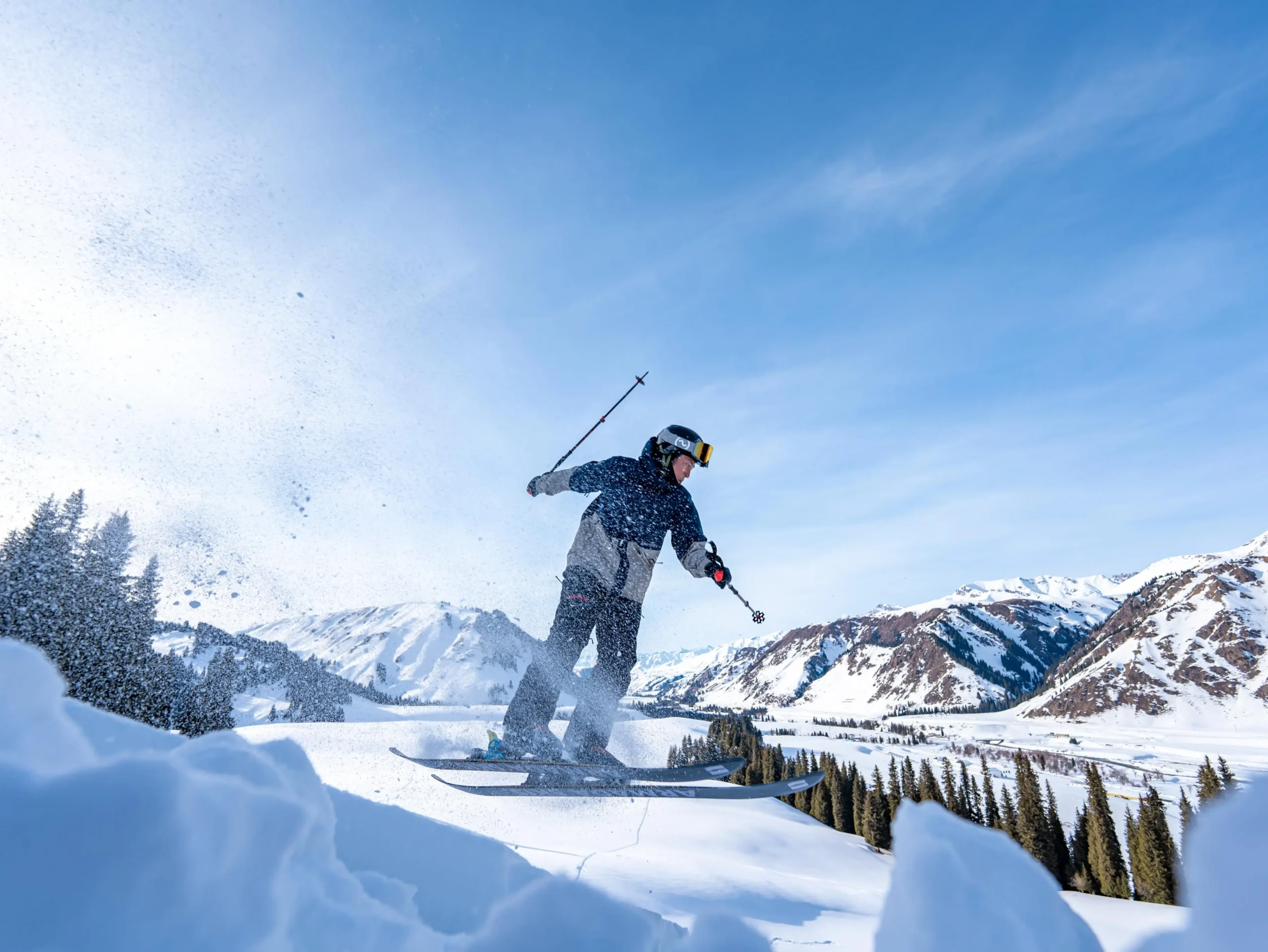
If your priority is downhill skiing, our Xinjiang skiing guide points you to lift-served mountains; Shache is best as a cultural counterpoint.
The “Meet Winter Shache” Ice Carnival
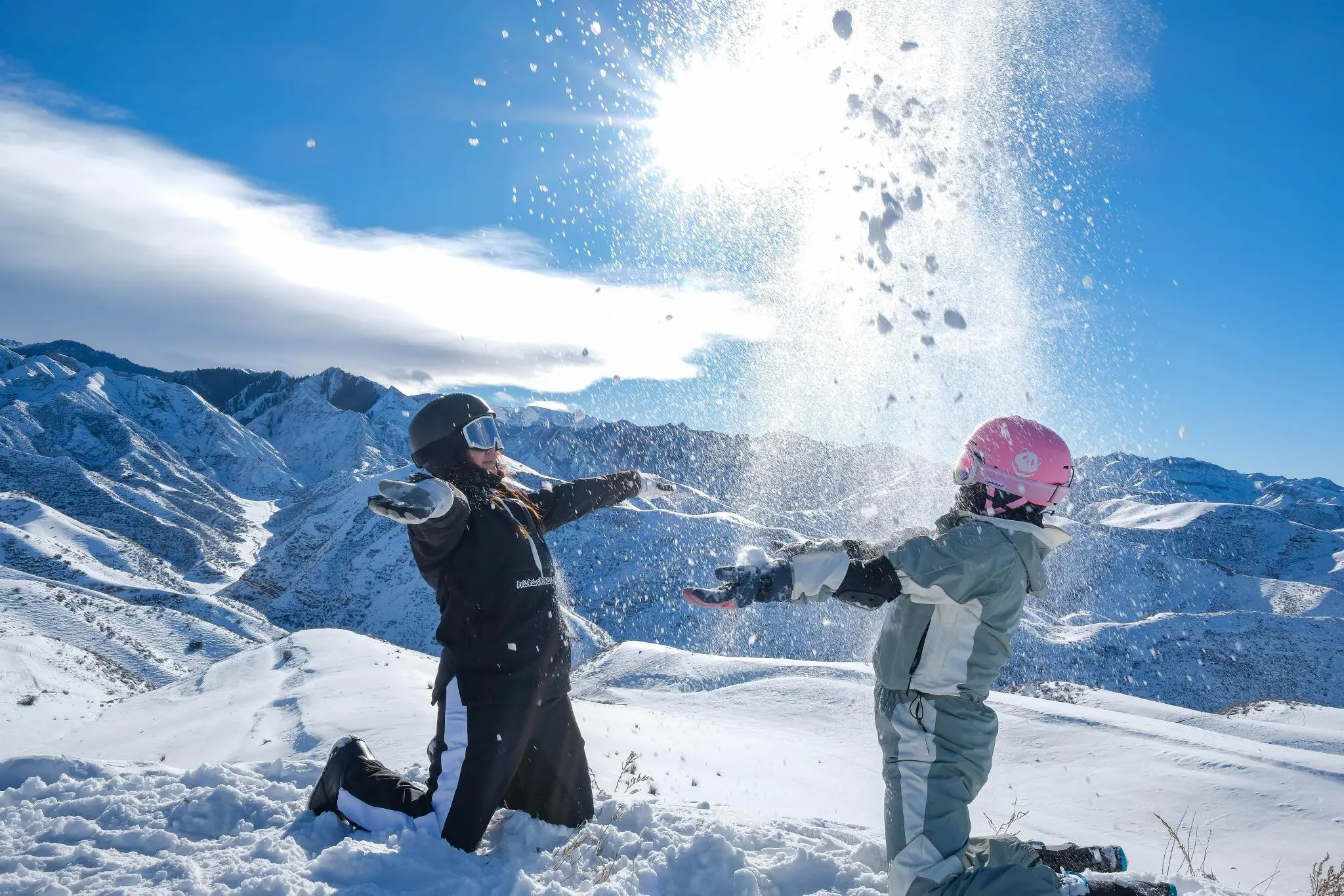
On January 20, 2026, the “Meet Winter Shache” ice-and-snow carnival series opened at the Wudalike Town ski field. It mixes competitive events with family fun:
- Snow football & snow volleyball — the headline team sports, drawing cheering crowds.
- Snow tug-of-war & traditional yaga (belt wrestling) — local favorites that pull in whole villages.
- Ice spinning tops — a simple, addictive game on the frozen surface.
- Snow tubing & snowmobiles — the Wudalike field also runs a family-friendly ski-tubing area.
The county framed the event as putting “ice and snow are also silver and gold mountains” into practice — building a winter sports brand while enriching daily life. For a regional map of real resorts, see Xinjiang ski resorts.
Twelve Muqam & Intangible Heritage
Shache calls itself the hometown of the Twelve Muqam. The Intangible Cultural Heritage Expo Park stages Muqam performances daily at 12:00–13:00 and 17:30–18:30, even in winter — a reliable, world-class cultural fix. Nearby you’ll find:
- Twelve Muqam Hometown Garden and Twelve Muqam Folk Custom Park — exhibitions on the music and its instruments.
- Yarkand Khanate Palace (Ye’erqiang Han Wang Gong) — the restored royal seat of the medieval khanate.
- Old town lanes & Kazanqi Street — festooned with lanterns and paper umbrellas before Spring Festival.
This living heritage is why Shache is often called one of southern Xinjiang’s true treasure towns. Our China skiing guide can help you pair it with slopes elsewhere.
The Muqam is not a single tune but a sprawling suite of songs, dances, and instrumental pieces — the Uyghur counterpart to a full opera cycle. Even a short concert at the Expo Park conveys its scale: plucked rawap and dutar lutes, frame drums, and call-and-response vocals that have echoed across the Tarim for centuries.
Yerqiang Wetland & Natural Winter
The Yerqiang National Wetland Park (about 20 yuan entry) offers open water, reed beds, and winter birdlife along the river — a calm morning walk contrasting the carnival bustle. Frozen sections and misty dawns make it a favorite for slow photography. Birdwatchers come for wintering waterfowl and the soft light over frozen channels, while families use the boardwalks for an easy, stroller-friendly outing. Pair it with the old town in a half-day: mornings on the water, afternoons in the palace lanes.
History: From Silk Road Kingdom to Yarkand Khanate
Shache’s story spans millennia:
- One of the Thirty-Six Kingdoms of the Western Regions in Han times.
- Capital of the Yarkand Khanate in the 16th century, a center of Central Asian trade and culture.
- A Qing-era administrative town woven into the modern state.
Today restored walls and the palace evoke that layered past. The palace itself is the centerpiece — a reconstructed audience hall and gardens that show how a Central Asian court lived, traded, and patronized the arts. Allow at least two hours to walk the courtyards and the adjacent museum. If you want to time a visit with snow conditions, our best time to ski Xinjiang calendar doubles as a winter-travel planner.
Food & Local Flavors
Shache eats well in winter:
- Roasted buns & hand-pilaf — the regional staples, warming and cheap.
- Whole-roast lamb — for groups and festivals.
- Badam (almond) — Shache is famous as an almond homeland; try almond sweets and oil.
- Pomegranate & apricot products — dried and preserved for the cold months.
For budgeting a wider Xinjiang loop, our where to ski in Xinjiang directory is a useful reference for routing between culture stops and developed resorts.
Kazanqi Street & The Pre-Festival Glow
In the weeks before Spring Festival, Kazanqi Street in the old town transforms. Red lanterns hang in long rows, colored paper umbrellas line the lanes, and residents stock up on New Year goods amid laughter and street snacks. It is the most photogenic moment of the Shache year — a living postcard of Uyghur urban life under winter light. Arriving in late January or early February lets you catch both the ice carnival and this lantern season, when the whole town seems to glow against the cold.
Getting There & Tips
Shache is reachable by road from Kashgar (about two hours) and by air via the county airport, with rail and highway links across the Tarim. Most visitors base in Kashgar and make Shache a day or overnight trip, pairing the palace, the Muqam park, and the carnival in a single relaxed loop. The town center is compact and walkable in winter; dress in layers and arrive before Spring Festival to catch Kazanqi Street at its lantern-lit best. Combine Shache with a real ski day by routing to a Kashgar-region or other developed resort using the regional guides above.
Frequently Asked Questions
Is there a ski resort in Shache?
Shache runs a winter ice carnival with snow tubing, snowmobiles, and snow football at the Wudalike field, but no cable-car downhill resort. For lift-served skiing, use our Xinjiang ski resorts list.
When is the Shache ice carnival held?
The 2026 “Meet Winter Shache” series opened January 20, 2026, at the Wudalike Town ski field, with snow football, volleyball, tug-of-war, and ice tops running through the winter season.
What is Shache most famous for?
The Twelve Muqam (Uyghur classical music), the Yarkand Khanate Palace, and its status as a Silk Road and Tarim cultural crossroads. It is often described as a treasure town of southern Xinjiang.
Can I see Muqam performances in winter?
Yes. The Intangible Cultural Heritage Expo Park holds Muqam concerts daily at 12:00–13:00 and 17:30–18:30, even in the cold months — a reliable indoor cultural highlight.
How do I combine Shache with skiing?
Treat Shache as a culture-and-carnival stop, then travel to a developed resort in another part of Xinjiang. The regional guides above suggest how to pair cultural towns with lift-served slopes for a balanced winter loop.
What should I eat in Shache?
Roasted lamb buns, hand-pilaf, whole-roast lamb, and local badam almonds and pomegranates. Kazanqi Street and the old town bazaars are the best hunting grounds.