

Far down in the southeast corner of the Tarim Basin, where the Taklamakan Desert meets the northern foot of the Kunlun Mountains, sits Cherchen — known in Chinese as Qiemo. This is “a small border town in the sky, the jade capital of Xinjiang.” Winters here are stark and beautiful: hoarfrost on desert poplars, ice forming on the Cherchen River, and snow dusting the Kunlun ridgeline. While Cherchen does not operate a cable-car ski resort, its winter offers something rarer for slow travelers — a desert-edge oasis wrapped in snow, living jade culture, Silk Road ruins, and grassroots ice festivals that locals adore. This guide explains what to see, what to do, and where to find real downhill skiing nearby.
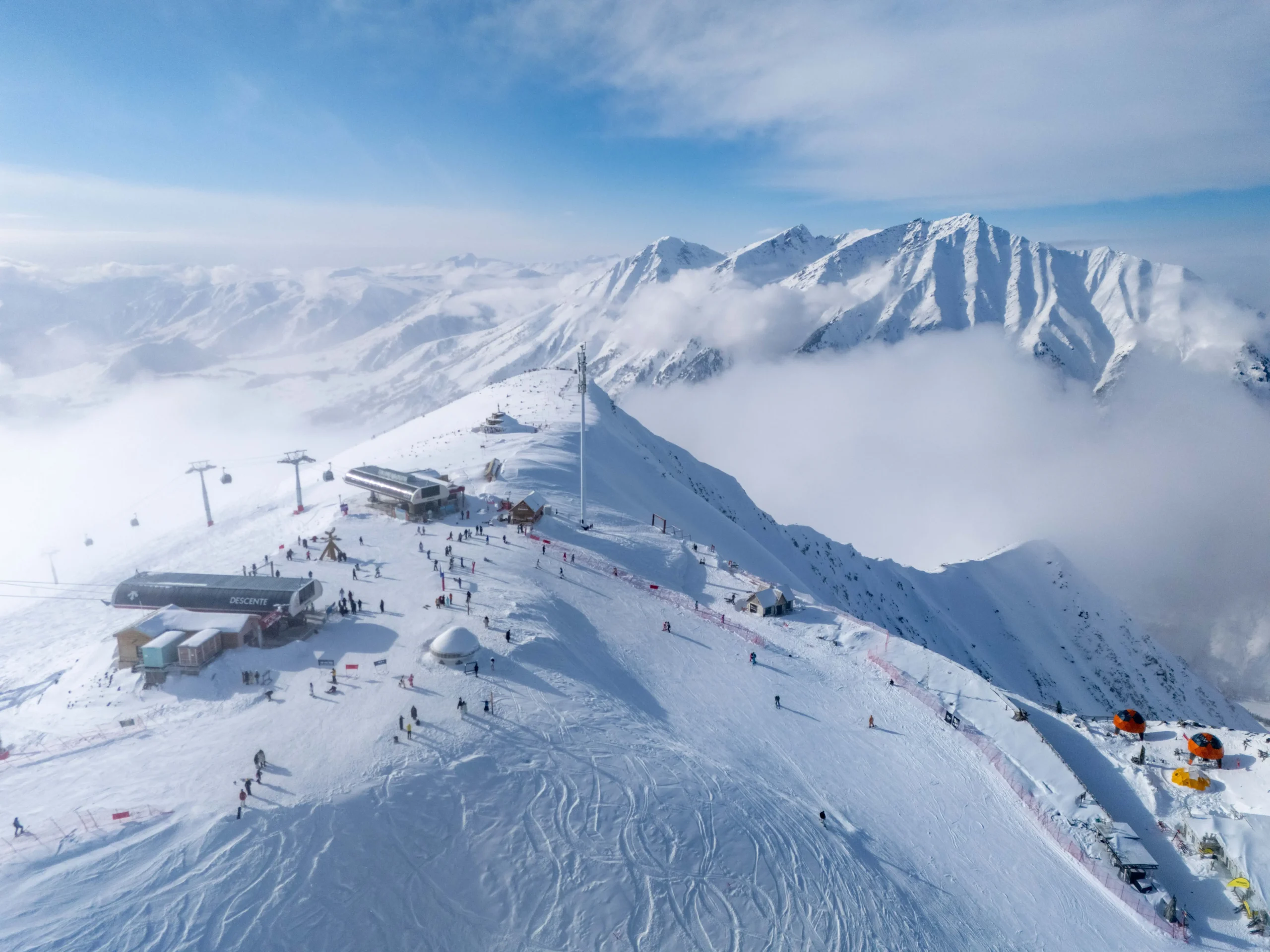
Where Is Cherchen and What Is Winter Like?
Cherchen County belongs to Bayingolin Mongol Autonomous Prefecture and stretches along the southern rim of the Taklamakan, the largest shifting-sand desert in China. The county town sits at the foot of the Kunlun, with the Cherchen (Qiemo) River bringing meltwater down from the mountains. Winter runs roughly from late November to early March. Daytime temperatures often hover around freezing, while nights drop well below zero — dry, crisp, and sunny more often than not.
The light is extraordinary. Bare desert poplars (Populus euphratica) stand black against white frost, and the Kunlun rises as a silent white wall to the south. For photographers and quiet wanderers, this is the draw. If your main goal is skiing, see Xinjiang ski resorts for cable-car mountains elsewhere in the region.
Winter Ice & Snow Festivals
Cherchen leans into winter with community ice events rather than commercial slopes.
- Tuogebulake Scenic Area Ice Festival — held on New Year’s Day 2025, with cultural performances, ice tug-of-war, ice social dancing, and balloon-stomping games on the frozen surface.
- Arele Town Rural Winter Ice-Snow Culture Festival — a second edition launched in early January 2025, featuring ice skating, ice motorcycles, ice tug-of-war, and family food and dance. Locals describe it as “warmer than last year, more fun.”
- Desert-edge bonfires & bazaars — evening gatherings with roasted buns, milk tea, and dutar songs under the stars.
These are small, authentic, and free-spirited — exactly the kind of winter memory that does not show up on a resort brochure. For a broader regional context, our Xinjiang skiing guide maps where the big mountains are.
Kunlun Snow & Highland Adventure
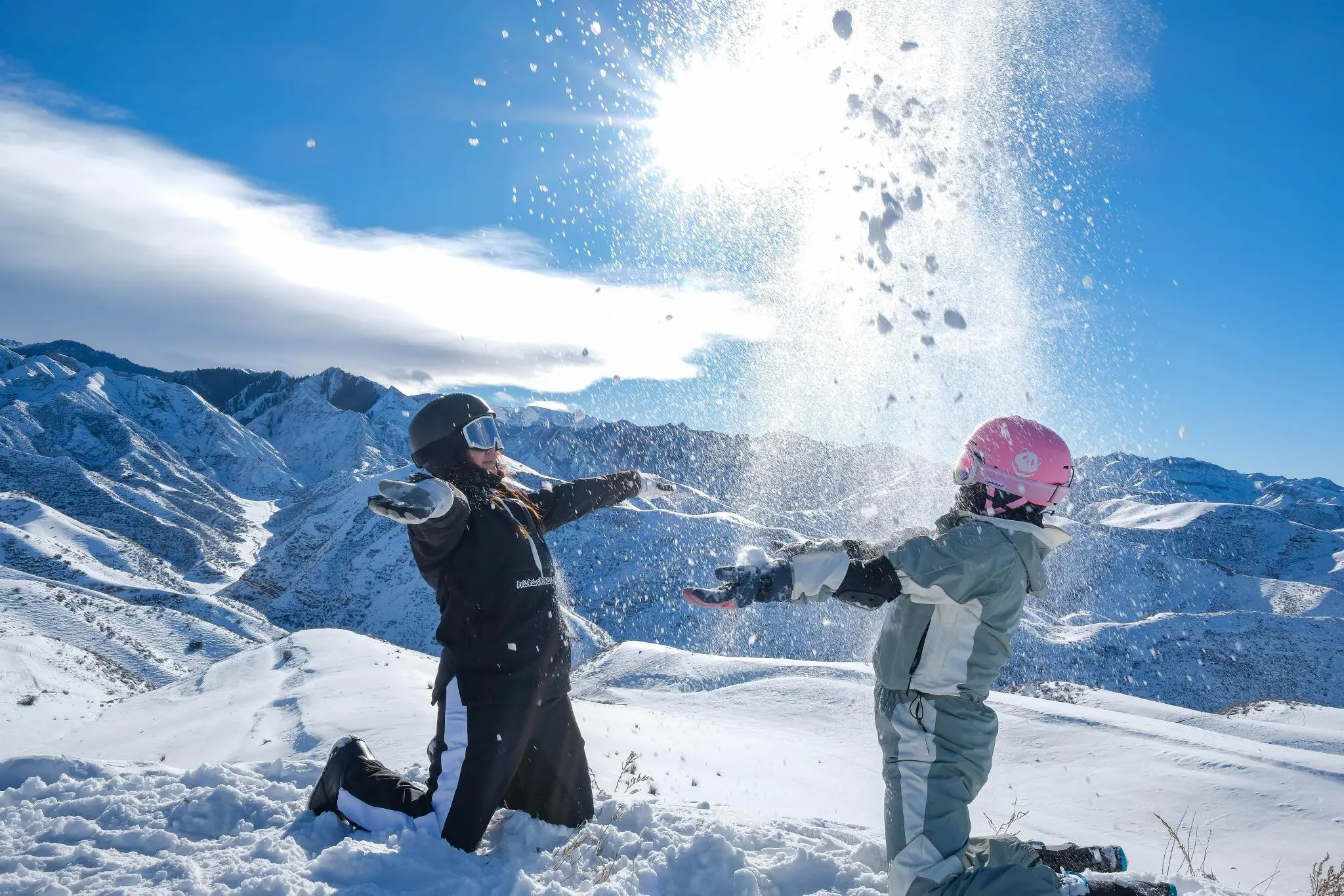
The Kunlun is the soul of Cherchen’s winter scenery. Local routes brand this as “Kunlun exploration”:
- Kunlun Ancient Village & herder homestays — stay with mountain families, sip butter tea, and learn winter pastoral life.
- Middle-Kunlun grassland & Muztagh viewpoint — snowfields and frozen valleys beneath towering peaks.
- Glacier hiking at altitude — experienced teams run high-elevation glacier treks with professional rescue support; not for beginners, but unforgettable.
- High-plateau stargazing — far from city light, winter skies are brutally clear.
Note that high-altitude glacier routes require fitness, acclimatization, and a licensed local operator. If you prefer groomed runs and lifts, check where to ski in Xinjiang before you come.
Jade Culture: “Jade Comes from the Kunlun”
Cherchen is one of Xinjiang’s jade capitals. The “Jade Comes from the Kunlun” story runs through the whole town:
- Jade Town — carving workshops where you can watch masters at work.
- Tashsayi River jade-mine ruins & Royal Mine pit — walk the sites where the legend began.
- County Museum — jade artifacts and a general history exhibit.
In 2024 jade-cultural tourism income surpassed 10 million yuan, making it a genuine new growth point for southern Xinjiang. Even if you never buy a stone, the museums and workshops are a warm, indoor counterpoint to the cold.
Silk Road Heritage & Desert Ruins
Cherchen was a kingdom on the ancient Silk Road. A “Silk Road antiquities” route links:
- Zagunluq (Zhagunluke) Tombs — well-preserved ancient burial complexes.
- Lelik Ancient City — ruins of the Han-era Qiemo kingdom.
- Moreq River Valley rock paintings — petroglyphs left by prehistoric herders.
- County Museum general-history exhibit — AR-guided storytelling brings the trade routes alive.
Food & Winter Warmth
Cherchen winters are best survived with calories. Seek out:
- Roasted buns (samsa) — crisp shells, lamb and onion inside.
- Hand-pilaf (polu) — rice, carrot, and lamb in amber oil, with a side of pi-la-hong onion salad.
- Milk tea & naan — the everyday hearth.
- Cherchen jujube (date) — the county’s famous sweet, good hot or dried.
For trip budgeting across the region, our Xinjiang ski trip cost breakdown helps you plan.
Cherchen Jujube & The “Small Border Town” Brand
Cherchen’s fame is not only ancient. The county is a leading producer of zao — the sweet red jujube that thrives in the desert climate and long growing season. Stalls and shops across the town sell them dried by the kilogram, and a handful warms the pocket on a cold walk. The local tourism brand, “a small border town in the sky, the jade capital of Xinjiang,” captures the paradox perfectly: remote yet rich, quiet yet storied. Evening bazaars keep that warmth alive, with dutar songs, roasted snacks, and the easy hospitality of an oasis that has welcomed travelers for two thousand years.
Getting There & Practical Tips
Cherchen is reached via the Ruoqiang–Cherchen Desert Highway and regional roads; the nearest airports are in Ruoqiang and Hotan. The Ruoqiang–Cherchen Desert Highway crosses some of the most remote sand seas on earth, a half-day drive that itself is an attraction for road-trip lovers. The county targets 1.4 million visitors and 730 million yuan in tourism spend for 2026, so expect growing infrastructure. Winter driving on plateau roads means packed snow — a 4WD and a local driver are wise. Bring serious layers; the dry cold bites harder than the thermometer suggests. If downhill skiing is the point of your trip, the closest developed resorts are hours away — plan them separately using our best time to ski Xinjiang calendar.
Frequently Asked Questions
Is there a ski resort in Cherchen County?
No cable-car ski resort operates in Cherchen itself. Winter activity centers on community ice festivals, Kunlun snow scenery, and cultural sites. For lift-served slopes, look at resorts covered in our China skiing guide.
When is the best time to visit Cherchen in winter?
Late December through February offers the deepest snow on the Kunlun and the liveliest ice festivals, especially around New Year. Daytime is usually sunny and cold — ideal for photography.
What is Cherchen famous for?
Jade (“Jade Comes from the Kunlun”), desert-edge oasis scenery, Silk Road ruins like the Zagunluq Tombs, and the southern Taklamakan setting. It brands itself as “a small border town in the sky, the jade capital of Xinjiang.”
Is Cherchen safe and accessible in winter?
The town and main sites are accessible, but plateau Kunlun routes need fitness, acclimatization, and licensed guides. Winter roads can be snow-packed, so use a 4WD and local driver for mountain trips.
What local food should I try?
Roasted lamb buns, hand-pilaf, milk tea with naan, and the famous Cherchen jujube. Evening bazaars and bonfires are the best place to taste them.
How do I combine Cherchen with real skiing?
Treat Cherchen as a culture-and-scenery stop, then route to a developed resort in another part of Xinjiang using the regional guides above. A multi-stop loop pairs the desert-edge oasis with lift-served mountains perfectly.