

Deep in Aksu Prefecture, on the southern side of the Tianshan, Wushi County (also spelled Uqturpan) has quietly become one of southern Xinjiang’s most surprising winter destinations. Its centerpiece is the Quanyu Xingkong International Ski Resort, a large mountain resort that brings genuine downhill skiing to a region better known for deserts and oases. For travelers compiling a Xinjiang ski resorts list, Wushi is proof that the snow does not stop at the northern ranges and that the south has its own winter story to tell. 
Quanyu Xingkong International Ski Resort
Located in Alasayi Village, Aotebehi Township, about 7 km from Wushi county seat, Quanyu Xingkong covers more than one million square meters and ranks among the larger ski areas in southern Xinjiang. It pairs a multi-function ski zone — beginner, intermediate and advanced runs plus a separate play-snow park — with a 2,500-square-meter heated lobby where boards, boots, helmets and poles are laid out for rental. A magic carpet carries skiers to the top of wide, rolling trails, and a rainbow tube lane adds color to the white slopes. After a recent upgrade the resort added two new advanced trails on top of its original seven, pushing the total to nine marked trails.
For context on the wider region, our Xinjiang skiing guide explains how resorts like this one extend the season far beyond the famous Altay resorts, giving southern Xinjiang its own credible place on the national ski map.
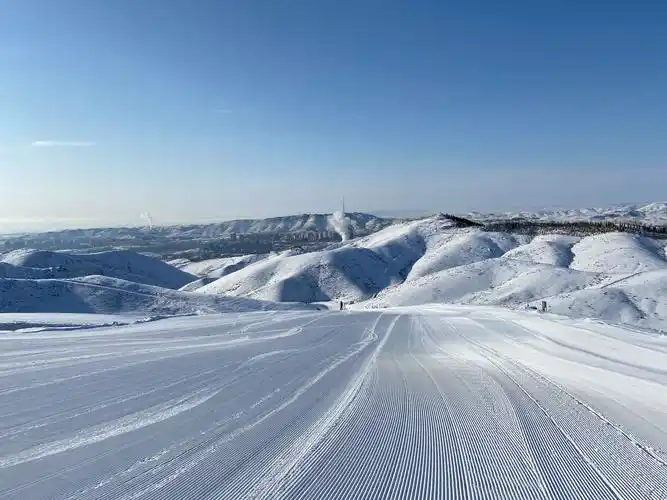
Trail Guide: Choosing Your Run
The layout is friendly to progression, so you can start small and work upward through the day without leaving the resort.
- Beginner trails: wide, gently graded slopes served by the magic carpet — the safest place to find your edges.
- Intermediate runs: longer fall-line descents for skiers comfortable with parallel turns and speed control.
- Advanced trails: the two new black runs added in the latest upgrade for confident riders wanting a real descent.
- Play-snow park: tubing, rainbow slides and family zones separate from the ski trails so kids can roam freely.
Silk Road Ice Festivals & Winter Culture
Wushi’s 2025–2026 winter program, branded “Silk Road Winter Charm, Snowy Wushi,” launched on 27 December 2025 and runs through early April 2026, overlapping the “Celebrate the New Year at the Foot of the Tianshan” regional campaign. The opening at Quanyu Xingkong featured dragon drums, youth dance troupes and a cultural bazaar with embroidery displays, history and photography exhibitions, intangible-heritage performances, and a traditional-medicine wellness zone serving herbal milk tea. A national alpine skiing mass-event was scheduled for February, and the county logged 14,900 visitor arrivals during the New Year holiday alone.
This cultural layering sets Wushi apart from the northern giants. Where Altay, the birthplace of skiing, leans on deep powder and birch-bark ski heritage, Wushi blends downhill sport with Silk Road bazaar energy — a different but complementary face of Xinjiang winter that rewards travelers who look beyond the obvious resorts.
Where to Stay & Eat
Most visitors base themselves in Wushi county seat or make a day trip from Aksu city, roughly an hour’s drive east. County-seat hotels are modest but warm, and the resort’s own lobby has a fast-food counter, supermarket and VIP rest area added in the latest upgrade. Around the closing ceremonies and holidays, local guesthouses near the ski base fill quickly, so booking ahead pays off. The food is half the fun: roast stuffed buns, milk tea, whole-roast lamb, pilaf and corn naan refuel a day on the snow, and the wellness zone’s herbal drinks are a welcome contrast to the cold.
Folk Games, Hiking & Local Life
Around the resort, Wushi threads winter sport into local life. The “Yanquan Mountain hike + ski run” combo lets visitors walk through hoarfrost-covered forests and then carve turns on the same day. In Aheya Township, horse races, goat-grabbing and wrestling draw crowds, while Imam Township hosts women’s volleyball tournaments. Across the 2025 winter the whole county welcomed more than 246,000 visitors and 53 million yuan in tourism revenue — a clear sign that “cold resource” is becoming “hot economy” in southern Xinjiang too.
Getting Around the County
Within Wushi the ski resort and the county-seat venues are close enough that a short taxi or shuttle covers the gap, but the wider winter program spreads across township ice rinks in places like Aheya and Imam, where the folk games happen. Hiring a car with a local driver for the day is the simplest way to catch both the slopes and a village horse-race without missing the last shuttle back. Roads are well maintained in winter, but carry chains and start early, since daylight is short and mountain passes can ice over after dark.
Getting There & Practical Tips
Wushi is roughly an hour-plus drive from Aksu city, and the county’s series of winter activities spreads across multiple township ice rinks, so a rental car or a joined tour works best. Southern Xinjiang’s snow window is shorter and warmer than the north, so check the forecast before you go. For route planning, see our map of where to ski in Xinjiang and review the best time to ski in Xinjiang before you book, because timing matters more here than it does up in the Altay ranges.
Southern vs Northern Xinjiang Skiing
Travelers often ask whether southern Xinjiang resorts can match the famous northern ones. The honest answer is that they serve different goals. Northern resorts such as those around Altay offer deeper snow, longer seasons and serious backcountry, while southern venues like Quanyu Xingkong trade extreme terrain for accessibility, warmer days and richer cultural programming. For a first winter in Xinjiang, or for families with mixed abilities, the south is a friendly, low-pressure entry point; for powder hunters, the north remains the headline act. Many visitors do both, treating Wushi as a warm-up before the big northern ranges.
When to Avoid the Crowds
Like most Xinjiang resorts, Quanyu Xingkong is busiest during the Spring Festival holiday and on weekends through January and February. Arriving right at the 10:00 opening or visiting on a weekday in early December or late March keeps the trails quiet and the rental lines short. The county’s festival calendar peaks around New Year and Lantern Festival, so check the event dates if you prefer either maximum atmosphere or minimum waiting.
- Quietest: early December and mid-to-late March weekdays.
- Busiest: Spring Festival week and weekend afternoons in January.
- Best atmosphere: New Year opening and the Lantern Festival closing events.
How Do I Get to Wushi’s Slopes in Winter?
Wushi sits in the southern Tianshan, and reaching its slopes is part of the trip rather than a quick transfer. Winter roads ask for an early start, a full tank, and a flexible plan. Base yourself in the county, confirm the resort road the evening before, and keep an extra day so a closed stretch does not end the trip.
The road in is the part most visitors underestimate. The Xinjiang winter road conditions guide explains how northern and southern routes behave differently and what to ask locally before leaving. Ask your hotel to phone the resort rather than trusting a map app, because a route can be cleared on one side and blocked by drift on the other. Start with the whole day ahead of you, and do not plan a late arrival. If you are combining Wushi with another base, keep the transfer as a separate day rather than squeezing it between two ski mornings.
- Confirm the mountain road the night before you drive.
- Leave the county with a full tank and warm drinks.
- Keep the first ski day flexible in case of a delay.
Travellers who treat the transfer as an excursion enjoy it far more than those who treat it as an obstacle. The county road is part of what makes this area feel removed from the busier northern circuit.
How Does Wushi Compare With Northern Xinjiang Ski Areas?
Wushi offers a quieter version of a Xinjiang ski week, with southern Tianshan terrain and far fewer crowds than the northern bases. The trade-off is distance and a different snow rhythm, so it suits skiers who value space and local culture over a packed lift network. Pair the slopes with a county day and the trip feels fuller.
The comparison matters when you are choosing where to spend a short holiday. Our Tacheng winter skiing guide describes one of the northern alternatives, and the contrast is useful: the north tends to offer more established infra-structure, while Wushi gives you room and a slower daily rhythm. Snow can be excellent in both, but the surrounding landscape changes completely. Skiers who want nightlife and a long list of resorts should start north and add Wushi later. Those who have already done the northern circuit often find the southern slopes the more memorable half of the trip.
| Consideration | Wushi | Northern bases |
|---|---|---|
| Crowds | Light, even in peak weeks. | Busier around holidays. |
| Travel | Longer transfer from the hub. | Shorter, well-worn routes. |
| Beyond skiing | Silk Road county culture. | More resort services. |
Frequently Asked Questions
Where is Quanyu Xingkong ski resort?
It sits in Alasayi Village, Aotebehi Township, about 7 km from Wushi county seat in Aksu Prefecture, southern Xinjiang, roughly an hour’s drive from Aksu city.
How big is the resort?
It spans more than one million square meters with nine trails (seven original plus two new advanced runs), a play-snow park, a rainbow tube lane and a 2,500-square-meter heated lobby.
When is the winter season?
The 2025–2026 “Silk Road Winter Charm” program opened on 27 December 2025 and runs through early April 2026, covering New Year, Spring Festival and Lantern Festival.
Is Wushi good for beginners?
Yes. Wide beginner and intermediate trails, on-site rental and a magic carpet make it approachable, while the two new advanced runs give stronger skiers room to progress.
What else is there besides skiing?
Hoarfrost hiking, folk horse games, women’s volleyball, embroidery and intangible-heritage shows, plus a food bazaar — Wushi packages sport with Silk Road culture for a full winter day out.
Is Wushi a good choice for a first Xinjiang ski trip?
It can be, if you value quiet terrain and do not need a large lift network. Wushi suits skiers who are comfortable arranging their own transfers and who want the southern Tianshan alongside local culture. First-timers who want nightlife and extensive groomers may prefer a northern base for the first visit.
What should I do if the resort road closes?
Keep a flexible day rather than driving out in poor conditions. Confirm the road with your hotel or operator the evening before, and hold one spare day in the plan. If the road shuts, stay in the county, explore the local sights, and simply ski the next morning instead of forcing the transfer.