

If you are planning a winter trip to China’s northwest, a solid Xinjiang Skiing Guide will help you find the right resort, but the mountains deserve to be remembered long after the snow melts. Xinjiang pairs deep, dry powder with dramatic backdrops — snow-laced spruce forests, frozen lakes, and the kind of low Arctic light that makes every run look cinematic. This Xinjiang ski photography guide walks you through timing, gear, camera settings, composition, and safety so you come home with images worth printing and sharing.
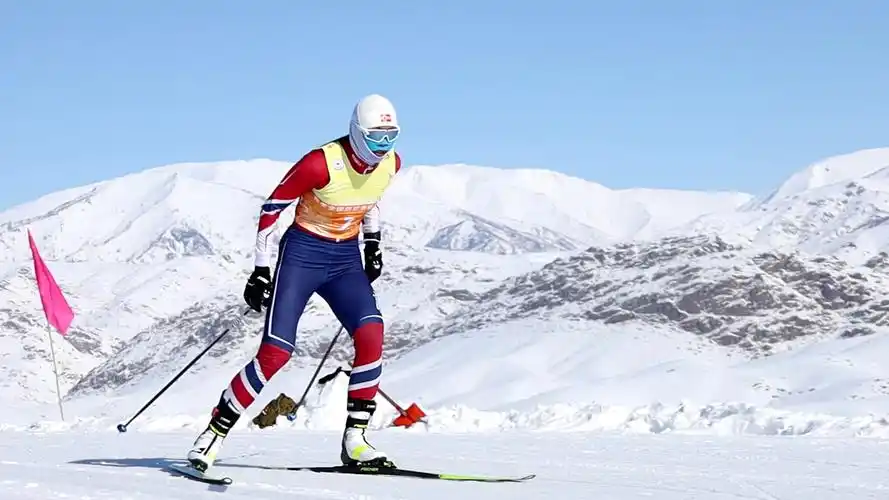
Why Xinjiang Is a Photographer’s Playground
The region’s continental climate delivers frequent bluebird days and exceptionally dry snow, which photographs beautifully. Resorts such as those covered in where to ski in Xinjiang sit beneath towering peaks where first light turns the ridgelines gold. Because many slopes face north or east, you get soft, even illumination for much of the morning — ideal for both action shots and wide landscapes.
Beyond the light, the scenery is genuinely unique. You can frame a friend carving through knee-deep powder with a wall of ancient pine behind them, or pan across a frozen river valley that glows blue at dusk. Few ski regions on earth combine this much vertical relief with such reliable clear skies, which is exactly why photographers keep returning season after season.
Best Times of Day for Ski Photography
Light changes fast in the mountains. The first two hours after sunrise offer calm air, long shadows, and a warm tone that flat midday sun cannot match. Plan your hero shots early, then shoot details and portraits around Xinjiang ski weather and snow conditions that you can track before heading up. Late afternoon brings another golden window, with alpenglow painting the high faces pink.
- Sunrise to 9 a.m. — clean light, few crowds, best for pancakes of fresh powder.
- 11 a.m. to 2 p.m. — harsh contrast; shoot in shade or use fill flash.
- 3 p.m. to sunset — warm, directional light for dramatic ridge lines.
If you only have one day, prioritize the early window. Not only is the light kinder, but the snow surface is untouched and the resort is quiet, giving you clean compositions without stray skiers cutting through the frame.
Essential Gear for the Slopes
You do not need a professional kit, but a few items make a real difference. A mirrorless or DSLR body with a weather-sealed lens is ideal; a modern phone also performs well in good light. Pack a lightweight neck strap or chest harness, spare batteries (cold kills them fast), and a small microfiber cloth for lens fog.
- A versatile zoom (24-70mm or 18-135mm equivalent) covers most scenes.
- A polarizer reduces glare off snow and deepens blue skies.
- Hand warmers tucked near batteries extend shooting time.
- A padded insert keeps gear safe in a daypack during lifts.
Consider a quick-release system so you can stow the camera instantly when you need both hands for a tricky traverse. Fumbling with zippers on a cold chairlift is how great shots get missed.
Camera Settings for Snow and Bright Light
Snow fools meters into underexposure, so dial in roughly +1 stop of exposure compensation to keep whites bright without clipping. Use a fast shutter (1/1000s or higher) to freeze spray on action shots, and switch to aperture priority around f/5.6-f/8 for landscapes. If you are unsure what to bring, our Xinjiang ski trip packing list covers camera kit alongside clothing.
For video, shoot at 60fps so you can slow footage down later, and keep the camera steady with a small gimbal or by bracing against a pole. Bright snow rewards careful exposure, so check your histogram rather than trusting the rear screen in sunlight.
Composing Compelling Ski Shots
Great ski photos tell a story. Shoot from a low angle to exaggerate the pitch, or frame a skier against a vast white field for scale. Include foreground texture — a ski tip, crusted snow, or frozen pine — to add depth. Burst mode helps catch the exact moment a friend launches off a roller, while panning with the subject blurs the background for a sense of speed.
Do not forget the quiet frames. A lone boot pack trail winding into the trees, steam rising from a mug at the lodge, or the graphic lines of a cable car against a clear sky all capture the feeling of a Xinjiang winter better than yet another action shot.
If you are shooting video as well as stills, plan a single hero run rather than filming everything. Pick a section with interesting terrain and good light, then lap it a few times so you can choose the cleanest take. Endless random footage is hard to edit and rarely better than one beautifully framed descent.
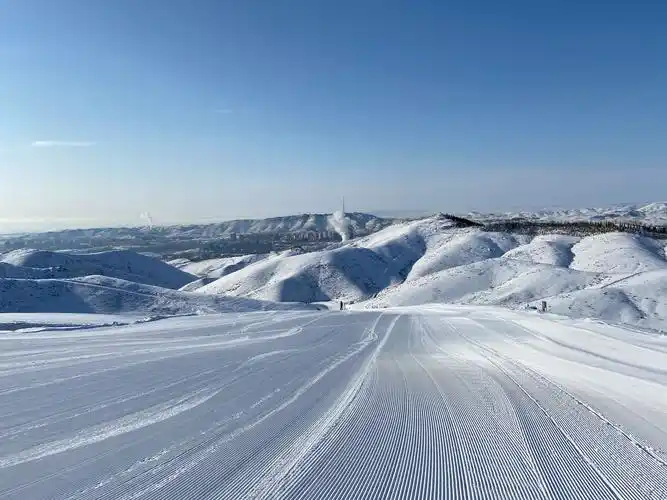
Staying Safe While Shooting
Never trade a photo for a risky line. Keep one eye on terrain and never stop in a blind spot below a lip. The best time to ski in Xinjiang often means cold mornings, so glove up between frames and watch for frostbite on exposed fingers. If you wander beyond the ropes for that perfect alpine frame, ski with a partner and carry a beacon.
Battery safety matters too. A dead camera is an inconvenience; a dead phone in a remote area is a safety issue. Keep your communication device warm and separate from your photography gear so a spilled lens cap never costs you a way to call for help.
Editing and Sharing Your Work
Back up images nightly — cold batteries and dropped phones are real risks on the mountain. A light edit in any free app recovers shadow detail and tames blown highlights. Resist heavy saturation; Xinjiang’s snow already glows. When you share, geotag loosely and credit the resort so fellow travelers can find the same magic.
A simple workflow — cull, correct exposure, soften highlights, then a touch of clarity — keeps your feed consistent. Over-editing snow into neon blue is the fastest way to make an otherwise great day look artificial, so aim for natural and bright rather than dramatic and fake.
Frequently Asked Questions
Can I photograph skiing with just a phone?
Yes. Modern phones handle bright snow well. Use tap-to-expose on the snow, enable HDR, and keep the lens clean. A small clip-on wide lens adds drama to landscape frames.
How do I stop snow from ruining my camera?
Choose weather-sealed gear where possible, keep spare batteries warm inside a jacket, and never change lenses in falling snow. A simple dry bag protects the kit on chairlifts.
What is the best month for ski photos in Xinjiang?
January and February deliver the deepest snow and clearest cold-light days, though early March often brings softer light and fewer crowds for cleaner compositions.
Should I shoot in RAW or JPEG?
RAW gives far more room to recover highlights and shadows in tricky snow contrast. If storage is tight, a fine JPEG is acceptable for social sharing only.
How can I capture fast action without blur?
Use shutter priority at 1/1000s or faster, enable continuous autofocus, and shoot in burst mode. A bright day lets you keep ISO low for crisp results.
Is drone photography allowed at Xinjiang resorts?
Rules vary and airspace near borders is restricted. Always check with the resort and local authorities before flying; many areas prohibit drones entirely for safety.