

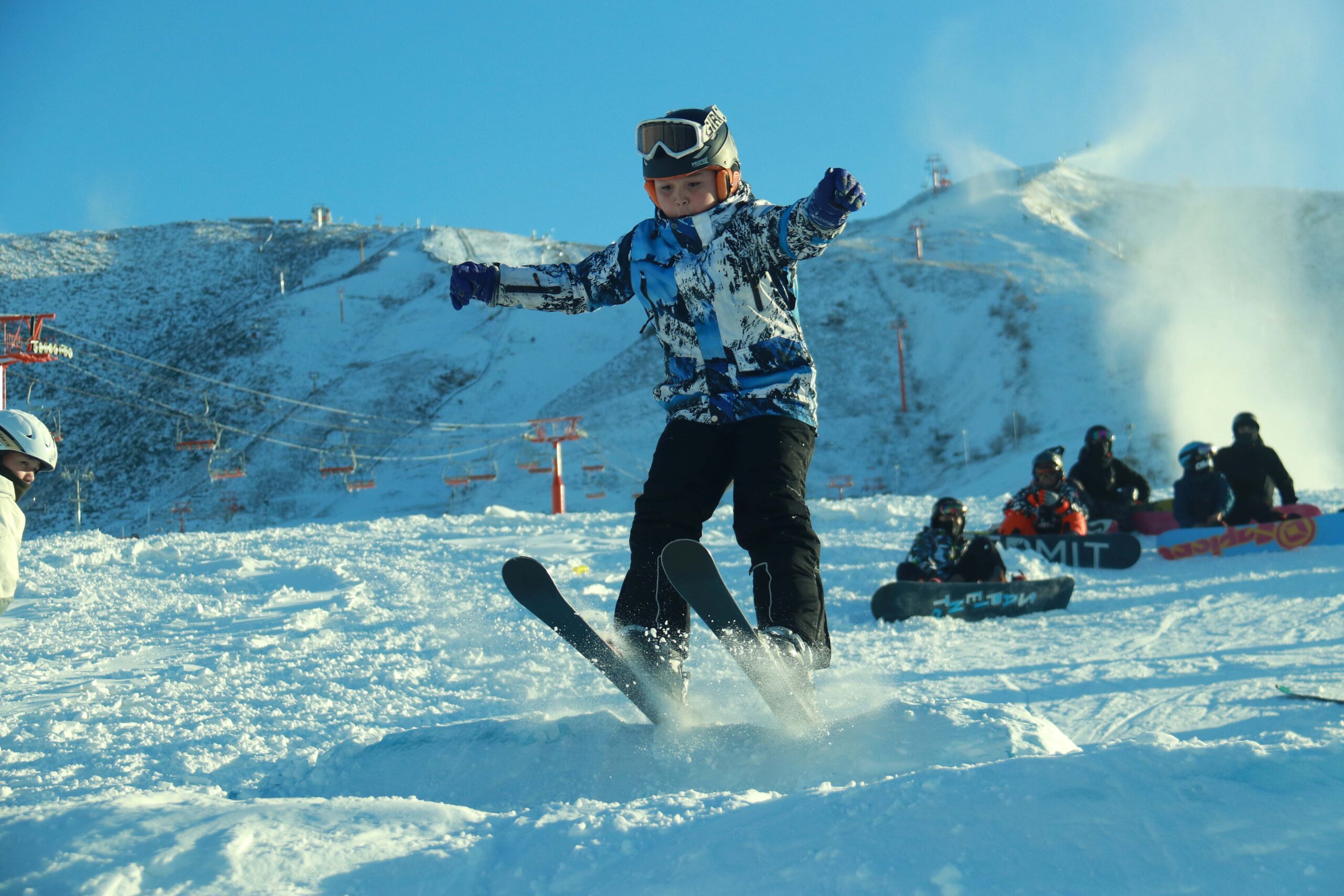
Xinjiang serves up some of the most photogenic ski terrain on the planet. Endless Central Asian powder, sun-bleached ridgelines, and the kind of clean light that makes even a modest phone shot look like a magazine cover. Whether you are a casual skier who wants a few keepers for social media or a budding action shooter building a portfolio, this guide walks you through the gear, the settings, and the cold-weather habits that turn a blur into a frame worth printing. A little planning goes a long way when the temperature drops and your fingers stop cooperating on the chairlift.
Why Xinjiang Is a Skier’s Photography Dream
The resorts around Altay and the Tian Shan range sit far from major light pollution, which means crisp, contrasty mornings and deep-blue skies that flatter snow. The snow itself is dry and fluffy, so spray off a turn reads beautifully against a dark jacket or a pine backdrop. If you are still deciding what to bring beyond the camera, our Xinjiang ski trip packing list covers the non-camera essentials you will want in the bag alongside your lenses, from spare gloves to lip balm.
Best Camera Gear for the Slopes
You do not need a flagship body to get great shots, but you do need gear that survives the cold and the inevitable drops. Consider this short list before you fly out, and remember that weight on the mountain is real — every extra lens is one more thing freezing your hands:
- Mirrorless body with weather sealing — easier to keep warm in a jacket pocket between shots than a bulky DSLR, and sealed against snow.
- One versatile zoom (24-70mm or 24-105mm) — covers portraits, landscape, and mid-range action without swapping lenses in the snow.
- A lightweight action cam — mounted on a chest or helmet rig for hands-free run footage you can cut later.
- Spare batteries (three minimum) — cold kills battery life fast, and there are no kiosks on the chairlift to bail you out.
- A microfiber cloth and a dry bag — condensation and snow are the two quiet enemies of every ski photographer.
For timing your sessions, the soft low-angle light around opening and late afternoon is pure gold. Our guide to the best time of day to ski in Xinjiang explains how the sun tracks across the main faces, so you can plan both your runs and your shoots around the cleanest light of the day.
Shooting in Harsh Light and Cold
Bright snow fools every meter into underexposing, so open up about one stop from what the camera suggests, or dial in exposure compensation of +0.7 to +1.0. Shoot in RAW so you can recover blown highlights later without turning the snow to mush. Keep the camera inside your jacket when not firing, and let it warm gradually indoors before changing cards — a sudden temperature swing invites condensation inside the lens that can ruin a whole trip.
Protecting Your Gear on the Mountain
Never leave gear in a hot lodge after a cold morning; the thermal shock is worse than the cold itself. Wipe the lens ring after every run in heavy snow, and carry a small silica pouch in your dry bag to fight moisture. If you are chasing deep days, check our notes on Xinjiang powder days so you know when the light and the snow line up for the hero shot you actually came for.
Composing Strong Ski Photos
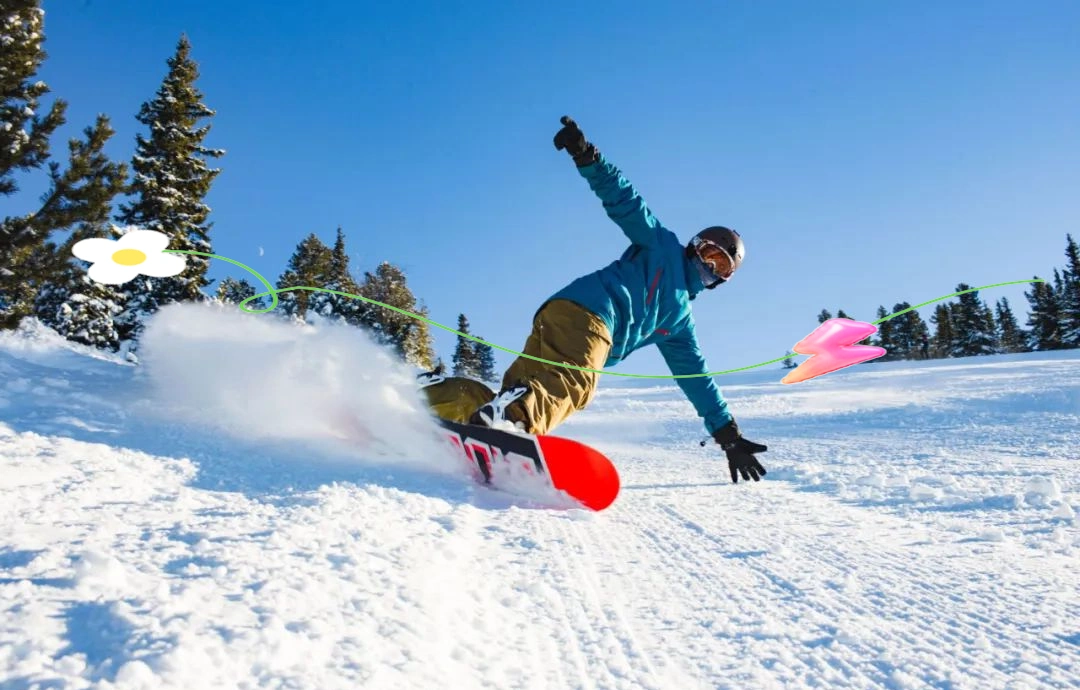
Great ski images usually have a clear subject, a sense of speed, and honest scale. Crouch low to make a small kicker look huge, or shoot from above to show the full line. For action, use shutter priority at 1/1000s or faster to freeze spray; for silky powder trails, drop to 1/250s and pan smoothly with the skier. Off-piste lines especially reward a wide focal length and a brave angle — browse Xinjiang off-piste skiing for terrain that photographs as well as it skis, with cliff bands and open bowls that frame themselves.
Using Drones Responsibly
Aerial footage of the Altay backcountry is genuinely stunning, but Xinjiang has strict no-fly zones near borders and certain resort sectors. Always register and check local restrictions before launch, and never fly over crowds or lift lines where a malfunction could hurt someone. Our dedicated Xinjiang ski drone rules explain where and when you can legally put a quadcopter in the air, and what gets confiscated if you ignore the posted signs.
Editing and Sharing Without Losing the Mood
Resist the urge to crush the contrast until the snow goes grey. Keep whites clean, lift shadows gently, and protect the blue of the sky. A light vignette and a touch of clarity on the subject is usually enough. Export at full resolution for prints and a compressed copy for sharing, and tag the resort so fellow riders can find the line you skied.
Backing Up on the Road
Nothing ends a trip like a corrupted card on the last day. Carry two small SSDs or a phone with spare space, and back up every evening while the day is still fresh in your head. Cloud uploads are slow in remote corridors, so local copies are your safety net. Label cards by date so a missing file is easy to trace once you are home and sorting hundreds of frames.
Staying Safe While You Shoot
The line between a great photo and a rescue is thinner than most people admit. If you wander beyond the ropes for a cleaner backdrop, respect terrain traps and carry the basics. Review Xinjiang avalanche safety before any sidecountry mission, and tell a partner where you are heading. A phone in your pocket is only useful if someone knows to call when you do not show up for the last lift.
Frequently Asked Questions
Do I need an expensive camera to get good ski photos?
No. Modern phones with a clean lens and good light produce shareable results. A dedicated camera helps in low light and fast action, but technique and timing matter far more than the price tag on the body.
How do I stop my battery dying in the cold?
Keep spares in an inside pocket against your body, swap at the first sign of slowdown, and avoid leaving the camera exposed on the lift. Three batteries is a realistic minimum for a full day of shooting in deep cold.
Can I fly a drone at Xinjiang ski resorts?
Only in approved areas, and never near borders or marked no-fly sectors. Check the resort noticeboards and our drone rules guide before you pack one at all, because the fines and confiscations are real here.
What settings freeze powder spray?
Use shutter priority around 1/1000s to 1/1600s, continuous autofocus, and burst mode. Open exposure about one stop to counter the brightness of the snow so your subject is not a dark silhouette.
How should I store gear after a cold morning?
Let it warm slowly inside a dry bag or sealed camera cube before opening, so condensation forms outside the bag rather than on the delicate glass of the lens.
Where are the most photogenic runs?
Tree skiing, open powder bowls, and first-light groomers all photograph well. Match the terrain to your lens and read the off-piste guide for the dramatic lines that make the best frames.