

Xinjiang’s ski resorts sit in some of the most photogenic winter terrain on earth: vast bowls of dry, feather-light powder, jagged Altai peaks, and villages where snow piles against wooden fences and smoke curls from chimneys. For many foreign skiers the trip is as much about the images as the runs, which is exactly why a practical Xinjiang ski trip photography guide is worth reading before you pack. The cold, the altitude, and the distance from home all work against casual phone snapshots, but with a little planning you can come home with photos that actually do the place justice. This article covers gear, light, permits, and the everyday habits that separate a forgettable folder of grey shots from a set of images you will actually show people.
Why Xinjiang Is a Photographer’s Ski Destination
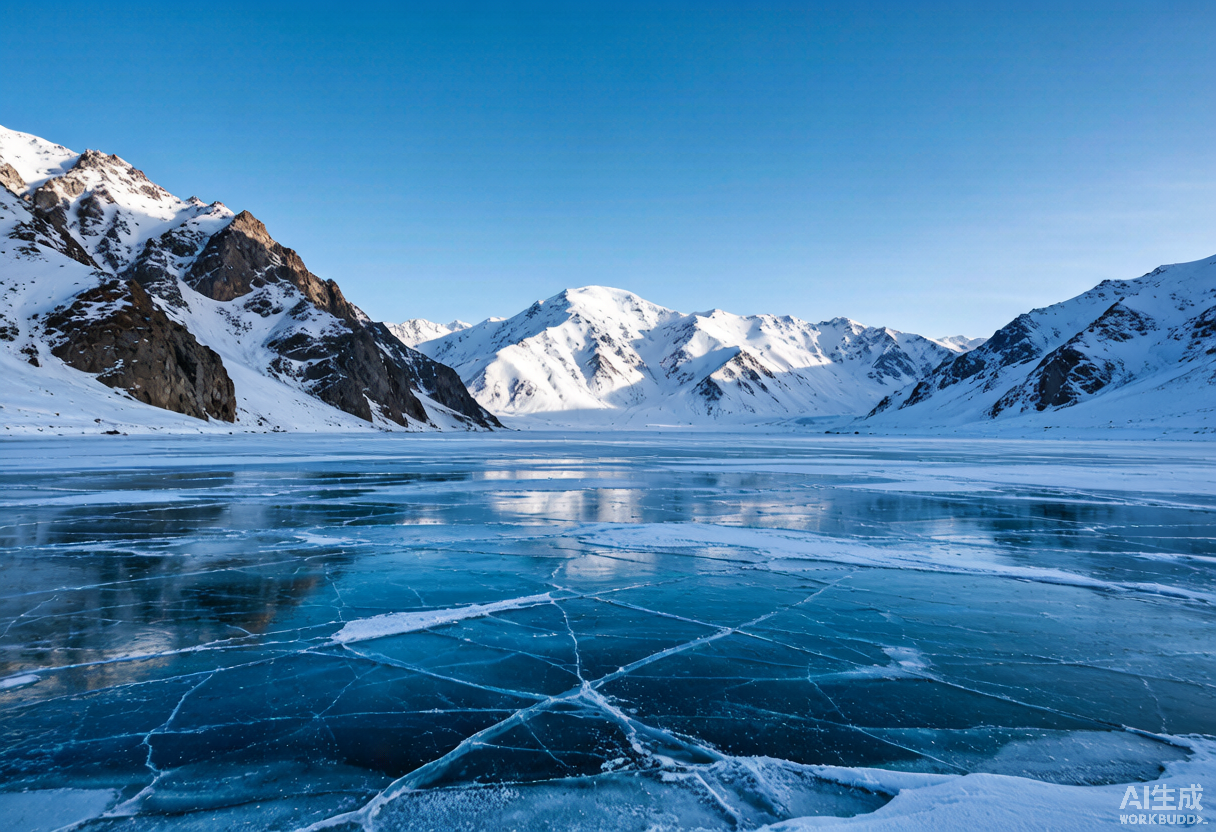
Most skiing destinations trade scenery for convenience, but Xinjiang keeps both. The region’s continental climate produces snow with very little moisture, so it stays loose and billowy rather than heavy and slab-like, which looks spectacular when it sprays off a turning ski. Resorts such as those around Altay and the bigger developed mountains near Urumqi sit beneath dramatic ridgelines that catch the low winter sun at a long, raking angle. That combination of texture and light is rare, and it is the reason serious ski photographers put Xinjiang on their list even though the logistics take more effort than a resort in the Alps.
Gear That Survives the Cold
Batteries are the first thing to fail in sub-zero weather, so carry at least two spares per camera and keep them in an inside pocket against your body until you need them. A phone that dies at minus fifteen is normal, not a fault, and the same is true for mirrorless and DSLR bodies if left exposed. Our Xinjiang ski packing list includes a small camera-battery section, but the short version is: insulated pouch, silica gel to fight condensation when you move between cold slopes and warm lodges, and a lightweight tripod that will not freeze your gloves to the metal. Avoid changing lenses outdoors in falling snow; do it inside where you can.
Best Light and Timing
The quality of your light matters more than the quality of your lens. In Xinjiang the early hours after sunrise and the last ninety minutes before sunset give the warm, directional light that makes snow glow instead of blowing out to white. Our best time of day to ski guide is written for snow conditions, but the same windows are gold for photography, so plan a few runs specifically to be at a viewpoint when the light is right rather than chasing the best snow all day. Overcast days flatten the contrast and are good for detail shots of trees and riders, while bluebird days are best for wide hero scenery.
Drones and the Rules You Must Know
A drone can capture the scale of a Xinjiang bowl in a way no handheld camera can, but the rules are strict and they are enforced. Foreign visitors should assume that flying without permission is risky near resorts, towns, and any sensitive area, and the penalties are not worth the footage. Read our Xinjiang ski drone rules before you even pack a drone, because bringing one you cannot legally fly is just extra weight. Where flying is allowed, keep the aircraft in sight, stay clear of lifts and crowds, and respect any no-fly zones the resort posts.
Permits and Courtesy on the Mountain
Beyond drones, photography itself can need care. Some resort areas and especially nearby villages or cultural sites may restrict commercial or even casual shooting, and pointing a long lens at locals without asking is poor form anywhere. Our resort photography permits guide explains where you may need approval and how to ask politely. For everyday slope shots of friends and scenery you are normally fine, but if you plan to publish images or shoot a brand, confirm permissions first so a great day does not turn into a dispute.
Shooting on the Slopes: Practical Tips
Action shots need a fast shutter and a steady hand, but the bigger wins come from anticipation. Watch where riders pop off a bump or carve a clean turn, pre-focus there, and fire in bursts. Snow fools meters into underexposing, so open up exposure by about a stop from what the camera suggests, or shoot in raw and recover highlights later. A small chest or helmet mount gives a first-person feel that readers love, while a partner shooting from the side captures the line. Keep the camera accessible, not buried in a pack, or the moment is gone before you unzip.
Weather, Protection, and Your Own Comfort
You cannot photograph what you cannot feel your fingers to shoot, so dress for standing still as well as skiing. Our monthly weather guide helps you pick weeks with the light and snow you want, but on the day itself bring thin liner gloves you can wear while operating the camera under your mittens. Condensation is the quiet killer: when you come inside, seal the camera in its bag until it warms to room temperature, then open it, or the lens fogs and can spot with moisture. A neck gaiter over the mouth also stops breath fog on the viewfinder.
Composition: Make Snow Read as Snow
The hardest thing for beginners is that snow in a frame looks flat and grey next to the bright sky, so give it a reference point: a rider, a tree, a lift tower, or the dark line of a ridge. Include foreground interest within a few metres of the lens, because an all-white slope with nothing to anchor scale reads as a blank wall. Leading lines, such as a groomed piste curving toward a peak, pull the eye into the frame and turn a snapshot into a photograph worth printing. Shoot a few frames from low and a few from high at the same spot, since the change in angle alone often makes the difference between ordinary and striking.
After the Trip: Editing and Sharing
Raw files from Xinjiang snow usually need a slight lift in shadows and a pull on highlights to look like what you saw. Resist the urge to oversaturate the blue sky; the real colour is already vivid, and pushing it reads as fake to anyone who has been. Back up before you edit, because a lost card of once-in-a-lifetime shots is a special kind of regret. When you share, tag the resort and the region so other skiers can find the place, and credit local guides or guesthouses if they helped you reach a viewpoint.
Frequently Asked Questions
Do I need a special camera for Xinjiang ski photos?
No. A modern phone in good light produces fine results, and a mirrorless or DSLR with one versatile zoom is plenty. Spare warm batteries and basic cold-weather discipline matter more than the body itself.
Can I fly a drone at Xinjiang ski resorts?
Often not without permission, and rules are strictly enforced near resorts, towns, and sensitive areas. Check our drone rules guide before travelling, and assume flying is restricted unless you have clear approval.
What is the best time of day to shoot?
The first hour after sunrise and the last ninety minutes before sunset give warm, directional light that makes snow glow. Overcast days suit detail and tree shots; bluebird days suit wide scenery.
How do I stop my camera fogging indoors?
Seal it in the camera bag and let it warm to room temperature before opening. Condensation forms when cold gear hits warm humid air, so patience protects the lens.
Is it rude to photograph locals?
Ask first. A smile and a simple greeting go far, and some villages or cultural sites restrict shooting. Courtesy keeps the encounter friendly and avoids trouble.