

Train station transfers to Xinjiang ski resorts are the part of the trip most foreign skiers underestimate. The rail network into Xinjiang is fast and comfortable, but the last leg from the platform to the powder still takes planning. Urumqi and Altay are the main gateways, and from either station you have a choice of coaches, hotel vans, and rental cars. Before you lock in a route, read our guide to taking the train to Xinjiang ski resorts so the timetable matches your first ski day rather than fighting it.
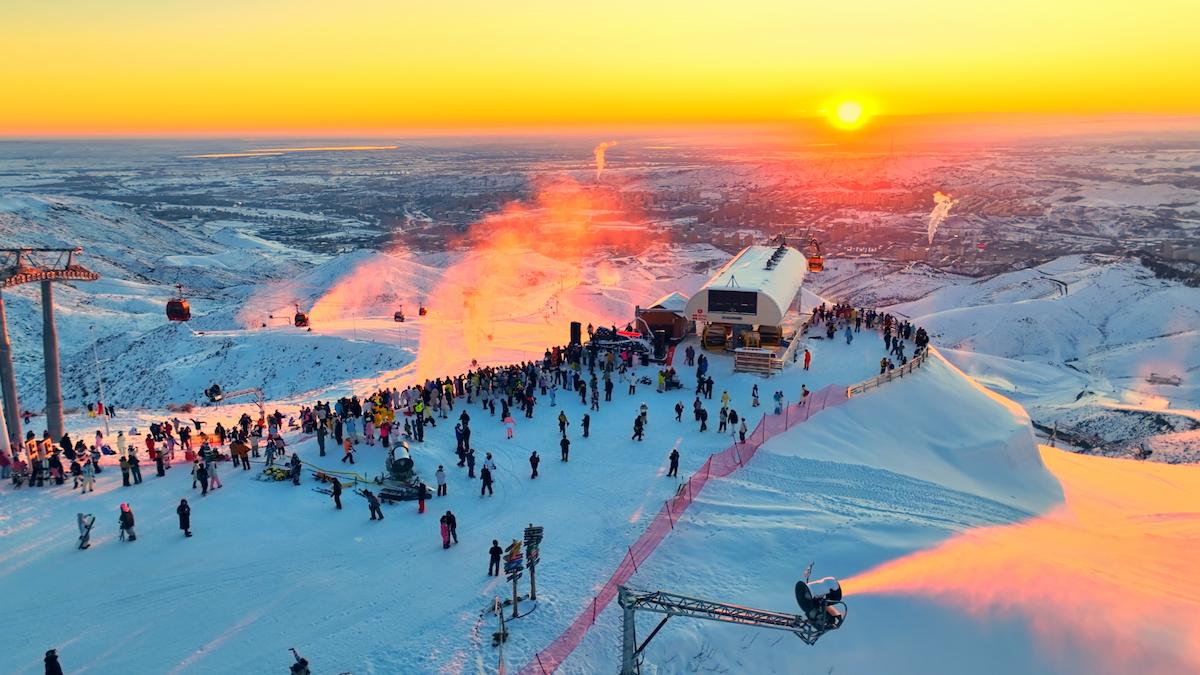
Urumqi Station: The Busy Hub
Urumqi is the usual entry point, with high-speed links from most major Chinese cities and a string of resorts within a few hours. From the station you can catch a long-distance coach, book a hotel van, or pick up a rental car. The city is large, so build in real transfer time: the station sits well outside the ski areas, and winter traffic adds another buffer you do not want to skip. Arriving the night before and skiing the next morning is the calmest rhythm.
Booking the Coach in Advance
Coaches to the resorts leave from the long-distance bus station, not the train concourse, so expect a short taxi or walk between them. In peak season these sell out, and a same-day ticket is a gamble. Reserving through your hotel the day before is the low-stress fix, and it lets you focus on the snow instead of a departure board in a cold concourse.
Altay Station: Closer to the Goods
Altay city is nearer to the famous northern resorts, which shortens the final transfer considerably. From Altay station a van or coach gets you to the base in roughly an hour in good weather, sometimes less. This is why many skiers route through Altay rather than Urumqi when their only goal is the mountain, not the city sights. Pair it with our Xinjiang skiing guide to decide which gateway fits your trip.
Why Altay Saves a Transfer
Less road time means more ski time and one fewer weather-dependent leg. If a storm closes a pass, a shorter transfer is also easier to rebook. Our where to ski in Xinjiang guide compares the gateways side by side so you can pick the one with the shortest last mile, which is often the difference between first tracks and a late start.
Hotel Vans Versus Private Cars
Many resorts run vans straight from the station, and a private car hired in the city gives you total flexibility once you arrive. The van is simplest and often cheapest per head if shared; the car suits travellers who want to explore several bases or visit a nearby town. Weigh both against our renting a car for a Xinjiang ski road trip guide before you decide, because parking and winter driving are their own skill set.
Sharing to Cut the Fare
Station vans are usually priced per vehicle, so grouping with others on your train splits the cost sharply. Resort desks do this daily and will happily pair solo travellers; a shared van often ends up near the coach price with none of the waiting around. It also means you are not the only one responsible for finding the driver in a busy car park.
Timing the Last Mile
The final transfer is the leg most exposed to weather. Snow slows every road in Xinjiang, and a delayed train eats into your buffer. Build a cushion of a few hours between arrival and your first lift, especially in January and February when storms are likeliest. If you want the calmest possible start, our getting to Xinjiang ski resorts guide walks through the full door-to-piste chain.
Luggage on the Train and the Van
High-speed trains allow bulky bags but not loose skis in the aisle, so use a proper ski bag and stow it in the rack at the car end. On the van, the hold takes skis easily, but keep boots and passport with you. A bright tag on the bag saves a frantic search at the resort, where half the coach seems to own the same black wheelie case.
Winter Weather and Delays
Xinjiang winters are beautiful and occasionally brutal. Snow, ice, and wind can delay both trains and road transfers, so treat the schedule as a plan, not a promise. Build the cushion, watch the resort snow report, and have the hotel number ready so a delay becomes a late check-in rather than a stranded evening.
Cost Comparison at a Glance
- Coach: Cheapest, fixed timetable, least flexible, best for solo budget travellers.
- Hotel van: Mid-price, shared or private, meets your train, best balance of ease and cost.
- Private car: Priciest, total freedom, best if you roam several bases or tow kids and kit.
- Ride app: City-only, fine for the gateway leg, unreliable on the mountain.
Family, Group, and Accessible Transfers
Families with children and travellers needing step-free access should tell the resort when booking, because vans and coaches vary in space. A pre-arranged van beats juggling a pram onto a crowded coach, and the resort can match you to a vehicle with room for boots, bags, and a tired child. Groups of four or more almost always save money by taking one van together rather than buying separate coach seats.
A Simple Booking Checklist
If the planning feels like a lot, reduce it to five steps. First, choose your gateway, Urumqi or Altay, based on which resort you want. Second, book the train to that city a few weeks out for the best fares. Third, ask your hotel to reserve the station-to-resort van the day before. Fourth, keep small cash and your passport handy for the platform. Fifth, pad the arrival with a few hours of buffer so a delay never costs you a ski day. That sequence covers almost every transfer mistake skiers make.
What If You Miss the Last Connection
It happens. A late train, a closed pass, or a missed van can leave you in the gateway at night. The fix is the same every time: call the resort, book a hotel van or a room in the city, and try the mountain the next morning. Altay and Urumqi both have plenty of winter-ready lodging, so a missed connection is an extra night, not a disaster. The travellers who suffer are the ones who did not build any buffer at all and then had nowhere to go.
Frequently Asked Questions
Which station is closest to the ski resorts?
Altay station is closest to the famous northern resorts, roughly an hour by van in good weather. Urumqi is the bigger hub with more trains but a longer final transfer to the slopes.
Can I book a transfer before I arrive?
Yes, and you should in peak season. Hotels and local agents book vans and coaches a day ahead, which avoids sold-out coaches and a cold wait at the station.
Is the train or a flight better for the last mile?
Either can work. Trains are comfortable and central, but the station-to-slope transfer still needs a coach or van. Flights land at the airport, which has the same transfer options one step further out.
How much buffer should I leave after arriving?
Plan a few hours, more in winter. Snow slows the roads and delayed trains are common, so a cushion protects your first ski day from a missed connection.
Do station vans take foreign cards?
Often through Alipay or WeChat Pay linked to a passport, but cash is the safe backup at smaller operators. Have some yuan ready for the last mile.
Should I rent a car at the station?
Only if you want to roam multiple bases or towns. For a single resort, a van plus the free shuttle covers almost everything and spares you winter driving.