

Planning your first turns on snow can feel intimidating, but China’s skiing scene has grown into one of the most beginner-friendly in Asia. Over the last decade the country has built modern lift systems, dedicated learning areas, and English-capable instructors at the major resorts, so a first-time skier can go from never having worn a boot to linking gentle turns in a single long weekend. This guide focuses on the resorts and practical details that make learning to ski in China straightforward, affordable, and genuinely fun.
Why China Is a Great Place to Learn
China’s northern provinces receive reliable snowfall from December through March, and many resorts supplement natural snow with powerful snowmaking. That means consistent, forgiving surfaces for practice. Resorts such as those around Beijing, Hebei, and Heilongjiang were designed with domestic first-timers in mind, so you’ll find wide, groomed beginner trails, conveyor-belt magic carpets, and fenced-off training zones that keep faster skiers away from learners. The learning infrastructure is often better than what you’d find at comparable resorts in Europe or North America, simply because the local market is still growing and resorts compete on accessibility.
What Makes a Resort Beginner-Friendly
When you’re choosing where to learn, look for three things: a dedicated beginner area, patient rental staff, and a clear progression of slopes. The best ski resorts in China separate novices from intermediate and advanced terrain so you are never forced onto a slope above your level. Good signage in English, on-mountain cafes at the base of the learner area, and instructors who speak basic English all make the first day far less stressful.
- Dedicated learning zones with magic carpets instead of chairlifts for the very first session.
- Wide, flat green runs that give you room to fall and get up without sliding downhill.
- Rental packages that include a helmet, wrist guards, and properly fitted boots.
- Lesson bundles that combine equipment, lift access, and a group class at one price.
Top Beginner Picks by Region
If you want the easiest possible first experience, the resorts near Beijing and Zhangjiakou are hard to beat for transport and amenities. For a deeper snow and a more dramatic mountain backdrop, northeastern resorts in Heilongjiang and Jilin offer colder, drier powder and a real winter wonderland feel. And if your goal is to combine learning with an unforgettable landscape, our beginners skiing China guide walks through the Xinjiang option, where wide-open slopes and light crowds let you practice without pressure.
Near Beijing and Zhangjiakou
These resorts are reachable by high-speed train or a short transfer, which keeps logistics simple. The slopes are busy on weekends but quiet on weekday mornings, and the ski schools are well organized.
Northeast (Heilongjiang and Jilin)
Expect colder temperatures and excellent snow quality. The trade-off is a longer flight, but the beginner areas are excellent and the surrounding ice festivals make for a memorable trip.
Xinjiang in the Far West
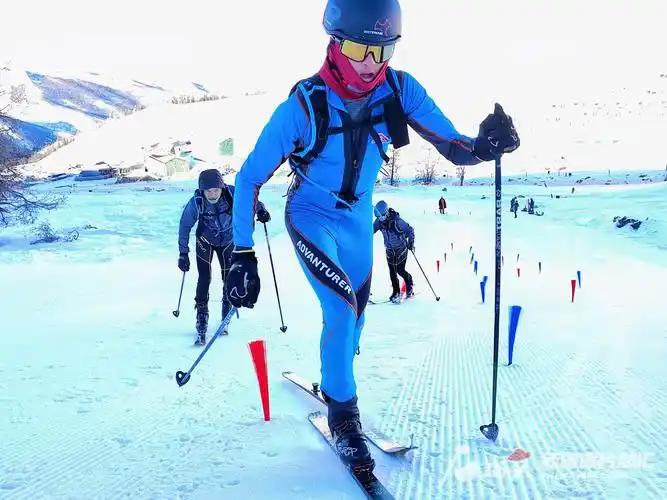
Long, sunny days and dry powder make Xinjiang a sleeper pick for learners who want space to breathe. Crowds are lighter than in the east, so you spend more time skiing and less time queuing.
How Much a First Ski Trip Costs
Budget is often the deciding factor for new skiers. The good news is that China is one of the better-value places in the world to learn. A budget ski China guide will show you that a weekend of lessons, rentals, and lift access at a mid-size resort can cost a fraction of an equivalent trip in the Alps. Lift tickets for beginners are usually cheaper than full-mountain passes, and many resorts offer “first timer” bundles that cap your spending.
- Lift ticket (beginner area): often priced separately and cheaper than all-mountain access.
- Rental set: skis, boots, helmet, and poles included in most lesson packages.
- Group lesson: the most affordable way to learn proper technique from day one.
- Clothing: if you don’t own winter gear, on-site rental of jackets and pants is widely available.
What to Expect in a Group Lesson
A typical first lesson starts on flat ground, where you learn to walk in skis, fall, and stand back up. From there the instructor introduces the snowplough position, which is the foundation of speed control. You’ll practice turning left and right by shifting weight, then ride the magic carpet to a gentle slope to put it together. By the end of a two-hour session most beginners have completed several short runs. Group lessons are social and reassuring — everyone is in the same boat, and progress feels shared.
Common Beginner Mistakes to Avoid
- Looking down at your skis: keep your head up and look where you want to go.
- Leaning back: stay centered over your boots; leaning back makes edges slip.
- Skis too parallel too soon: the snowplough is your friend for weeks, not minutes.
- Overdressing: you’ll work hard and sweat; layer so you can vent.
- Skipping the lesson: self-teaching leads to habits that are hard to unlearn.
Tips for a Smooth First Day
Arrive early, especially on weekends, so you can complete rental fitting and registration before the slopes fill up. Wear a single pair of thin, warm socks rather than thick layers that will make boots uncomfortable. Take a lesson even if you’re athletic — skiing uses muscles and movements that are unlike any other sport, and an hour with an instructor saves days of bad habits. Most importantly, fall safely: try to relax and sit down rather than catching yourself with straight arms.
Building Confidence Beyond the Bunny Slope
After two or three sessions on the beginner carpet, most people are ready for a short green chairlift run. Resorts grade slopes as green (easy), blue (intermediate), and black (advanced), and the green trails at Chinese resorts are typically long and gently graded. Progress at your own pace; there is no rush to leave the beginner area until you feel balanced and in control on gentle terrain.
Why Xinjiang Deserves a Look
Many international skiers have heard of Beijing’s resorts but overlook the west. Why Xinjiang is China’s best ski destination comes down to snow quality, space, and value. For a beginner who wants calm slopes and jaw-dropping mountain scenery, it is worth putting on the list for a second or third trip once the basics are locked in.
Frequently Asked Questions
Do I need to speak Chinese to ski in China?
No. At the major resorts you can get by with English, especially in rental shops and ski schools that cater to international guests. Translation apps handle the rest, and signage at top beginner resorts is increasingly bilingual.
Is skiing in China safe for complete beginners?
Yes. Beginner areas are fenced and separated from faster terrain, staff are trained to help first-timers, and wearing a helmet (included with most rentals) significantly reduces risk. Take a lesson and stay within the marked green zones.
What is the best month for a first ski trip?
January and February offer the most reliable snow and the fullest resort services, though they are also the busiest. December and March are quieter and still have good conditions, making them ideal for learners who want space.
Can children learn at these resorts?
Absolutely. Most large resorts run dedicated kids’ ski schools with their own gentle slopes and patient instructors, and family packages are common across the major destinations.
How many days do I need to learn the basics?
Most adults can stand, stop, and ride a beginner lift confidently after two full days of lessons. Three days lets you venture onto longer green runs with real confidence.