

Backcountry skiing in Xinjiang has quietly become one of the most rewarding ways for experienced skiers to explore the region. While the managed resorts around Altay and Urumqi draw crowds, the untouched mountains beyond the boundary ropes offer deep, light powder and a silence you rarely find on a groomed piste. This guide explains how to plan a safe, legal, and genuinely memorable off-piste trip in Xinjiang, from choosing terrain to hiring guides and packing the right gear.
Why Xinjiang Is a Backcountry Paradise
The Altay range in northern Xinjiang sits at the crossroads of Siberia, Mongolia, and Central Asia, and it receives some of the driest, fluffiest snow on the planet. Local skiers call it “magic snow” for good reason. For foreign visitors who already know the Xinjiang skiing guide, stepping past the resort gates opens a far wilder landscape of tree runs, open bowls, and long glacier descents that feel worlds away from the busy base villages.
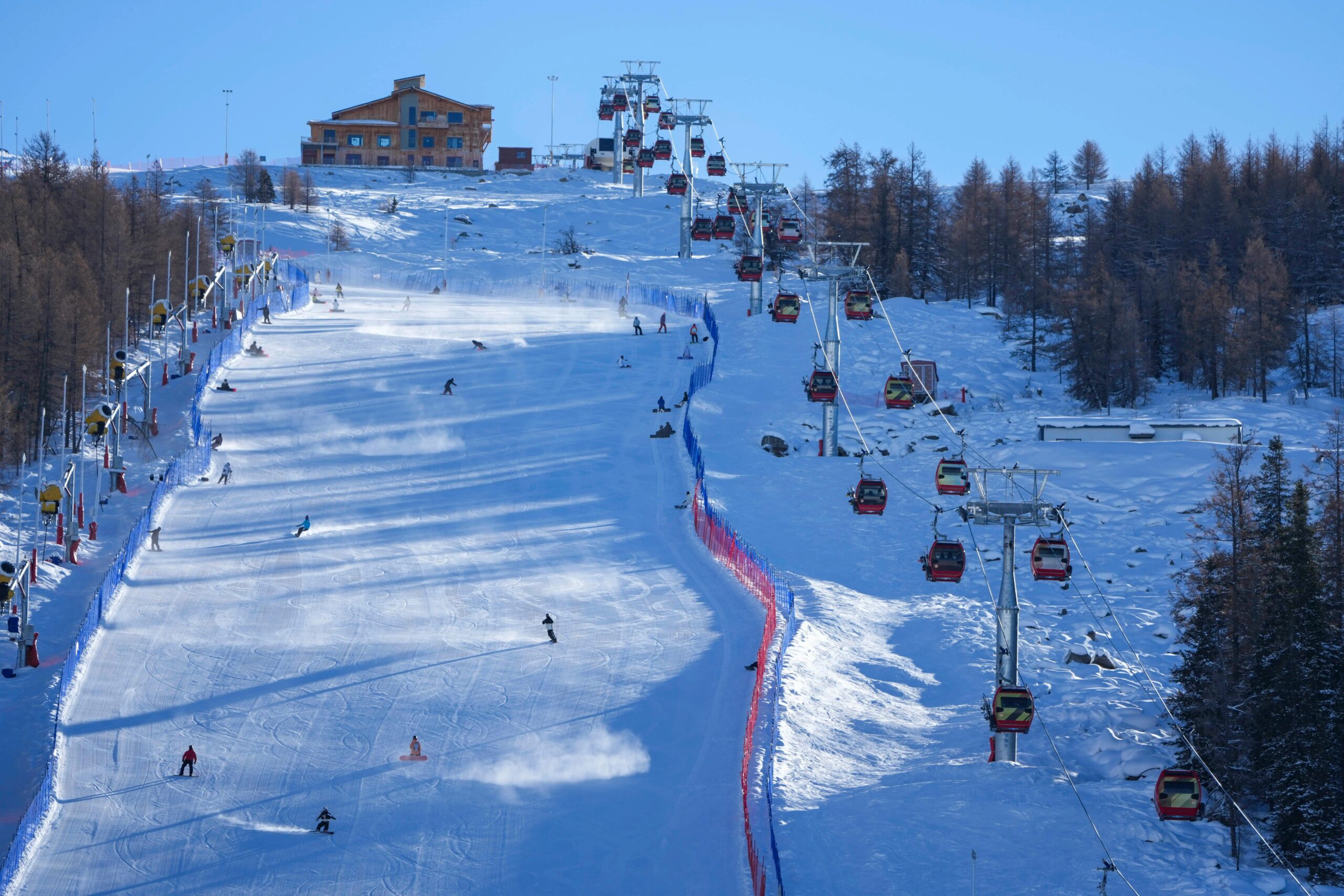
What makes the region special is accessibility. Several famous backcountry zones sit within a short drive of established Xinjiang ski resorts, so you can base yourself in comfort and still reach pristine lines each morning without a multi-day expedition. The resorts themselves often act as launch points for guided tours, with operators who know the surrounding drainages intimately.
The Snow Quality Advantage
Because the climate is cold and dry, snow stays powdery for days after a storm. This is a major difference from the heavier, wet snow found in many European Alps destinations, where a bluebird day can still mean sticky afternoon conditions. Skiers who time their visit during the best time to ski in Xinjiang often report waist-deep powder on northern aspects well into March, with cold smoke that barely sticks to the skis.
Popular Backcountry Zones Near the Resorts
The most accessible terrain clusters around two hubs. Near the city of Altay, the mountains above Jiangjunshan ski resort connect to vast wild slopes that local guides have skied for generations. Further south, areas near the big Urumqi resorts feed into long side-country descents that advanced skiers love for their sustained pitch and big vertical.
- Jiangjunshan side-country: short hike, big reward, ideal for a first backcountry taste.
- Koktokay fringe terrain: higher altitude, colder snow, and far fewer people on the mountain.
- Altai native forest runs: gladed tree skiing with incredible visibility on clear, cold days.
Reading the Terrain: Aspect, Elevation, and Tree Cover
Before you commit to a line, learn to read the mountain. North and east faces hold snow longer but gather less sun, so they stay firmer and safer late in the season. South faces soften quickly and can develop dangerous melt layers during warm spells. Elevation matters too: tree line around 1,800 to 2,200 metres marks the transition from open alpine bowls to sheltered forest, and each zone demands different skills.
Tree cover is your friend in poor visibility, but spaced glades hide hidden stream beds and root walls. Open bowls are glorious on clear days yet expose you to wind loading and cornice collapse. A good rule is to pick terrain one level easier than you would ride at a resort, because there is no ski patrol to fetch you if something goes wrong.
Essential Safety Gear and Training
Backcountry travel demands respect. At minimum every member of your party needs a digital transceiver, a probe, and a shovel. An avalanche airbag pack is strongly recommended for steep terrain, and a helmet rated for impacts should be non-negotiable. Beyond equipment, you should complete an avalanche awareness course before venturing out, ideally one that includes a full rescue drill with your own gear.
Never Ski Alone
The single most important rule is to never tour solo, especially as a foreign visitor unfamiliar with local terrain. Travel with a certified guide or an experienced local group. Cell coverage is patchy in the mountains, so a satellite messenger is wise, and someone outside the group should always know your planned route and return time.
Layer correctly for the cold: start from our clothing layering guide and add a dedicated avalanche kit on top of your normal ski outfit. Thin base layers, an insulating mid layer, and a windproof shell will keep you functional during long, cold transitions between climbs and descents.
Permits, Guides, and Local Rules
Some border-adjacent areas require permits, and rules change by county, so always confirm with your hotel or a licensed operator before heading out. Hiring a local guide not only keeps you legal but also unlocks the best lines and helps you avoid closed military zones that are easy to wander into by mistake. Licensed operators around the main resorts can arrange transport, safety gear rental, and bilingual guiding, and you should book at least a few days ahead in peak season.
A Typical Backcountry Day
Most tours follow a predictable rhythm that keeps the group safe and warm. A standard day looks like this:
- Pre-dawn briefing: check the avalanche bulletin, weather, and decide the objective together.
- Drive and skin up: reach the start, then climb using skins, pacing slow to save energy.
- Summit and assess: read the slope, test the snow, and only then commit to the descent.
- Multiple runs: repeat shorter lap routes rather than one huge unknown line.
- Return before dark: pack up and be off the mountain with daylight to spare.
Best Time and Snow Conditions
The window runs roughly from late November to early April, with the deepest base in January and February. Spring brings longer days and softer snow but also higher avalanche danger on sunny slopes as temperatures climb. Check the local bulletin daily and adjust plans to conditions, not to a fixed itinerary, because a single warm wind can reshape the risk profile overnight.
Planning Your Route and Logistics
Most foreign skiers fly into Urumqi or Altay, then transfer to a resort town as a base. Winter road conditions in Xinjiang winter can be snowy and icy, so build buffer time into transfers and consider a private driver who knows the passes. Budget for guiding, gear rental, and accommodation separately from lift tickets, since backcountry days often do not use the resort lifts at all.
Plan one rest day after every two touring days to avoid fatigue, which is when most mistakes happen. Keep a written plan, share it with your hotel, and resist the temptation to push for one more run when light is fading. The mountains will still be there tomorrow, and a cautious skier gets to enjoy them for many seasons.
Frequently Asked Questions
Do I need to be an expert skier for Xinjiang backcountry?
You should be a confident black-run skier comfortable in ungroomed snow. Backcountry terrain is unforgiving, and there are no groomed run-outs at the bottom. Strong fitness matters more than stylish technique, because you will spend as much time climbing as descending.
Can I rent avalanche safety gear in Xinjiang?
Yes, most guided operators and some resort rental shops offer transceiver, probe, and shovel kits. However, owning your own ensures familiarity with the exact device, which matters when you have seconds to react in an emergency rescue.
Is a guide mandatory for foreign visitors?
Not everywhere, but it is strongly advised and required in certain permit zones. A guide also handles language, logistics, and local etiquette, making the trip far smoother and far safer than going it alone.
When is the snow safest for touring?
After a stable period of cold weather with no fresh snow for several days, the snowpack settles and stabilises. Avoid touring immediately after big storms or during rapid warming, when slabs are most likely to release on steep slopes.
How do I get to the backcountry trailheads?
Trailheads are usually reached by car from a resort base, and some guided trips use snowmobiles or snowcats to access remote starts. Arrange transport through your operator in advance, and never assume a taxi will wait in sub-zero temperatures.