

As winter loosens its grip, slopes across the country transform into soft, sunny playgrounds. Spring skiing in China offers warmer days, smaller crowds, and a different kind of snow that rewards skiers who plan for it. This guide covers when spring skiing peaks, how to adjust your gear, and which regions deliver the best late-season turns without the midwinter chill.
When Spring Skiing Peaks in China
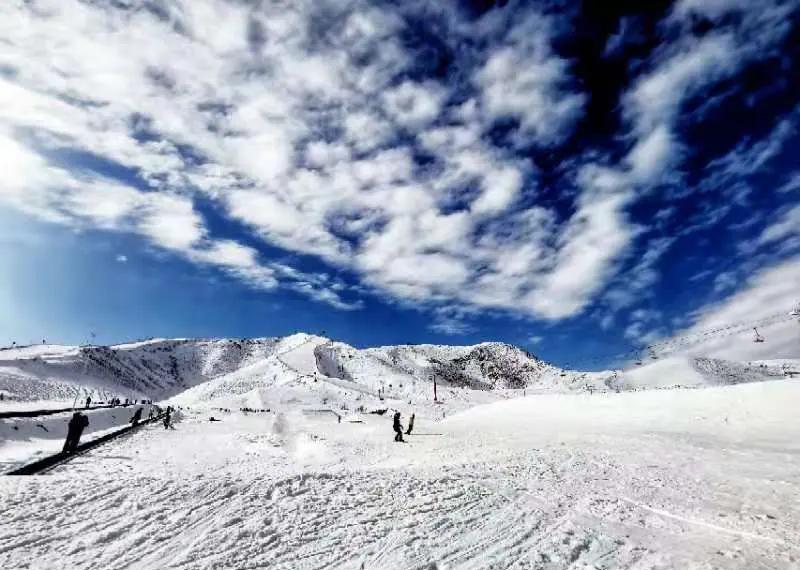
The spring window varies by latitude and altitude. Northern resorts near Beijing and Heping in Xinjiang often ski into March, while high-altitude areas in the Tian Shan can hold snow into April. The best time to ski in Xinjiang for spring corn snow is usually late February through March, after the coldest storms pass but before the base thins and exposed rocks appear.
Reading the Daily Snow Cycle
Spring snow follows a predictable rhythm: frozen and fast at open, softening to edgeable corn by mid-morning, and heavy or slushy by early afternoon. Plan demanding runs early and save gentle slopes for the warm hours. This cycle is gentler if you travelled with the right Xinjiang ski clothing layers to handle big temperature swings between a cold dawn and a hot midday.
Gear Adjustments for Soft Snow
Warmer conditions change how skis behave. Wax for warmer temperatures reduces drag in slush, and slightly softer boots improve feel on variable snow. Wider skis float better when the surface gets heavy, and a lighter goggle lens keeps contrast high on bright, reflective snow that can mask uneven terrain.
- Use warm-weather wax to avoid sticky, slow skis in the afternoon.
- Carry goggles with a lighter lens for bright, reflective spring snow.
- Pack high-SPF sun protection; UV bounces hard off spring corn.
- Choose wider skis for flotation in heavy afternoon slush.
- Bring a small daypack for shedding layers as the temperature climbs.
Best Regions for Late-Season Turns
Xinjiang’s altitude keeps its resorts skiable longest, while northeastern hills offer chilly but reliable spring mornings. Many travellers combine a Xinjiang night skiing session with a dawn spring run for a full-day experience that few other regions can match. Southern indoor slopes extend the season year-round for families who want to practice between trips.
Skip the Lift Lines
Spring draws fewer crowds, but popular weekends still build queues. A smart China ski lift pass plan lets you target first chairs and beat the soft-snow slowdown. Arriving at opening also grabs the best corn before it turns to mush and the queues build.
Spring Skiing with Family
Late season is ideal for families because the weather is kinder and the mood is relaxed. Book lessons early in the day, keep rest breaks in the warm sun, and choose resorts with easy beginner zones that stay open longest. Children tire faster in slush, so shorter, happier sessions beat long, cold ones.
Photography and Après Enjoyment
Spring light is the most photogenic of the season, with golden mornings and deep blue skies. Mount your camera before the first run, and savour the outdoor decks and barbecues that many resorts open only when the weather warms. These small pleasures are why regulars rate spring above peak powder for pure enjoyment.
Staying Safe as the Snow Softens
Spring hazards differ from midwinter. Meltwater opens hidden holes, cornices sag, and wet slabs become possible on sunny slopes. Keep to marked runs when temperatures spike, and respect closure ropes that protect thinning snow bridges. Pair this with the discipline described in our Xinjiang off-piste safety guide if you venture beyond the boundary during the unstable afternoon window.
Packing for a Spring Trip
Spring packing is a balancing act between warmth and ventilation. Bring a waterproof shell, a light insulating layer, and a breathable base, then add sunblock, lip balm, and a spare goggle lens for the bright glare. A small backpack lets you shed and stow layers as the day swings from frosty morning to hot afternoon, keeping you comfortable from first chair to last run without a dash back to the locker.
Dealing with Slush and Heavy Snow
When the surface turns to mashed potato, widen your stance, keep your weight centred, and let the skis float rather than carving hard. Warm-weather wax is the single biggest fix for slow, sticky skis, and taking a midday break lets the slush settle while you rest. Patience beats force on heavy snow, and relaxed legs tire far less than fighting the mush hour after hour in the afternoon sun.
Nutrition and Hydration in Warm Weather
Skiers underestimate how much fluid they lose on a sunny spring day. Carry water, sip often, and eat regular snacks to keep energy steady when the warmth lulls you into skipping breaks. Dehydration sneaks up fast on the snow and slows reactions exactly when soft, tricky terrain demands your full attention and a clear head for judgement.
Transitioning from Winter to Spring Technique
Spring snow rewards a different stance than hard groomers. Stay centred, soften your edges slightly, and let the ski smear through slush rather than fighting for a clean carve. Practising this looser style on easy slopes first builds confidence before you take it into the bumpier, heavier afternoon snow where rigid technique leads to tired, skittery legs and frustrated, shortened sessions on the hill.
Spring Ski Events and Festivals
Many Chinese resorts schedule closing parties, pond-skimming contests, and music weekends in the late season. These events turn a normal ski day into a celebration and are excellent for meeting local riders who know the hidden gems. Check the resort calendar before you book, because a well-timed visit can deliver both great corn snow and a memorable après-ski atmosphere that peak winter rarely matches for pure relaxed fun.
Frequently Asked Questions
Is spring skiing good for beginners?
Yes. Softer snow is forgiving and warm weather makes learning pleasant. Take a lesson early in the day when the surface is still firm and edges bite, then enjoy the sun during breaks.
What should I wear for spring skiing?
Lighter layers than midwinter, plus sunblock and goggles with a bright-light lens. Peel layers as it warms and keep a shell for sudden wind, because mountain weather still turns quickly.
Which Chinese resorts ski latest into the season?
High-altitude Xinjiang resorts and a few northeastern areas often run into March or April, while indoor slopes operate all year for practice and warm-up sessions.
Why is my ski slow in the afternoon?
Warm snow is sticky. Apply warm-weather wax and avoid the slushiest hours by skiing early and resting mid-afternoon, when the surface is heaviest and most tiring.
Are spring lift tickets cheaper?
Late-season and weekday passes are frequently discounted, and smaller crowds make the value even better than peak winter, especially for families skiing multiple days.
Booking Tips and Late-Season Deals
Spring is the cheapest time to ski in China if you book midweek and avoid holiday weekends. Many resorts bundle lodging, lessons, and lift access at prices well below peak winter, and rental shops often discount last-season equipment. Compare multi-day passes, watch for closing-weekend promotions, and reserve lessons early because instructor slots fill even as crowds thin. A little planning stretches a spring ski budget surprisingly far across several sunny days.
Can I ski spring corn every day?
Not reliably. Warm spells melt the base fast, and a sudden cold snap can refreeze the surface into bulletproof ice at dawn. Watch the forecast, ski early, and treat each spring day as its own condition rather than assuming yesterday’s snow simply returns untouched for another run.