

Freestyle terrain is one of the fastest-growing reasons visitors choose the high, dry snow of China’s northwest. A well-built Xinjiang ski terrain park turns a normal ski day into a playground of boxes, rails, and jumps where beginners and experts can progress at their own pace. This guide explains what these parks contain, how the colour-coded levels work, and how to ride them safely on your very first visit, so you leave the hill with new skills instead of a sore tailbone.
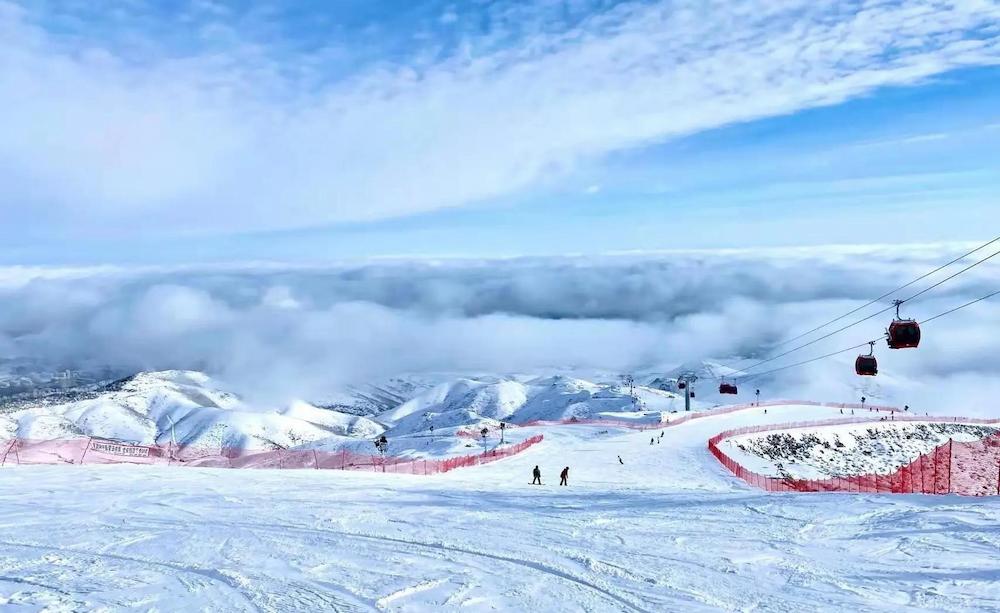
What You Will Find Inside a Xinjiang Terrain Park
Most Xinjiang ski resorts now maintain at least one dedicated freestyle area. The typical layout moves from small, forgiving features at the entry to larger, faster elements deeper in the line. Knowing the order helps you build confidence without skipping steps that matter for safety, and it prevents the classic mistake of attacking a big jump before your body understands the smaller ones.
Beginner Zones: Boxes and Small Rollers
The entry section usually holds wide, low boxes and gentle rollers. These let first-timers feel edge control on a slippery surface without the speed or consequences of a jump. A Xinjiang skiing guide will often point new freestyle riders straight to this zone before anything else, because success here translates directly into safer behaviour on harder features later in the day.
Progressive Jumps and Rails
Mid and upper zones introduce tabletop jumps, kicker lips, and metal rails. The takeoffs get faster and the landings longer, so the margin for error shrinks. Ride these only after the small features feel routine, and always watch a few riders complete a line before you commit your own speed to it.
- Wide boxes first — low consequence, great for balance and confidence.
- Roller lines teach rhythm, timing, and smooth weight shift.
- Small kickers build pop, air awareness, and clean landing posture.
- Rails demand commitment, patience, and precise edge control.
- Respect closed features; they are shut for grooming or safety reasons.
- Session one feature repeatedly rather than hopping between many.
How Terrain Park Difficulty Levels Work
Parks in the region follow a familiar green-blue-black logic, but the markers are often posted on the feature itself rather than the trail sign. The best time to ski in Xinjiang for park laps is usually a calm, cold morning when the snow is firm and predictable, reducing the chance of catching an unexpected soft lip that can throw off a takeoff.
Green: Intro Features
Green features are wide, short, and slow. They are designed so a cautious rider can traverse or hop across without real air. This is where every park career should start, and even confident groomed-slope skiers benefit from a few green laps before moving up.
Blue and Black: Speed and Air
Blue features add modest air and require a controlled takeoff. Black features are large, fast, and built for riders who already land cleanly on smaller setups. Do not let peer pressure push you up a level before your body is ready; the difference between blue and black is unforgiving once you are airborne.
Safety Habits That Prevent Injuries
Terrain parks concentrate risk because everyone is moving in the same direction at speed. A short Xinjiang ski beginner lesson on park etiquette pays off immediately, even for strong groomed-slope skiers who have never shared a feature line with a crowd of spinning, sliding riders.
- Look before you drop — make sure the landing is clear of people.
- One feature at a time; never stop or sit in the landing zone.
- Keep your first run a straight, no-trick inspection lap of the line.
- Wear a helmet and consider impact shorts for bigger features.
- Match speed to the feature; too slow is as bad as too fast here.
Where to Base Your Park Trip
Several resorts keep their parks open late into the season, and a few run Xinjiang night skiing with lit features for a completely different atmosphere. If you want to know where to ski in Xinjiang for freestyle, start with the larger resorts that advertise dedicated snowpark crews rather than a single small line tucked behind the beginner hill.
Progressing Without Burning Out
Learning tricks is mental as much as physical. Film yourself, watch one clean run, and isolate a single skill per session. Riders who try three new tricks at once usually ingrain bad habits, while those who master one movement before adding the next improve steadily and stay uninjured through the season.
Choosing the Right Gear for the Park
You do not need a special setup on day one, but a few choices help. Softer, more flexible boots make rail slides and box presses less punishing, and a detuned ski tip reduces the chance of catching an edge. As you progress, twin-tip skis let you ride and land switch comfortably, which opens up the majority of modern freestyle tricks without fighting your equipment.
Beyond skis, padded shorts and a back protector turn a hard slam into a laugh, and they let you try the feature again instead of quitting for the day. Goggles with a spare clear lens handle flat light on storm days, when terrain-park shadows disappear and the features get hard to read at speed. Small investments in protection pay for themselves the first time you case a landing and simply skate away.
Frequently Asked Questions
Do I need special skis for a terrain park?
Not at first. Twin-tip skis help once you ride switch and land backwards, but any well-tuned all-mountain ski works for boxes and small jumps. Upgrade only after you commit to freestyle regularly and find yourself limited by a directional shape that refuses to ride backwards cleanly.
Is terrain park skiing safe for kids?
Yes, in the green zone with supervision. Keep children on wide boxes and rollers, enforce the “no stopping in landings” rule, and make sure they have a helmet. Many families combine park time with lessons that build fundamentals before any feature gets complicated or fast.
What should I wear in the park?
A helmet is essential, and flexible, padded clothing reduces bruises on early attempts. Dress in layers so you can shed heat during repeated hiking and sessioning of a single feature, since park days involve far more standing and climbing than a normal cruise down the mountain with the chairlift.
How do I know if a feature is too hard for me?
If you cannot visualize a clean, slow-speed run through it, it is too hard. Watch three riders land it confidently before you try, and start from the smallest version of that feature type available rather than the most impressive one nearby that looks good in photos.
Can snowboarders use the same parks?
Absolutely. Terrain parks are built for both skis and boards. Snowboarders often favour rails and boxes, while skiers may prefer spin-friendly kickers, but the features are shared and the etiquette is identical for everyone waiting in the lift line.
When do parks usually close for the season?
It depends on snow, but most parks shrink their features as spring softens the snow, keeping only the most durable boxes. Check with the resort on arrival, since warm afternoons can close jumps temporarily for safety even when the rest of the mountain stays open for normal skiing.