

Backcountry and off-piste terrain rewards adventurous skiers with untouched powder, silence, and views that resort pistes can never offer. A well-planned Xinjiang skiing guide is the starting point, but the mountains around Altay and the Tian Shan demand specific safety habits. This article explains how to ski beyond the boundary ropes responsibly, what gear you need, and how to avoid the most common accidents that send untrained visitors into real danger.
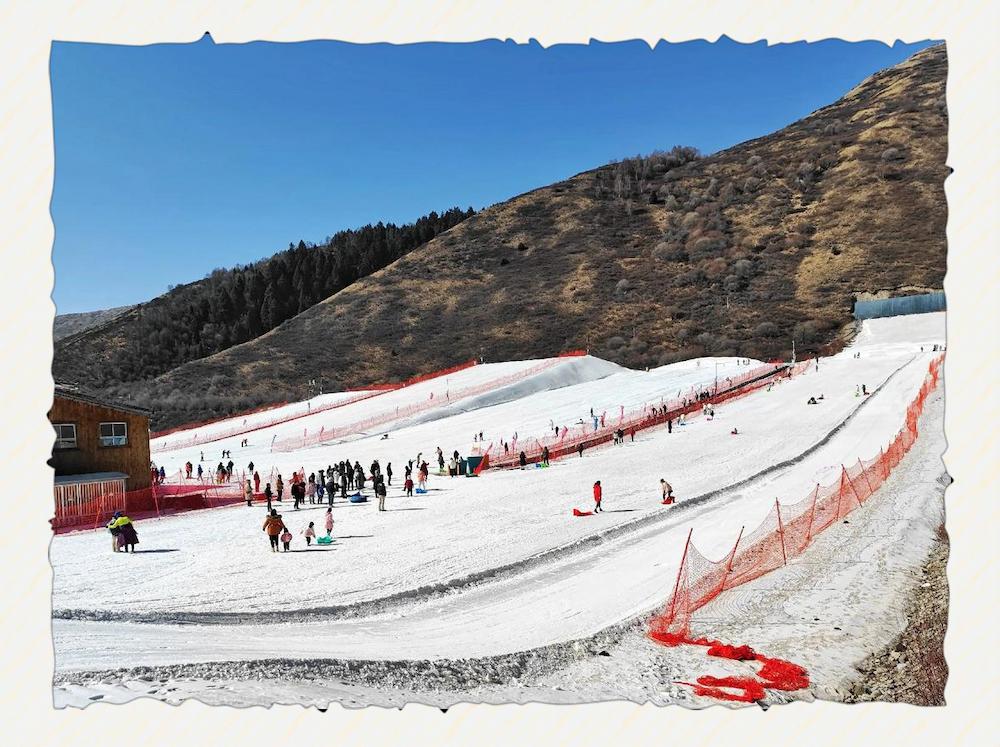
What Off-Piste Actually Means in Xinjiang
Off-piste refers to any slope that is not patrolled, groomed, or marked by the resort. In Xinjiang this includes the gladed areas above Xinjiang ski resorts, the sidecountry bowls reached from resort lifts, and true backcountry routes far from any cable car. The distinction matters because once you leave the marked area, you accept full responsibility for terrain, weather, and rescue, and the resort’s ski patrol is no longer watching over you.
Sidecountry vs Full Backcountry
Sidecountry is terrain you reach by ducking a rope at the resort boundary and can often return to via the same lift system. Full backcountry requires touring skis, skins, and a long walk in. Most visitors should treat sidecountry as their entry level, building skills before committing to multi-hour tours in remote Xinjiang ski areas where weather can close roads and erase tracks within minutes.
Essential Safety Gear Before You Leave the Boundary
No off-piste run is worth attempting without the three avalanche tools: a transceiver, a probe, and a shovel. In Xinjiang the snowpack builds rapidly after storms, and buried weak layers can release without warning. Carrying the gear is not enough; you must practice searching with your partners before you ever need it, because a transceiver nobody knows how to use is just dead weight in a pack.
- Avalanche transceiver worn against your base layer, not in your pack.
- 240 cm avalanche probe for deep, settled snow typical of Altay winters.
- Metal shovel with a telescoping handle for efficient digging in heavy snow.
- ABS airbag pack to stay on the surface during a slide and improve survival odds.
- Helmet rated for backcountry impacts and a two-way communication radio.
Recognising Avalanche Terrain
Most slides occur on slopes between 30 and 45 degrees, especially where wind has deposited extra snow on the lee side of a ridge. Learn to read the mountain before you commit: closed gullies funnel debris, convex rolls often fracture at the top, and terrain traps below cliffs turn a small slide into a fatal one. If you cannot identify a safe exit or an island of safety, the line is too advanced for the day.
Wind, Sun, and the Daily Hazard Cycle
Xinjiang’s continental climate produces cold, dry snow that can hide persistent weak layers for weeks. Check the local avalanche bulletin each morning and never trust a bluebird sky alone. Wind loading on lee slopes, sun crust on south faces, and rapid afternoon warming all change the hazard hour by hour, so a safe morning slope can become a dangerous one by early afternoon.
Partner System and Group Discipline
Never ski off-piste alone. Move one person at a time through avalanche terrain, keep visual contact, and agree on a rally point. A disciplined group that skis the right Xinjiang ski clothing layers for sudden weather changes will stay warmer and make better decisions than a cold, rushed one. Agree on signals, spacing, and a turnaround time before the first skin track.
Build Skills Before the Big Lines
Off-piste skiing is a skill, not a dare. Book a certified guide for your first tours and take an avalanche safety course. Solid Xinjiang ski beginner lessons on resort terrain will not cover crevasse rescue or snow science, so treat backcountry education as a separate discipline with its own progression and practice schedule throughout the season.
- Complete a one-day avalanche awareness class with a recognised provider.
- Ski with a qualified local guide for at least two full tours.
- Practice transceiver search drills monthly during the season with partners.
- Learn to assess slope angle, aspect, and vegetation cues in the field.
- Log every tour so you build judgement as conditions change week to week.
Physical Fitness and Acclimatisation
Off-piste days are longer and harder than resort laps. Altitude around the high Xinjiang ranges can sap strength and slow reaction time, so arrive a day early, hydrate well, and avoid alcohol the night before. Strong legs and steady breathing keep your decision-making sharp when the snow gets tricky and the light fades.
Emergency Plan and Rescue Reality
Rescue in Xinjiang’s remote ranges can take hours. Carry a fully charged satellite messenger, tell your hotel the route and return time, and know the nearest hospital. Cell coverage disappears minutes outside the resort. Pair this mindset with sensible spring skiing planning in China when the season shifts and snow becomes less stable, because warming snow brings its own wet-slab hazards.
Choosing a Certified Guide
Not all local companions are qualified backcountry leaders. Look for internationally recognised avalanche certification, current first-aid training, and intimate knowledge of the specific Xinjiang range you plan to ski. A good guide explains decisions aloud, sets conservative margins in doubtful conditions, and turns the group around without ego when the weather turns. Ask to see credentials and recent trip references before you commit your money and your safety to a stranger.
Group Size and Ratios
Small groups ski safer than large ones because the leader can watch every member and the search line stays tight if something goes wrong. Insist on a ratio that lets the guide keep eyes on the weakest skier, and never join a bargain tour that crams a dozen clients onto one rope and loses track of the terrain.
Communication and Leaving a Plan
Before any off-piste day, leave a written plan with your accommodation: the target zone, the intended line, the party size, and a hard return time. A satellite messenger lets you call for help when phones fail, but a plan lodged with a responsible person is what triggers the search if you simply do not come back. Update them when you change objectives, and never assume someone will notice you are missing by nightfall in the mountains.
Frequently Asked Questions
Do I need a guide to ski off-piste in Xinjiang?
For anything beyond simple sidecountry, yes. A certified guide knows the snowpack, the safe lines, and the fastest rescue path. First-time backcountry skiers should always hire one rather than learning the hard way.
Is avalanche gear enough to keep me safe?
No. Gear helps you survive a burial, but avoidance is the real safety tool. Training, daily bulletin checks, and conservative route choices prevent most accidents before they start, long before any shovel is needed.
When is off-piste snow most dangerous?
The 24 to 48 hours after a heavy storm, and warm spring afternoons when the surface melt loosens slabs. Both windows demand extra caution and lower terrain choices than you might pick on a cold, stable morning.
Can beginners try off-piste terrain?
Beginners should stay on resort pistes and take lessons first. Light sidecountry with a guide is the earliest responsible step, never a solo remote tour far from any help or phone signal.
What clothing works best off-piste?
Warm, breathable layering with a waterproof shell, because you will sweat on the climb and freeze on the descent. Always pack spares in your pack, since a soaked midlayer can become dangerous on a long return.