

Skiing in Xinjiang means big mountains, long transfers, cold temperatures, and remote valleys that are gloriously far from everything, including, unfortunately, major international hospitals. That combination makes travel insurance one of the smartest purchases of your entire trip, and also one of the easiest to get wrong. Many standard travel policies quietly exclude skiing altogether, and even ski-friendly policies vary wildly in how they treat off-piste runs, evacuation, and expensive gear. This guide explains exactly what a policy needs to cover for a trip to the slopes described in our complete Xinjiang skiing guide, how much it should cost, and how to actually make a claim if something goes wrong in China.
Why Standard Travel Insurance Is Not Enough
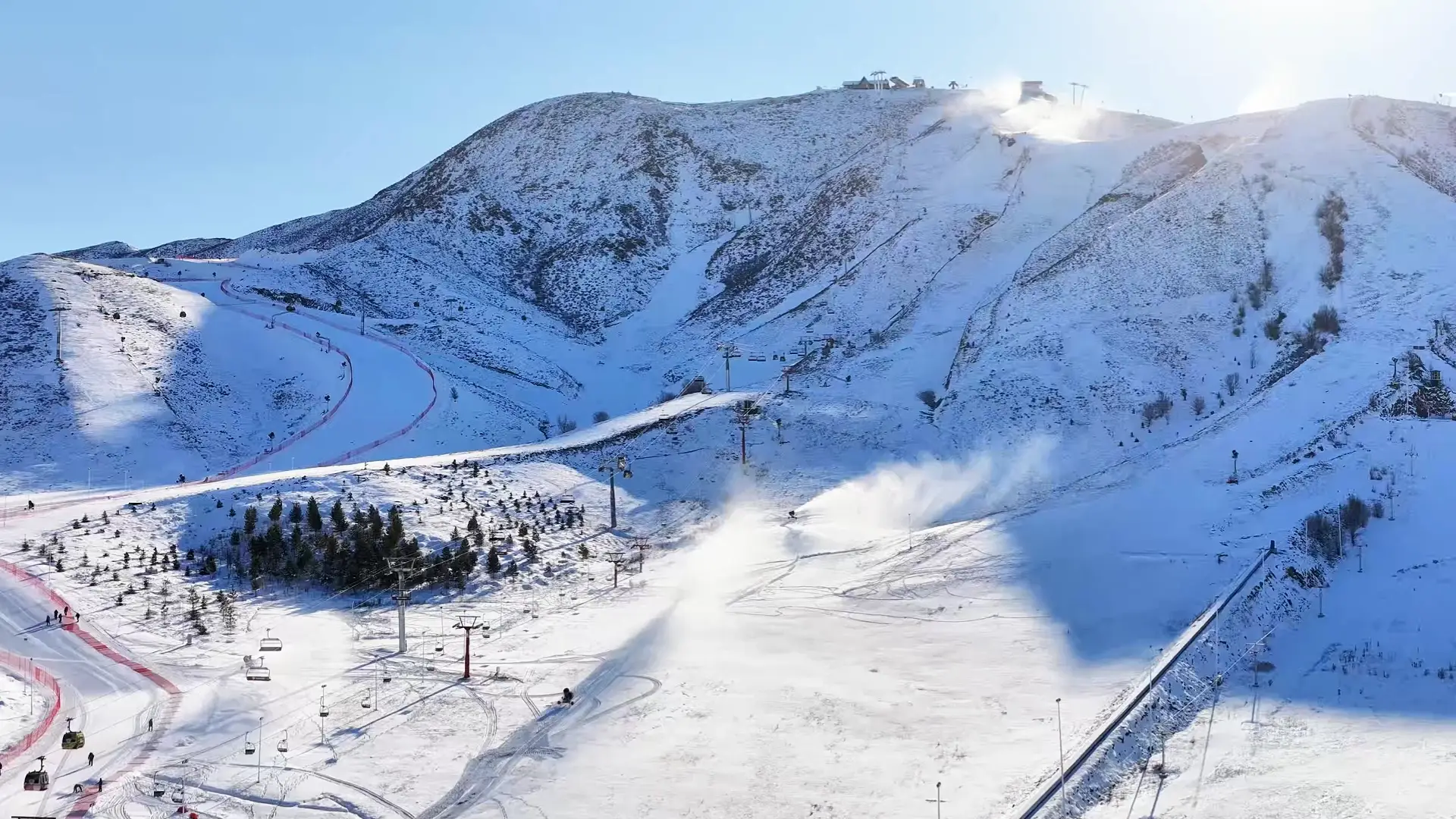
The single most common insurance mistake skiers make is assuming that any travel policy covers them on the mountain. In reality, most base-level policies classify downhill skiing as a hazardous activity and exclude it unless you buy a winter sports add-on or a dedicated ski policy. If you crash at Silk Road Resort with a basic policy and no winter sports rider, your medical bills, your rescue, and your cut-short holiday may all come out of your own pocket.
Xinjiang adds two further considerations. First, distance: the Altay ski areas are a ninety-minute flight or a long drive from Urumqi, and serious injuries may require transfer to a major hospital in Urumqi or even evacuation to Beijing, Seoul, or your home country. Second, cost structure: while everyday medical care in China is inexpensive by Western standards, international-standard private care and long-distance medical evacuation are not. An air ambulance across Asia can cost tens of thousands of dollars, which is precisely the kind of catastrophic expense insurance exists to absorb.
What Your Policy Must Cover
Emergency Medical and Evacuation
- At least 200,000 US dollars in emergency medical coverage, with one million preferred for full peace of mind.
- Medical evacuation and repatriation coverage of 500,000 dollars or more, explicitly including transport from remote regions.
- Coverage valid in mainland China, stated plainly in the policy wording rather than inferred.
- Direct billing or guaranteed payment arrangements with hospitals where possible, since Chinese hospitals typically require upfront payment.
Winter Sports Specifics
- On-piste skiing and snowboarding at licensed resorts, which covers the marked terrain at all major Xinjiang areas.
- Off-piste coverage if you plan to ride the ungroomed powder that makes Altay famous. Many insurers cover off-piste only within resort boundaries or only with a guide, so read this clause twice.
- Piste closure and lack-of-snow benefits, less critical in reliably snowy Altay but useful for early-season trips.
- Ski pass, lesson, and hire reimbursement if injury cuts your ski days short.
Gear, Delays, and the Rest of the Trip
Baggage clauses matter more on a ski trip than almost any other holiday, because you are flying with a bag full of expensive equipment through multiple connections. Look for equipment coverage of at least 1,500 dollars with a sensible single-item limit, protection for gear in transit, and rental reimbursement if your bag is delayed, which pairs well with the rental strategies in our renting a car for Xinjiang skiing. Trip cancellation and interruption coverage should at minimum match your prepaid, nonrefundable costs, which you can estimate accurately using our Xinjiang ski budget breakdown.
How Much Does Ski Insurance for China Cost?
For a ten-day trip, most travelers should expect to pay between four and eight percent of their total trip cost, or roughly 60 to 150 dollars per person for a solid mid-range policy with a winter sports rider. Premium policies with high evacuation limits, off-piste coverage, and generous gear protection may run 150 to 250 dollars. Annual multi-trip policies with winter sports coverage often make sense above two trips per year and typically cost 200 to 400 dollars. These numbers are small compared with the flights, hotels, and lift tickets itemized in a typical Xinjiang trip budget, and microscopic compared with an uninsured evacuation.
Choosing and Buying the Right Policy
- Confirm the policy explicitly covers mainland China. A few insurers restrict or surcharge China coverage, and some exclude it from otherwise global plans.
- Add the winter sports rider at purchase time. It usually cannot be added after departure.
- Declare pre-existing medical conditions honestly. Nondisclosure is the most common reason winter claims are denied.
- Check the altitude clause. Xinjiang resorts top out well below 3,300 meters, so standard altitude limits are rarely an issue, but confirm if you plan side trips.
- Buy soon after booking flights. Cancellation coverage only protects bookings made before events force a change of plans.
- Save digital and printed copies of your policy certificate and the insurer’s 24-hour emergency number, and share them with a travel companion.
Making a Claim From China
If you are injured, contact your insurer’s emergency assistance line as early as practical, ideally before non-urgent treatment, because insurers can direct you to approved hospitals and open a case file that smooths everything afterward. Keep every receipt, including pharmacy purchases, taxi rides to clinics, and accommodation changes. Ask the hospital for an official invoice, called a fapiao, plus a written diagnosis; both are standard requests and essential for claims. Photograph everything as backup. Note that access to some international websites in China is restricted, so download your insurer’s app and documents before arrival and consider how you will reach the assistance line; international roaming or a hotel phone works when internet options do not.
For gear claims, airlines must document damaged or delayed baggage with a report at the airport, so never leave the arrivals hall without one. For theft claims, a local police report filed within twenty-four hours is usually mandatory.
Insurance Strategy for Different Trip Styles
A first-time visitor spending a week on groomed runs near Urumqi needs a straightforward winter sports policy with strong medical and evacuation limits. Powder hunters heading for Altay tree runs should prioritize genuine off-piste coverage and higher evacuation limits, given the remoteness. Travelers combining Xinjiang with other regions on the itineraries in our China skiing guide should verify multi-city coverage and adequate trip duration. Whichever profile fits you, cross-check entry requirements early using our China visa for Xinjiang skiing guide, since visa timing and insurance purchase dates both work best when handled weeks before departure. Finally, compare resort choices and their distances from hospitals in our overview of Xinjiang ski resorts when weighing how much evacuation coverage you really need.
Frequently Asked Questions
Is travel insurance legally required to visit China?
No, tourist visas and visa-free entry do not require proof of insurance. It remains strongly recommended for any ski trip because you bear full financial responsibility for medical care and evacuation without it.
Does regular travel insurance cover skiing in Xinjiang?
Usually not. Most standard policies exclude downhill skiing unless you add a winter sports rider or buy a dedicated ski policy. Always confirm the winter sports clause before purchase.
Will my policy cover off-piste skiing in Altay?
Only if it says so. Insurers commonly limit off-piste coverage to within resort boundaries or require a professional guide. If you plan to chase untracked powder, choose a policy with explicit off-piste wording.
Can I buy insurance after arriving in China?
A few insurers sell policies after departure, but coverage is narrower and cancellation protection is lost. Buying before you leave home is cheaper and far more comprehensive.
How do I pay hospital bills in Xinjiang?
Chinese hospitals generally require payment at the time of treatment, by card, mobile payment, or cash. Your insurer reimburses you afterward, or arranges direct payment for major cases through its assistance company.