

Filming powder turns from above has become one of the most tempting parts of a modern ski trip, and few places on Earth look better on camera than the snow-draped peaks of the Altai and Tianshan mountains. But before you unfold those propellers, it pays to understand exactly where, when, and how you can legally and courteously fly a drone in Xinjiang. China has some of the strictest airspace rules in the world, and a resort powder morning can turn into a very bad day if you launch in the wrong spot. This guide walks foreign skiers through registration, no-fly zones, resort policies, weather challenges, and the unwritten etiquette that keeps you welcome on the slopes.
If this is your first winter trip to the region, start with our broader Xinjiang skiing guide to understand the lay of the land, then come back here to plan your aerial footage.
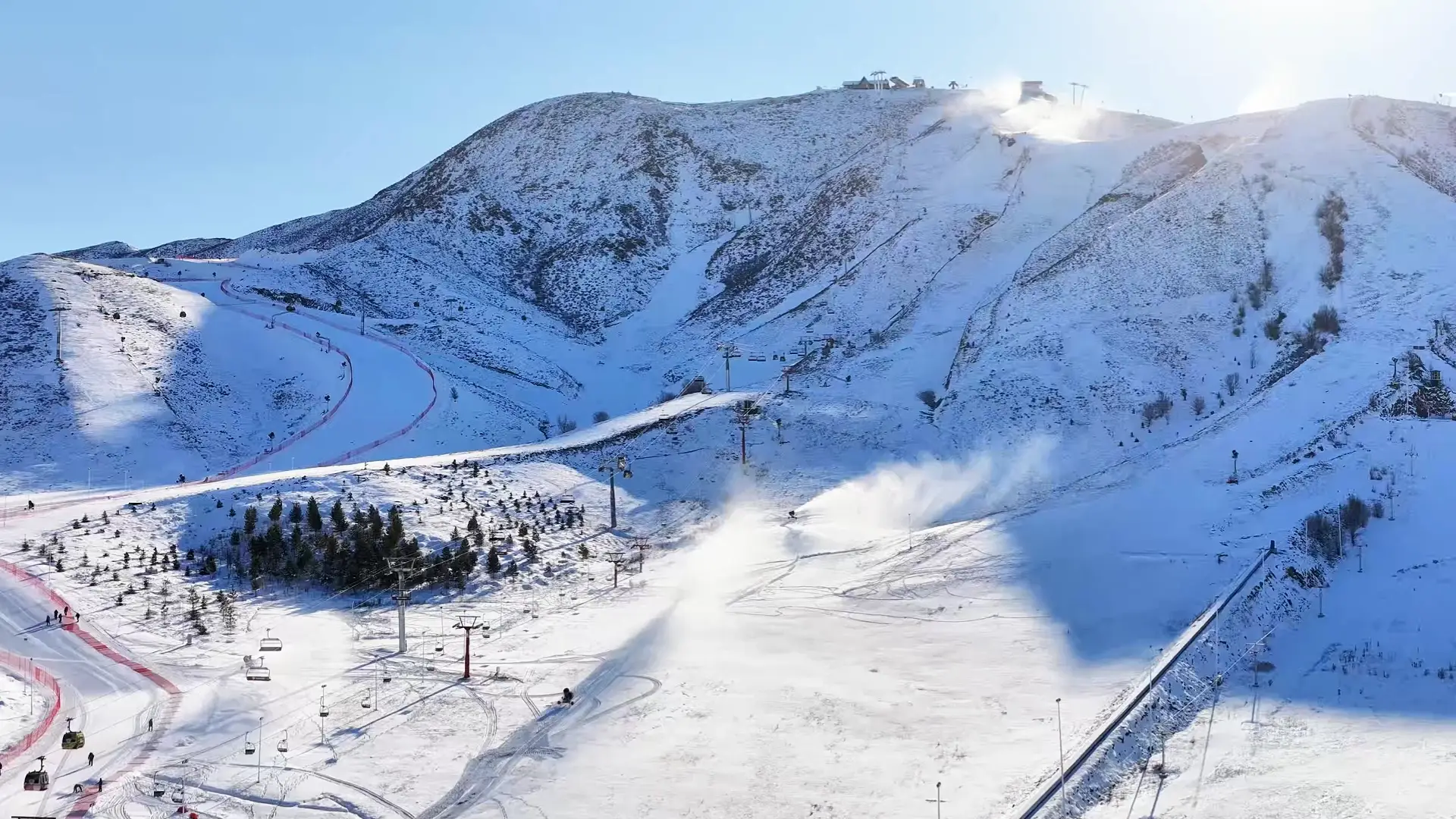
Is It Legal to Fly a Drone in Xinjiang?
Yes, recreational drone flying is legal in China, including Xinjiang, but it is tightly regulated. The Civil Aviation Administration of China (CAAC) requires that most consumer drones be registered, and the rules apply to foreign visitors just as they do to residents. The short version: register your aircraft, keep it light and low, stay away from restricted areas, and always maintain visual line of sight.
Because Xinjiang is a border region with significant military and infrastructure sensitivity, enforcement here tends to be more rigorous than in eastern China. Do not assume that a rule you bent elsewhere will be tolerated near the slopes. When in doubt, ask a resort staff member or local guide before you fly.
Registering Your Drone
Any drone weighing more than 250 grams must be registered with the CAAC through the official UAS registration system. Registration is free and can be completed online, but the interface is primarily in Chinese, so many visitors ask a bilingual guide or their hotel for help. You will need your passport details and the drone’s serial number. Once registered, you should print or save the registration label and, ideally, affix the registration number to the aircraft itself.
Weight Classes That Matter
Sub-250-gram drones, such as the popular DJI Mini series, face lighter requirements and are the smart choice for travelers who want to minimize paperwork. Heavier drones trigger stricter rules on altitude, distance, and pilot certification. For casual ski filming, a lightweight foldable drone is almost always the better tool.
No-Fly Zones You Must Respect
Some of the most scenic ski destinations sit uncomfortably close to sensitive airspace. Before every flight, check a current no-fly map inside your drone’s app; DJI and other major manufacturers geofence many restricted areas automatically and will refuse to take off there.
- Airports and airstrips. Urumqi, Altay, and Kanas all have airports with generous exclusion radii. Skiers flying near resorts within these radii may be blocked entirely.
- Border areas. Xinjiang shares borders with several countries, and northern resorts near the Altai can fall inside sensitive zones. Never fly toward a border.
- Military and government facilities. These are absolute no-fly areas, and they are not always marked. Local advice is essential.
- Nature reserve cores. Parts of Kanas and other protected areas restrict drones to preserve wildlife and visitor experience.
When you research where to ski in Xinjiang, note the proximity of each resort to airports and reserves so you can plan realistic filming spots ahead of time.
Resort Drone Policies
Even where national law permits flight, individual resorts set their own rules, and they are increasingly cautious. Silk Road, Jiangjunshan, and other developed resorts often prohibit flying over lift lines, groomed pistes during operating hours, and crowded base areas for obvious safety reasons. A falling drone above a packed beginner slope is a serious hazard.
Most resorts are far more relaxed about early-morning flights before the lifts spin, or filming from the edges of the resort away from crowds. Some larger resorts require a permit or a small fee for commercial-looking equipment. If you are producing content for a channel or client, declare it; being upfront prevents your gear from being confiscated. For a sense of which resorts are the most drone-friendly and camera-ready, browse our overview of the top Xinjiang ski resorts.
Flying in Cold and High-Altitude Conditions
Xinjiang winters are brutally cold, and cold is the enemy of lithium batteries. Expect flight times to drop by a third or more when temperatures dip well below freezing. Keep spare batteries in an inside pocket close to your body, and let the drone hover for thirty seconds to warm up before pushing it hard.
Battery and Gear Tips
- Pre-warm batteries to room temperature before launch.
- Land with plenty of charge to spare; cold batteries can drop voltage suddenly.
- Bring more batteries than you think you need, and cycle them quickly.
- Watch for condensation when moving gear from cold air into a warm lodge.
Wind and Altitude
Mountain valleys funnel wind, and gusts near ridgelines can overpower small drones. High altitude also reduces propeller efficiency, so your aircraft works harder to stay aloft. Fly conservatively, keep the drone close, and never chase a shot into terrain you cannot recover from. If you are heading into ungroomed terrain to film, read our notes on backcountry powder skiing in Xinjiang first so you understand the safety context.
Etiquette on the Slopes
Legal flying is only half the story. Good etiquette keeps drones welcome for everyone who comes after you.
- Never fly over people. Skiers, snowboarders, and lift passengers should never be directly beneath your aircraft.
- Respect privacy. Do not hover over other guests, hotel windows, or private property.
- Mind the noise. A buzzing drone ruins the alpine quiet others came for. Keep flights short and purposeful.
- Yield to the mountain. Wildlife, especially in reserve areas, should never be pursued or startled.
- Ask first. A quick word with resort staff builds goodwill and often reveals the best legal spots.
Timing matters too. The best light and the emptiest slopes usually come early, which also happens to be the safest window for flying. Check our advice on the best time to ski Xinjiang to line up bluebird mornings with fresh snow.
Practical Pre-Flight Checklist
- Confirm your drone is registered with the CAAC.
- Check the in-app no-fly map for your exact location.
- Confirm the resort permits flight in that area and time.
- Warm your batteries and inspect propellers for cold-related brittleness.
- Scan for people, lifts, and wildlife before takeoff.
- Keep the aircraft in visual line of sight at all times.
Frequently Asked Questions
Do I need to register a small travel drone in Xinjiang?
Any drone over 250 grams must be registered with the CAAC. Sub-250-gram models face lighter rules, which is why many travelers choose them, but you should still follow all local no-fly and etiquette guidelines.
Can I fly a drone over the ski slopes during the day?
Most resorts prohibit flying over active pistes, lift lines, and crowded base areas during operating hours. Early mornings before the lifts open, and areas away from crowds, are usually your best and safest options.
Are drones allowed near Kanas and Altai resorts?
These northern areas are close to borders and nature reserves, so restrictions are common and sometimes absolute. Always check the current no-fly map and ask local guides before attempting any flight in the far north.
How does the cold affect my drone?
Extreme cold sharply reduces battery life and can cause sudden voltage drops. Keep batteries warm, land with a safety margin, and expect noticeably shorter flight times than the manufacturer advertises.
What happens if I break the rules?
Penalties can range from confiscation of your equipment to fines and detention, and enforcement in this border region is strict. When you are unsure, do not fly until you have confirmed the rules locally.