

The question I get most from first-time visitors is not which resort, but when: the best time to visit Xinjiang ski resorts depends on whether you chase powder, hate crowds, or need mild weather. This month-by-month guide is built from several winters on both the Altai and Tianshan hills, and it maps exactly when each cluster opens, when the snow peaks, and which weeks to avoid. Start from the Xinjiang Ski Resorts directory to see the hills involved, then use the snow quality comparison alongside this for the hard numbers on base depth. For the deepest caches, the Cocoa Tuohai review and the Tianchi review show how two very different hills handle the season — and the best powder ski resort in Xinjiang comparison points to where the snow lands.
The Season at a Glance
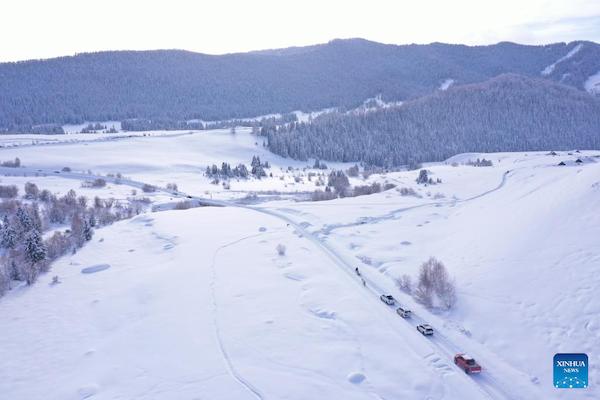
Most Xinjiang resorts open in late November or early December and run into late March or early April, but the calendar is not uniform across the region:
- Late Nov – early Dec: openings begin; snow base still building at lower resorts. Cheap and quiet.
- Mid-Dec – late Dec: snow solidifies; calm before domestic New Year crowds.
- January: peak powder. Cold (often minus 20 to minus 30 in the Altai) with frequent bluebird days.
- February: still deep snow, slightly milder — the prime month overall.
- March: softening snow, longer days, fewer crowds — great for families.
- Early April: spring skiing; higher resorts only; lower ones close.
Altai vs Tianshan: Different Clocks
The two clusters do not open and close on the same schedule. The Altai (Cocoa Tuohai, Jiangjunshan, Hemu) sits colder and higher, so it holds snow longest and delivers the deepest natural base — its best window is January and February. The Tianshan resorts around Urumqi open a touch earlier and lean on snowmaking, so they are more reliable in a thin-snow week but rarely match Altai powder. If you want the widest choice across both clusters, February is the safest bet; it is also the month I send friends who can only come once.
Month-by-Month Detail
November is for deal-hunters and locals — openings are tentative and cover thin. December is when the season properly begins: by mid-month the higher Altai slopes hold real depth, and the Tianshan hills are open on snowmaking. January is the powder month but also the cold month; ski the Altai in early January and expect minus-30 mornings, so dress for it. February is the sweet spot — deep base, more forgiving temperatures, and the lull between Chinese New Year and spring crowds. March is the sleeper gem: still plenty of snow up high, far warmer, almost empty midweek. April is for the highest resorts and a spring-ski mindset, not for first-timers banking on a full mountain.
Snow Quality Through the Year
Because the Altai stays colder, its snow stays drier and lighter deeper into the spring than the Tianshan, where warmer spells can crust the surface. The snow quality comparison tracks this by hill, but the simple rule holds: for the lightest powder, January–February in the north; for the easiest soft-snow cruising, March in either cluster. Snowmaking keeps the Tianshan skiable even when nature is stingy, which is why Urumqi hills are the lower-risk choice in a weird-weather year.
Crowds and Pricing by Month
Prices and queues track the calendar tightly. The cheapest flights and rooms are in November and March; the most expensive straddle Chinese New Year (date moves, usually January or February) — the biggest crowds and highest prices of the year. Resorts are rarely overwhelmed except the Tianshan flagships on weekend peak-season days; ski midweek and you will often have a run to yourself even in February. The last two weeks of January, outside any holiday, are the secret sweet spot locals use for empty slopes and cold, clear powder.
Weather You Should Expect
Xinjiang ski weather is continental: very dry, very sunny, and very cold at night — and that dryness is exactly why the powder is so light. Urumqi sits around minus 15°C in January; the Altai can hit minus 30°C on clear nights. The south and lower valleys are milder. Pack real cold-weather gear, keep camera batteries warm, and the dry cold becomes far more comfortable than a damp alpine freeze. A built-in rest or travel buffer also absorbs the occasional Siberian storm that brings brief lift closures on exposed ridges.
Matching the Month to Your Trip
- Powder hunter: late January – February, head to the Altai powder resorts.
- Budget skier: late November or March for the lowest prices.
- Family: February half-term or March for milder days and softer snow.
- First-timer: December or March, when weather is forgiving and beginner slopes are in shape.
- Photographer: February for bluebird skies and the deepest, whitest backdrop.
Booking Windows
Flights into Urumqi and Altay book up around the holidays, so lock travel two to three months ahead if you must travel in peak weeks; for November, March, or the late-January lull you can often book closer in. Resort lodging near the Tianshan is plentiful; Altai beds (especially at Cocoa Tuohai and Hemu) are limited, so reserve early regardless of month. The takeaway is to let the month decide the cluster, then build the rest of the plan around it rather than the other way round.
Late-Season Spring Skiing
If you visit in March or early April, adjust your expectations and your routine. The snow softens by late morning, so the best skiing moves to the first few hours after lifts open; save the warm afternoons for a lake visit, a hot spring, or a transfer day. Higher resorts hold the best spring cover, while lower Tianshan hills may close by early April, so pick your hill by altitude late in the season. Spring skiing in Xinjiang is milder, sunnier, and emptier than mid-winter, which makes it ideal for families and first-timers who would rather not battle minus-20 air. Pack a shell and a mid-layer rather than full expedition gear, and you will find the tail of the season surprisingly pleasant.
Pairing the Month with the Cluster
A simple rule resolves most planning debates: cold-tolerant powder hunters should target January and February in the Altai, while everyone else gets more from the Tianshan’s reliability and the March shoulder. If you have two regions in mind, ski the northeast or Beijing in December, then fly west for Xinjiang’s deep winter as the north gets busy. The clusters reward different months, so let the calendar choose the hill rather than the other way round, and you will almost always ski better snow than a random February week would suggest.
Frequently Asked Questions
What is the snowiest month at Xinjiang resorts?
January and February deliver the deepest, most reliable base across both the Altai and Tianshan clusters.
Is December too early to visit?
Not too early, but snow cover is still building at lower resorts; higher Altai slopes are usually fine by mid-December.
Can you ski the resorts in March?
Yes — March is excellent for families and softer snow, though the highest resorts are your best bet late in the month.
Does the Altai or Tianshan have a longer season?
The Altai generally holds snow longer because it stays colder; the Tianshan opens earlier thanks to snowmaking.
Is Chinese New Year a good time to visit?
Only if you book early and accept crowds and higher prices; the weeks immediately before or after are far calmer and better value.